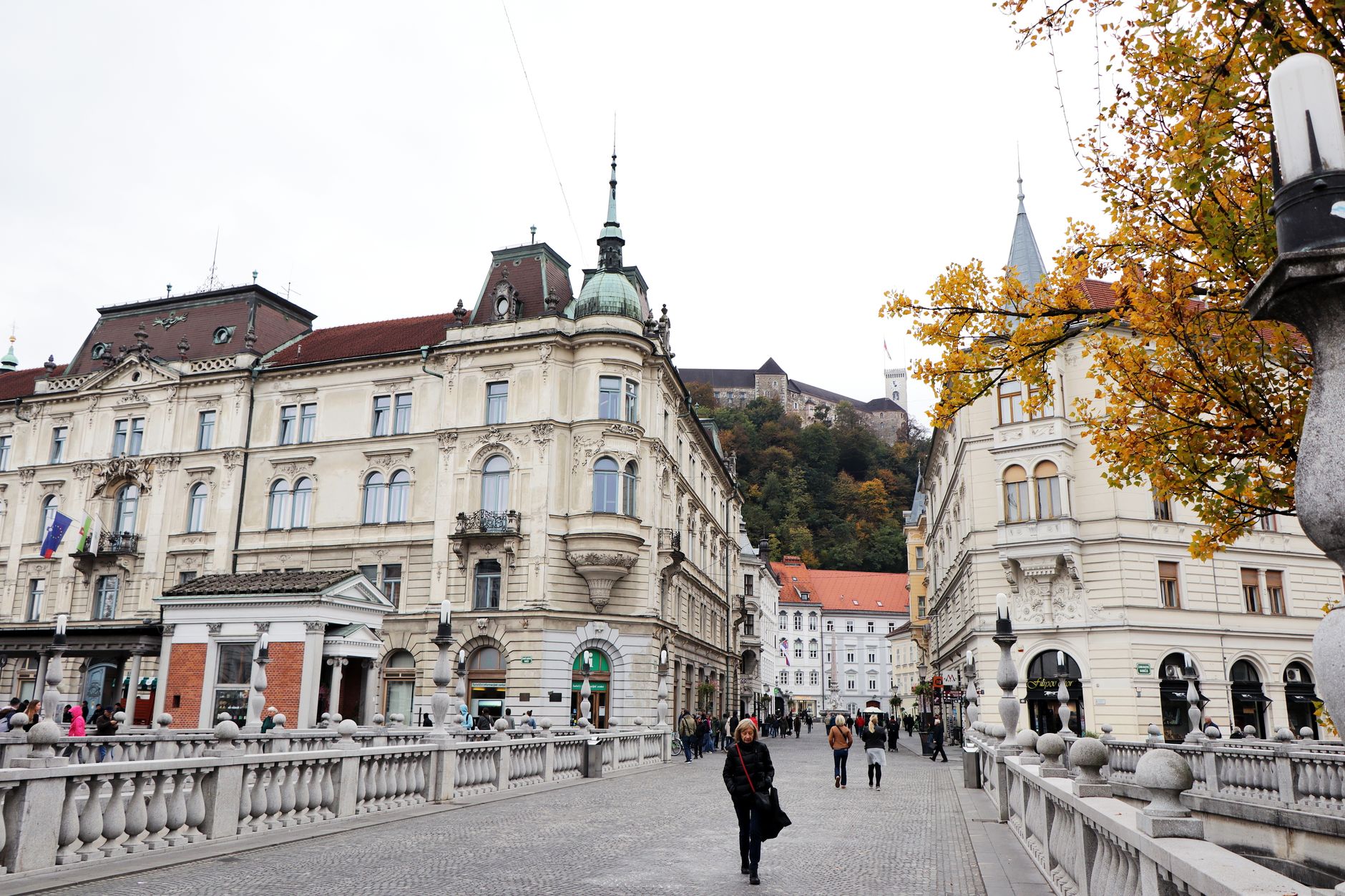
Ljubljana Charges Nothing to Be There, and That Changes How You Move Through It
Slovenia's capital is one of the few European cities where the best things to do are genuinely, structurally free.
Read more →Explore the world, one story at a time
41 posts
Slovenia's capital is one of the few European cities where the best things to do are genuinely, structurally free.
Read more →
Tourists stack up along the Douro and in Ribeira. The Porto worth knowing is further west, past the centre.
Read more →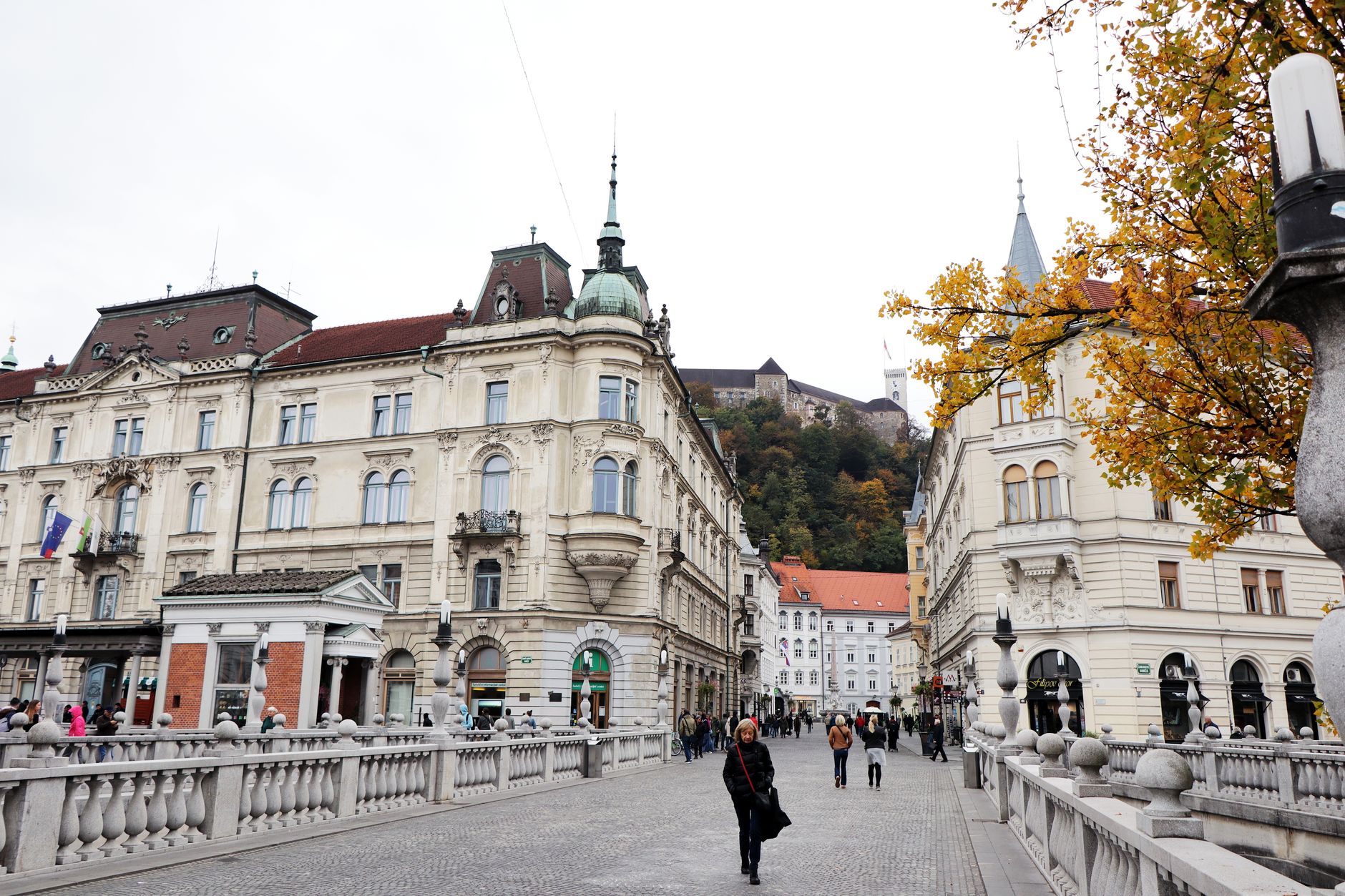
Most visitors treat Ljubljana as a stopover between Vienna and Zagreb. That's a mistake you'll notice the moment you slow down.
Read more →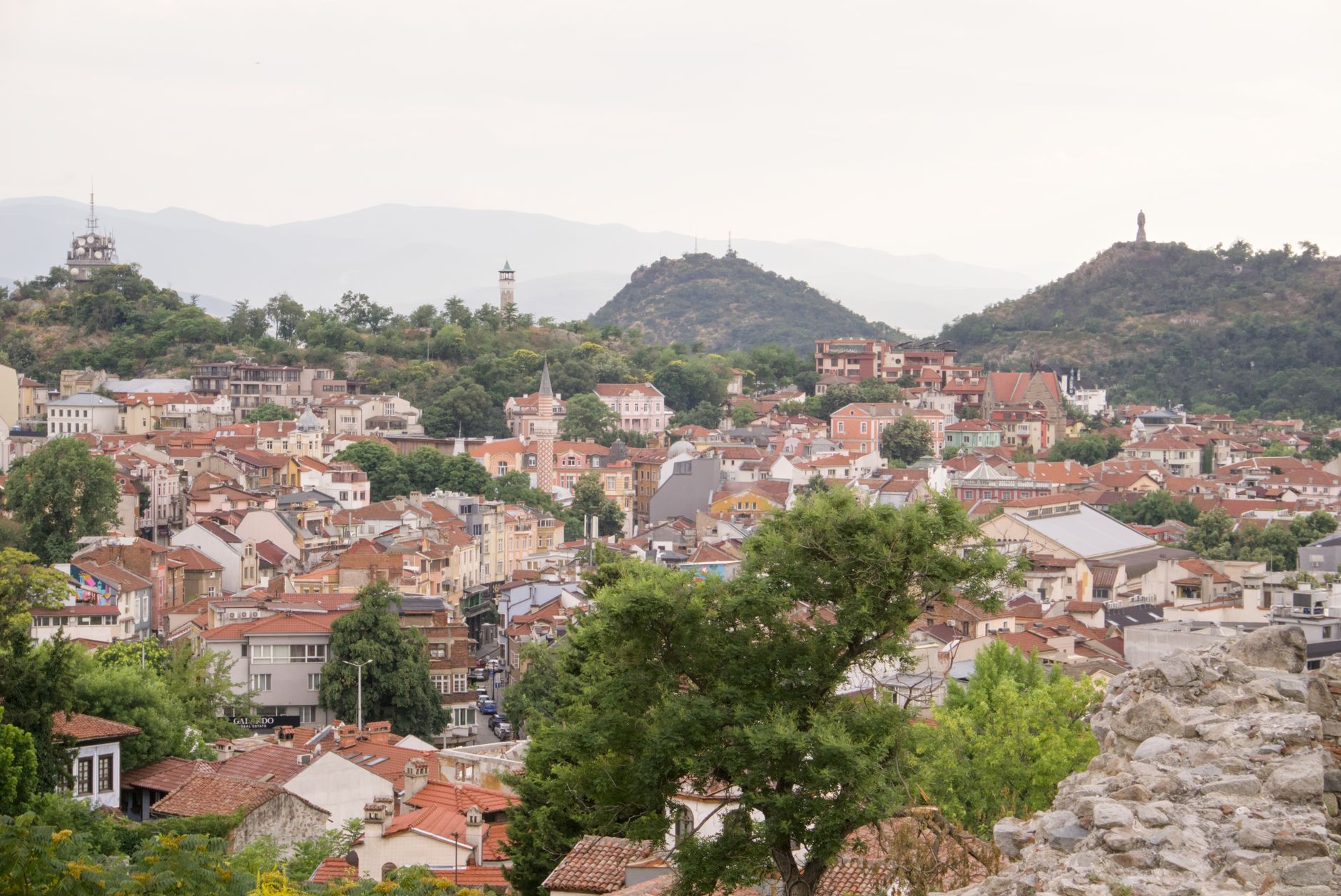
Bulgaria's second city gets overlooked for Sofia, but Plovdiv's Roman hills and Ottoman houses are lived-in, not roped off.
Read more →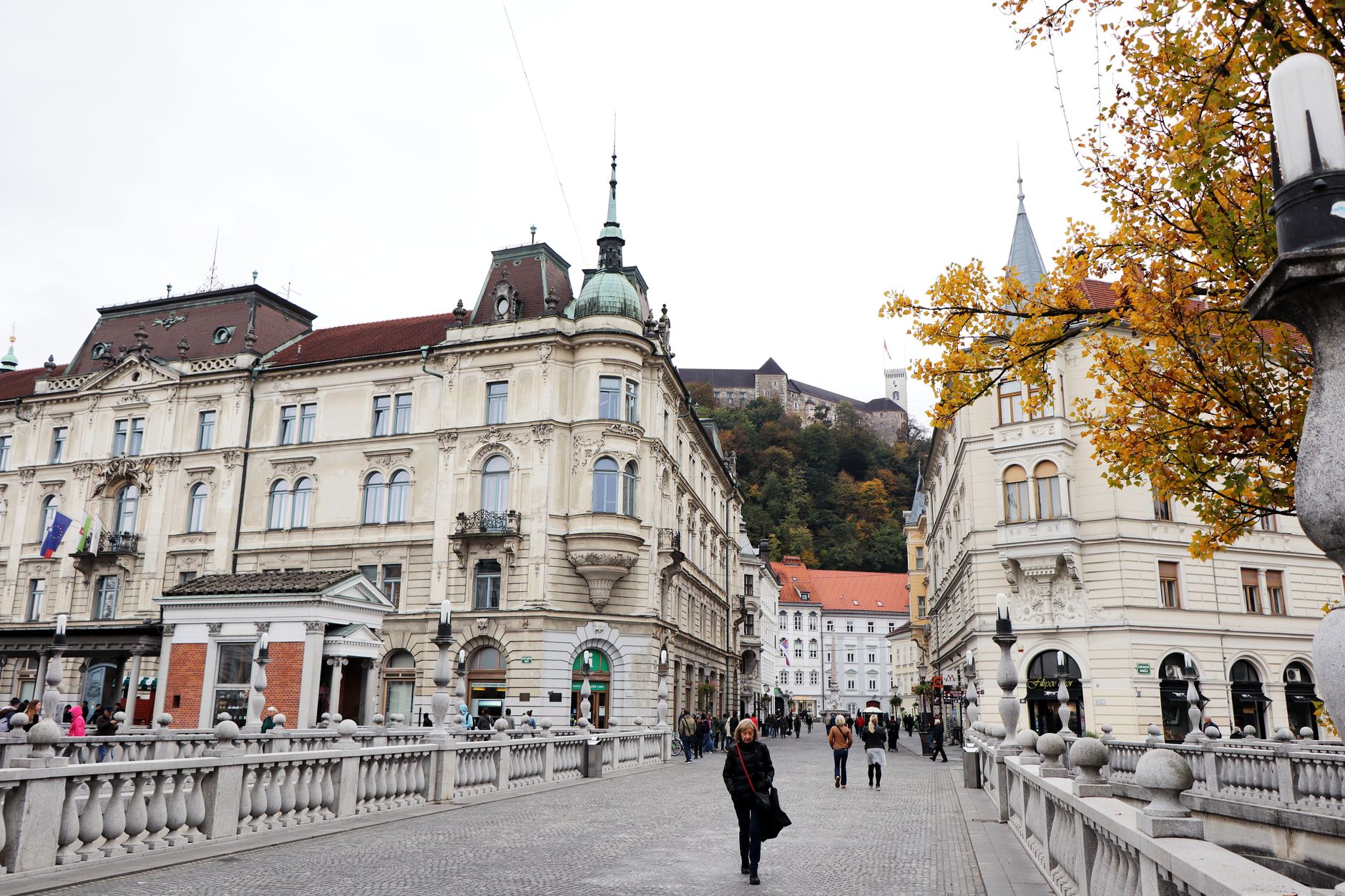
Travellers treat Ljubljana as a stopover between Vienna and Zagreb. That's a mistake the city is quietly fine with.
Read more →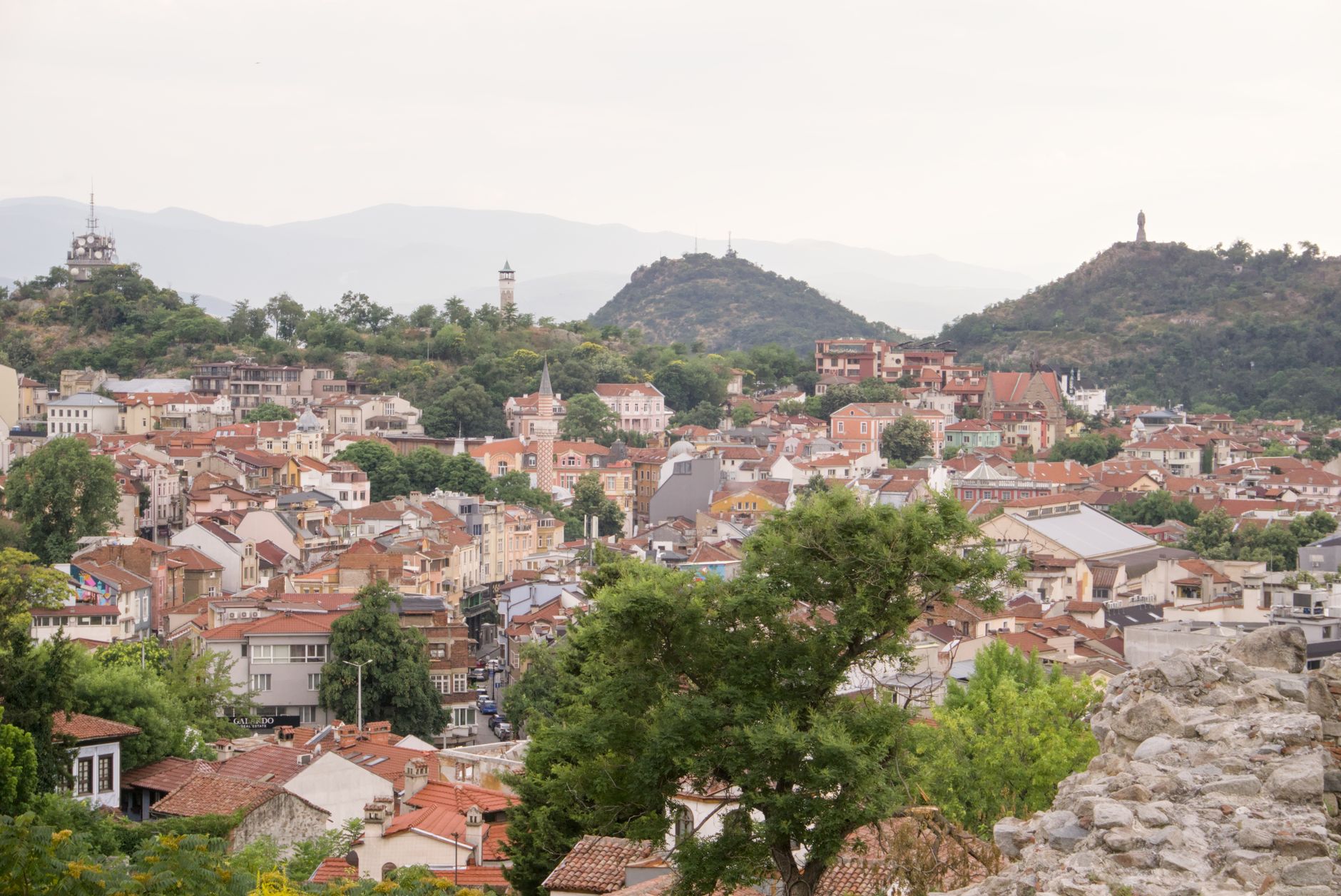
Bulgaria's second city keeps a lower profile than its capital - and that's exactly why it works.
Read more →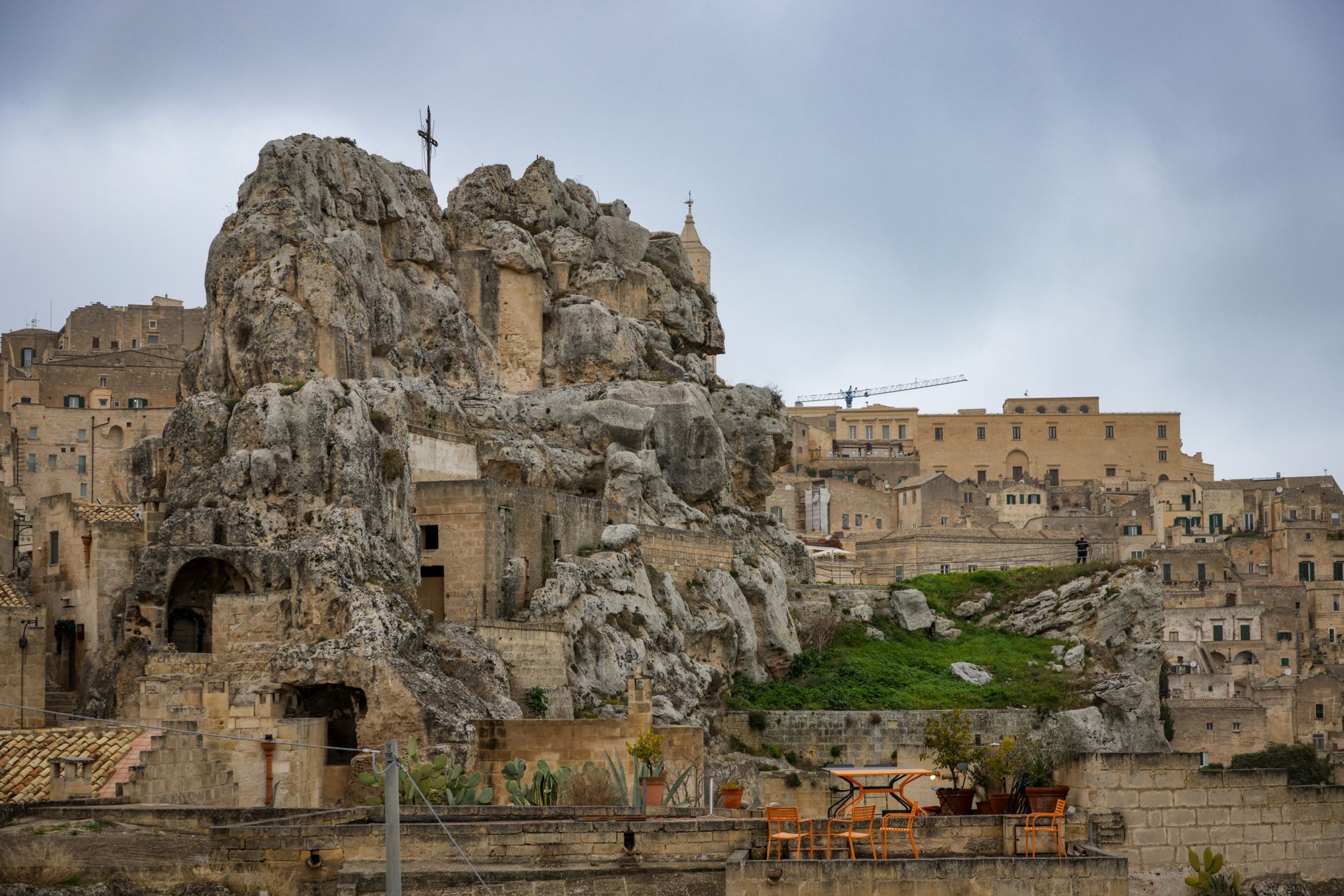
Matera gets called one of the oldest cities in the world, then treated like a site to tick off. It deserves more than a day trip.
Read more →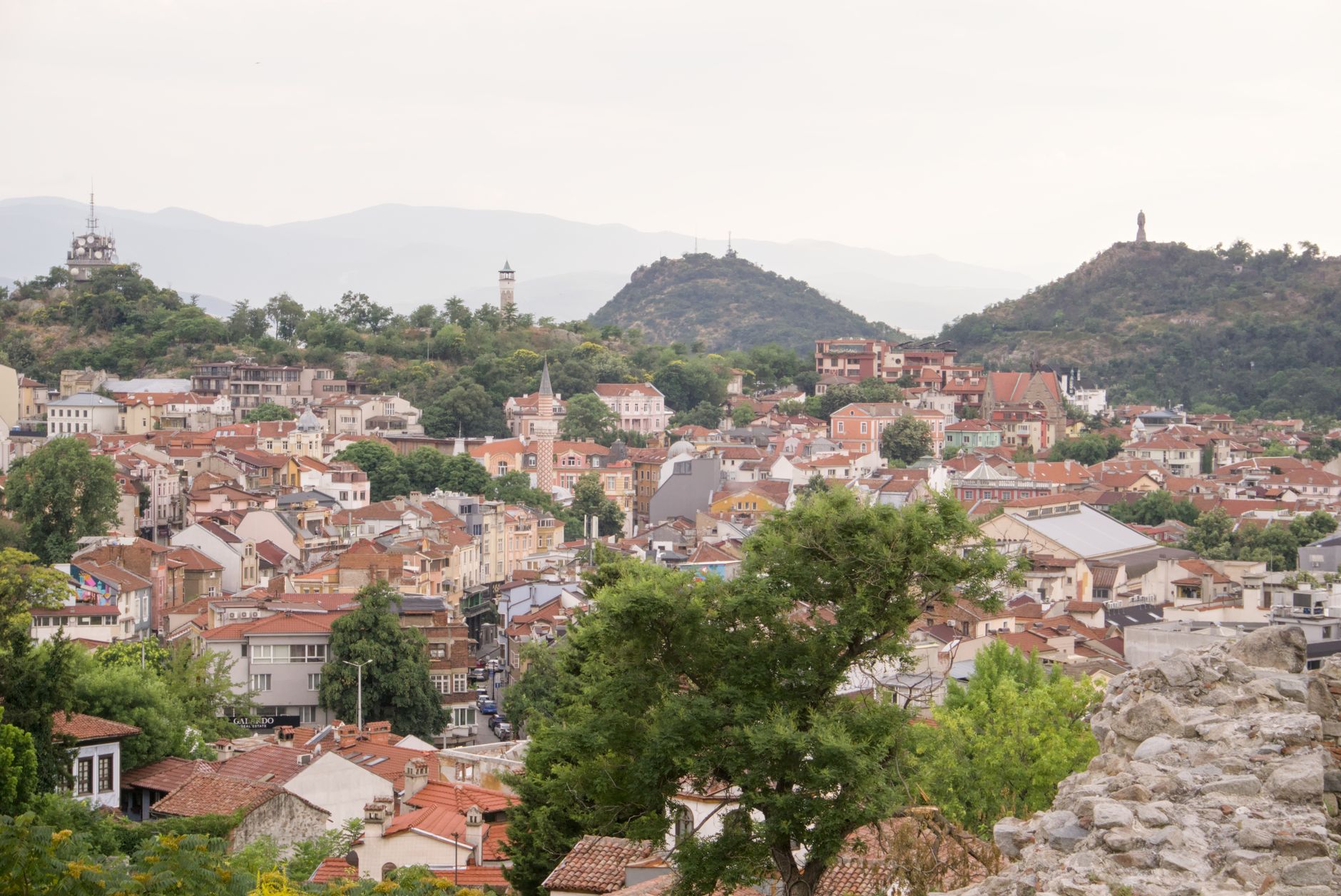
Bulgaria's second city has Roman ruins, a working arts district, and restaurant prices that feel like a misprint.
Read more →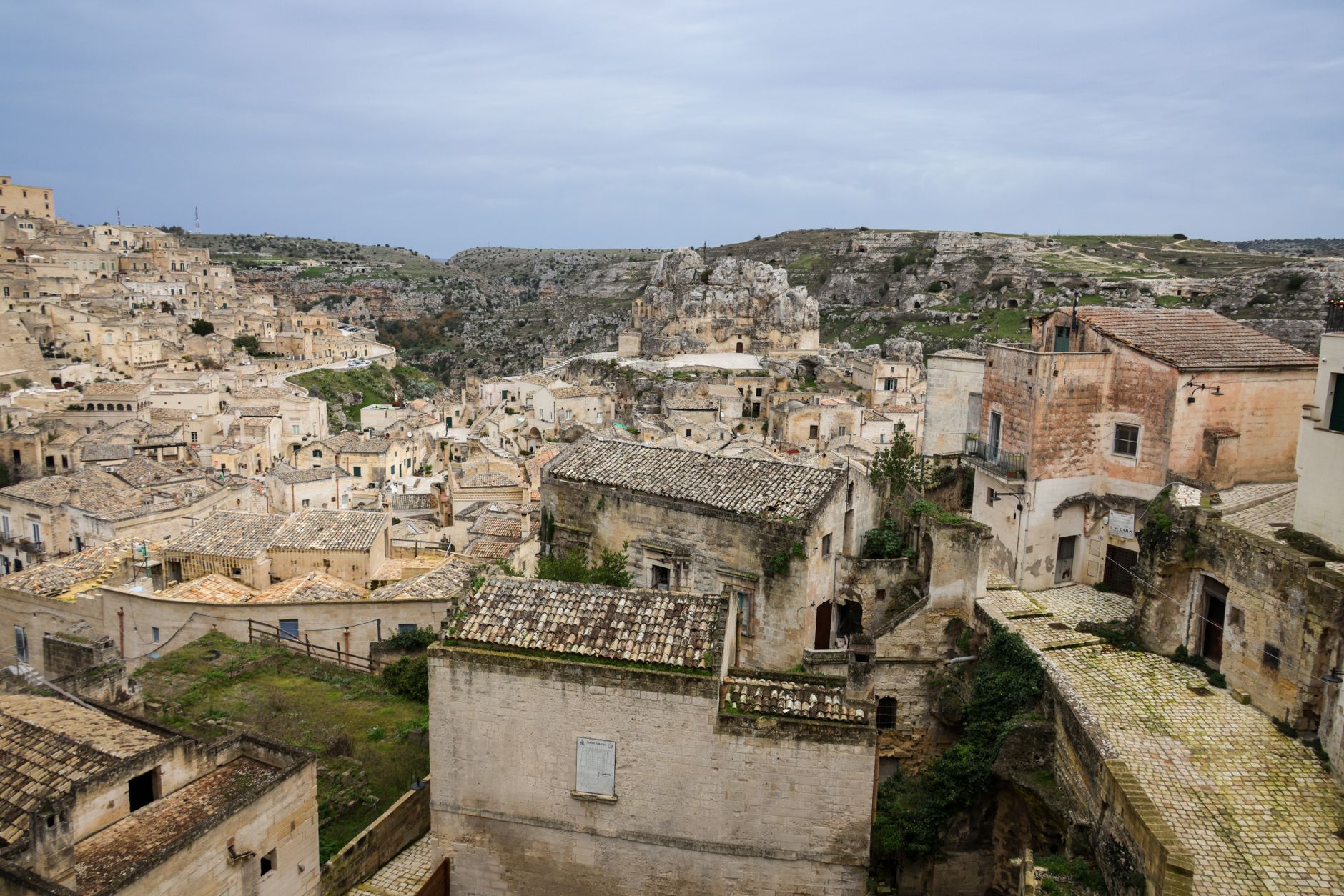
Matera's cave dwellings have been continuously inhabited for thousands of years - then emptied, then refilled. The full story is stranger than the photos.
Read more →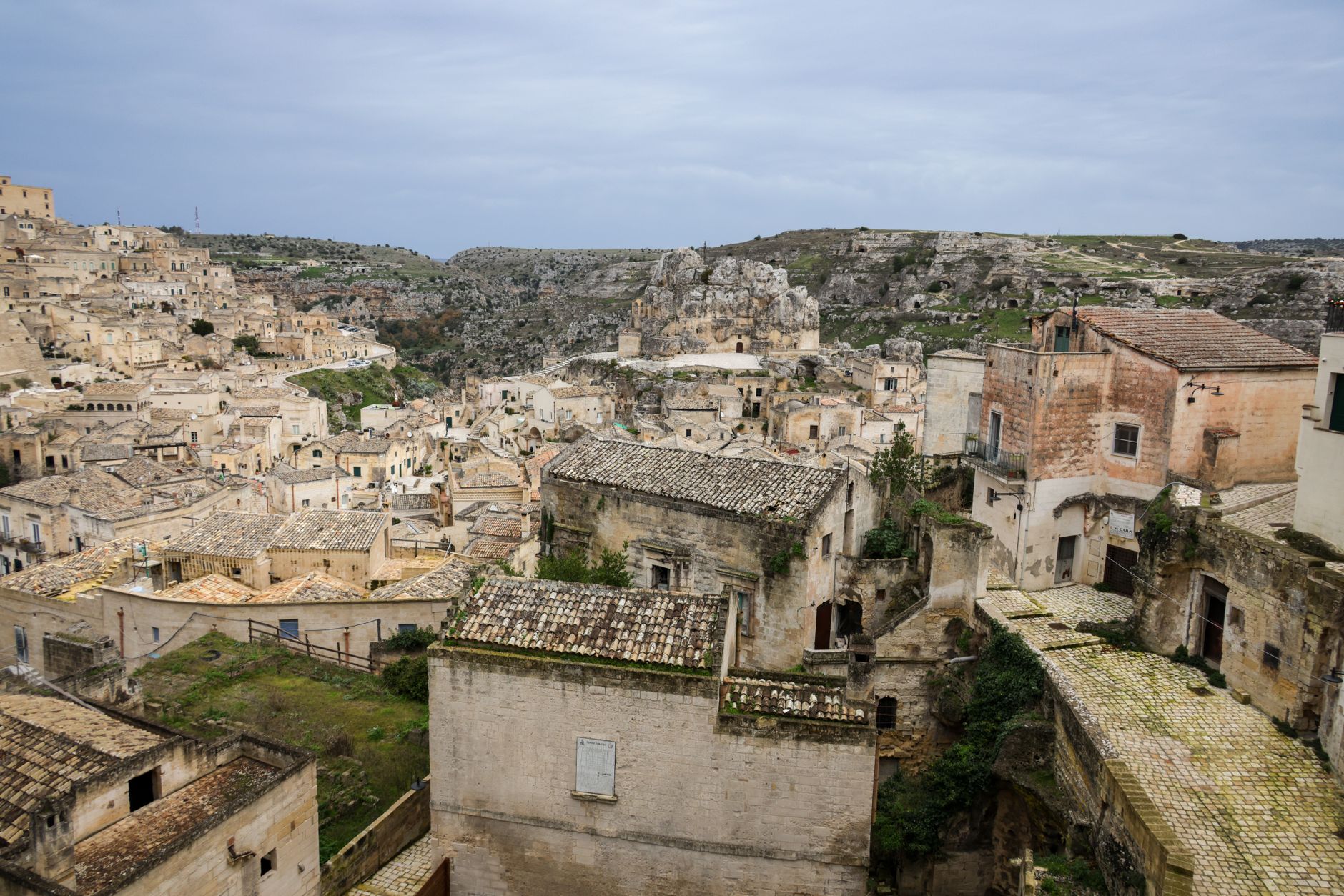
Matera's cave dwellings are a UNESCO site and a film set. They're also where people actually lived until 1952.
Read more →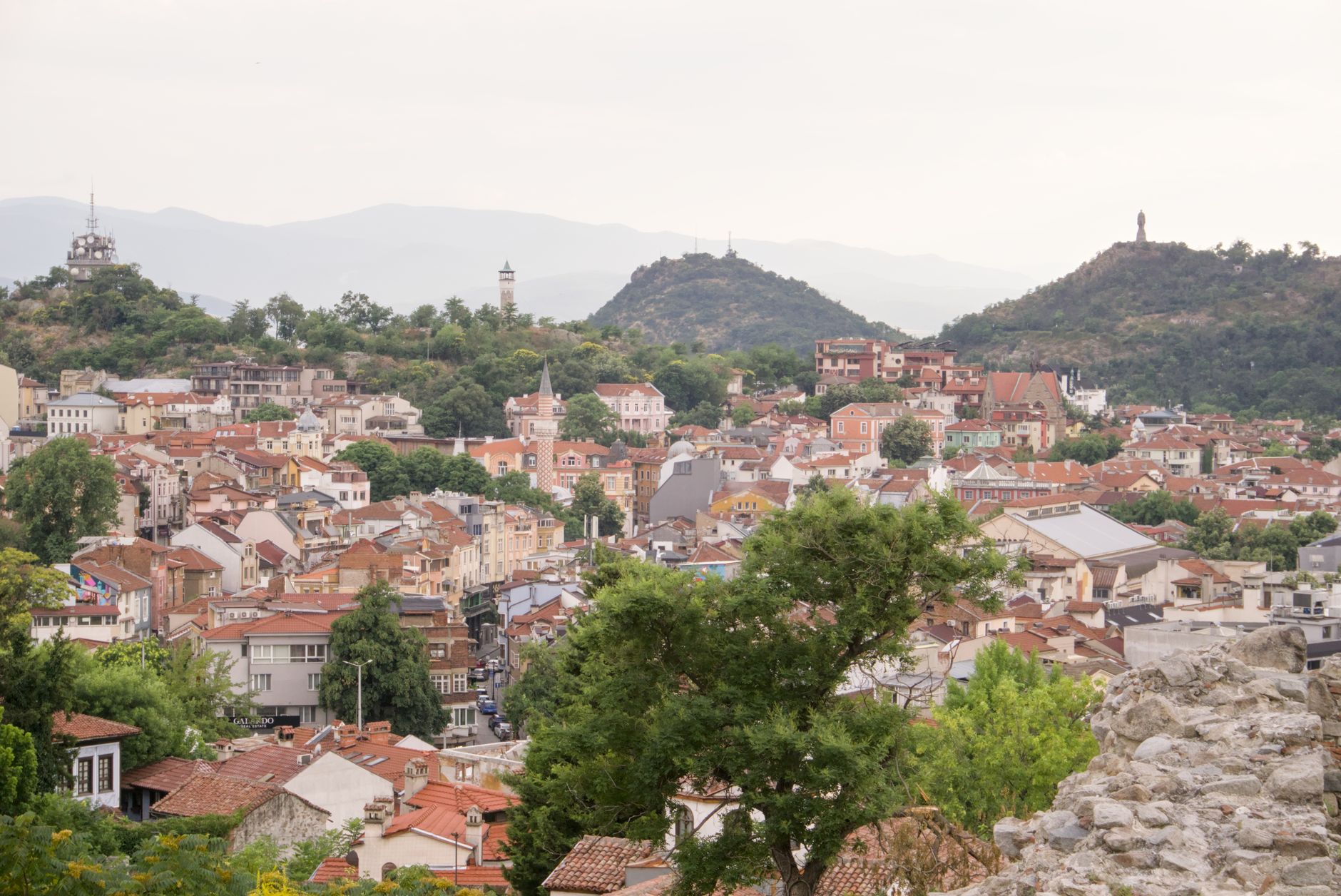
Plovdiv's Old Town isn't a museum district - people actually live there, and that changes everything about how it feels to walk through it.
Read more →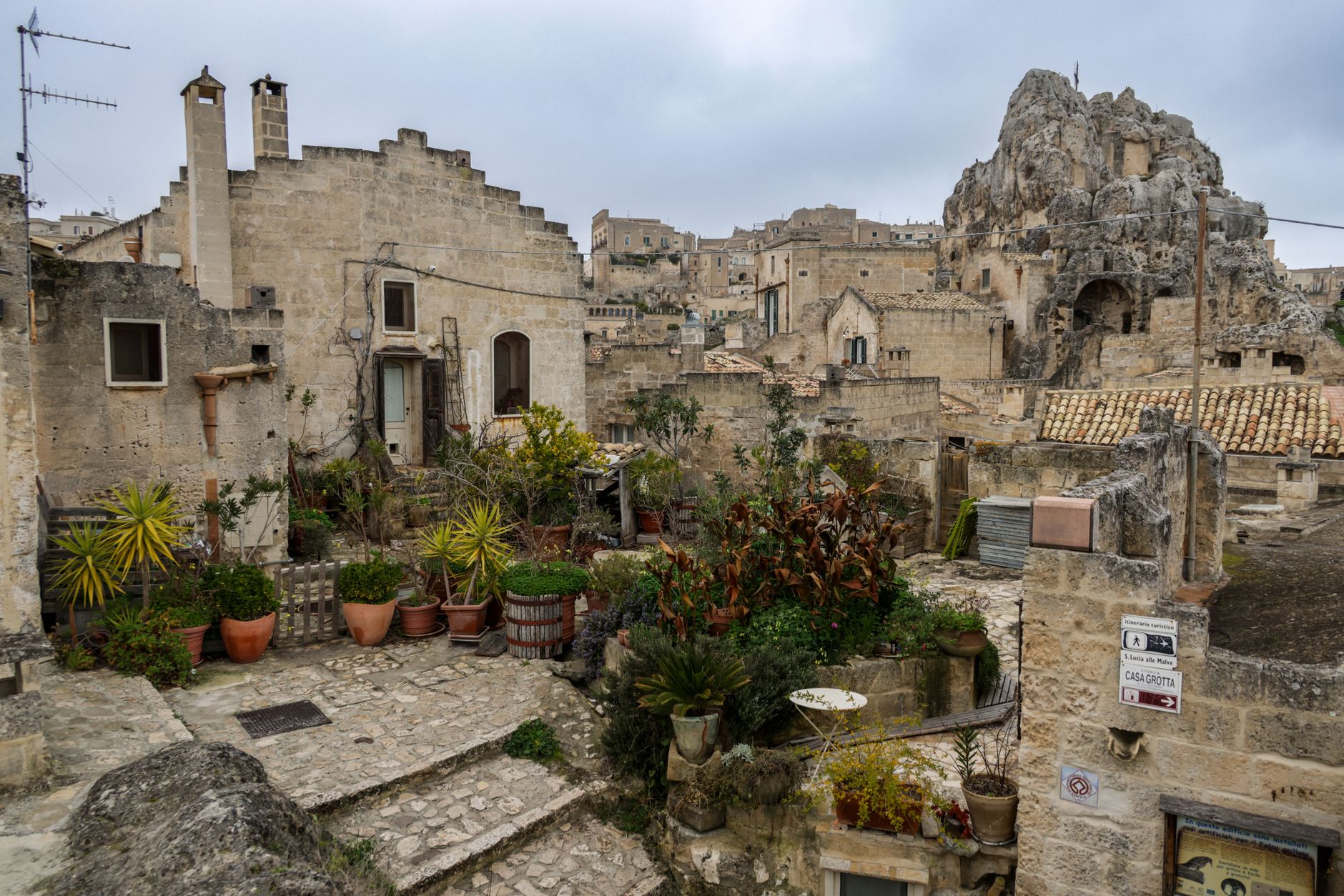
Most visitors spend half a day in Matera. That's enough time to photograph it, not enough time to understand it.
Read more →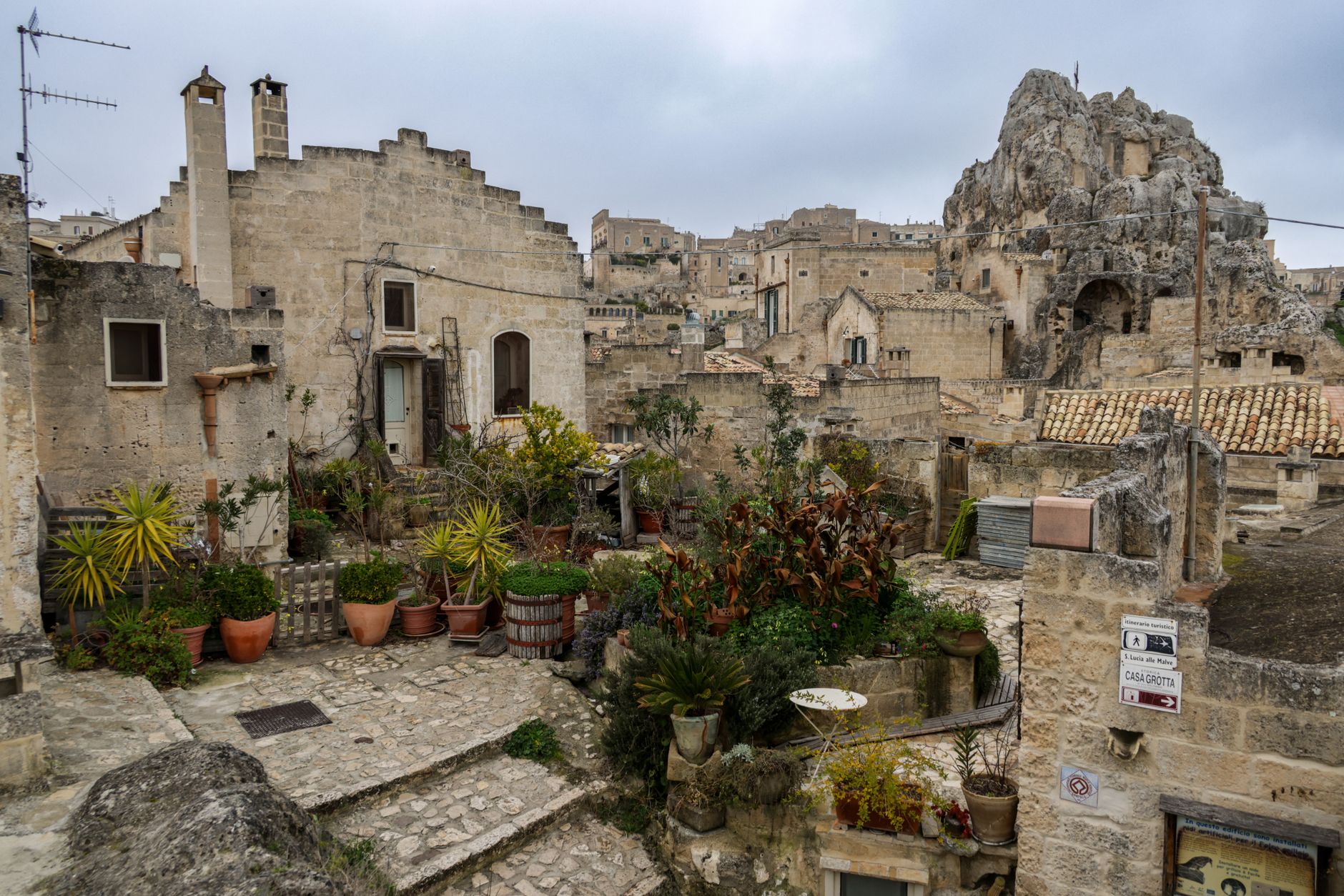
Most people treat Matera as a detour. That's the wrong way to see one of the oldest continuously inhabited settlements in the world.
Read more →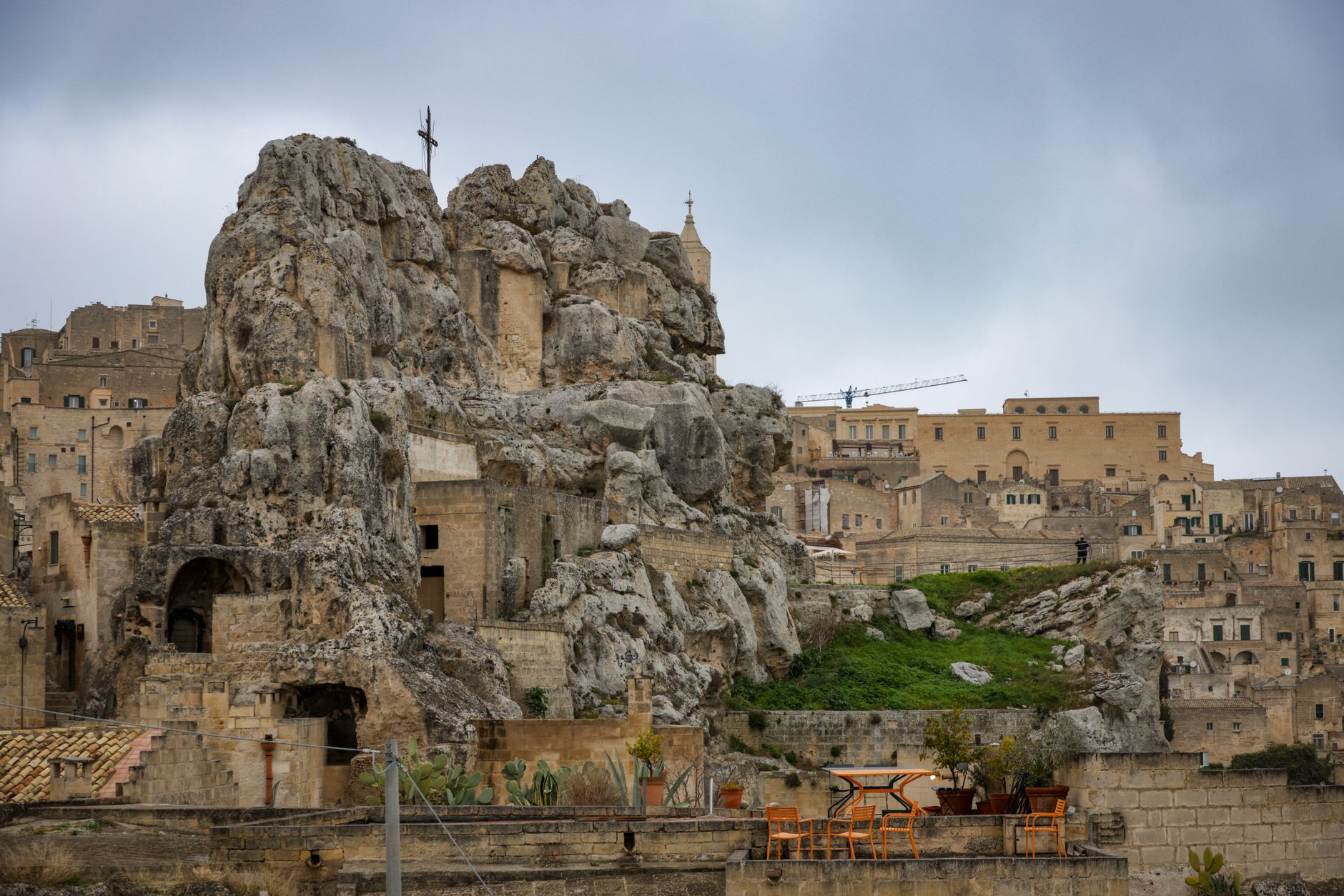
Matera was a UNESCO World Heritage Site before most travellers had heard of it. It still doesn't care if you show up.
Read more →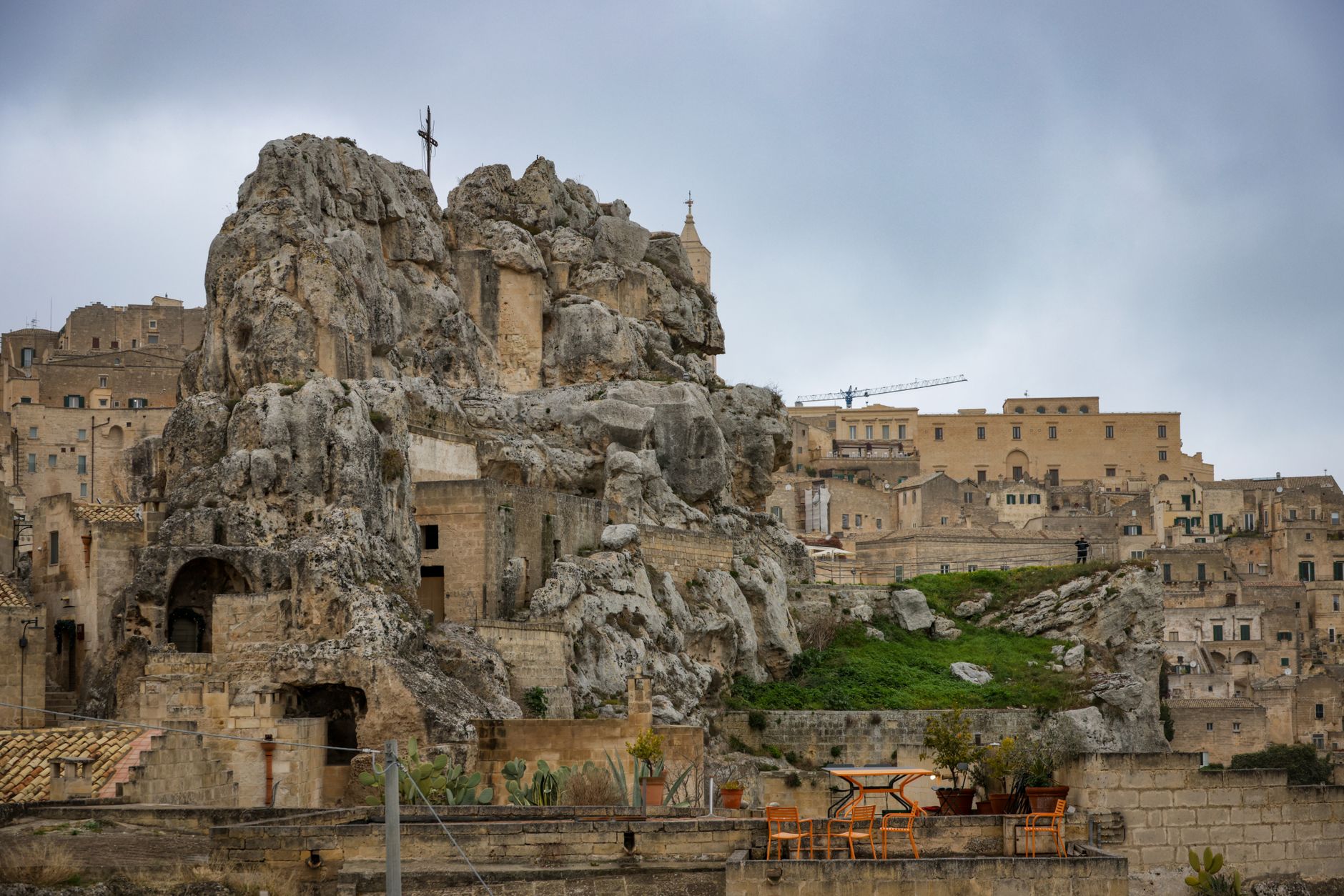
Matera's cave districts look like a film set, but the sassi are residential. That changes how you should visit.
Read more →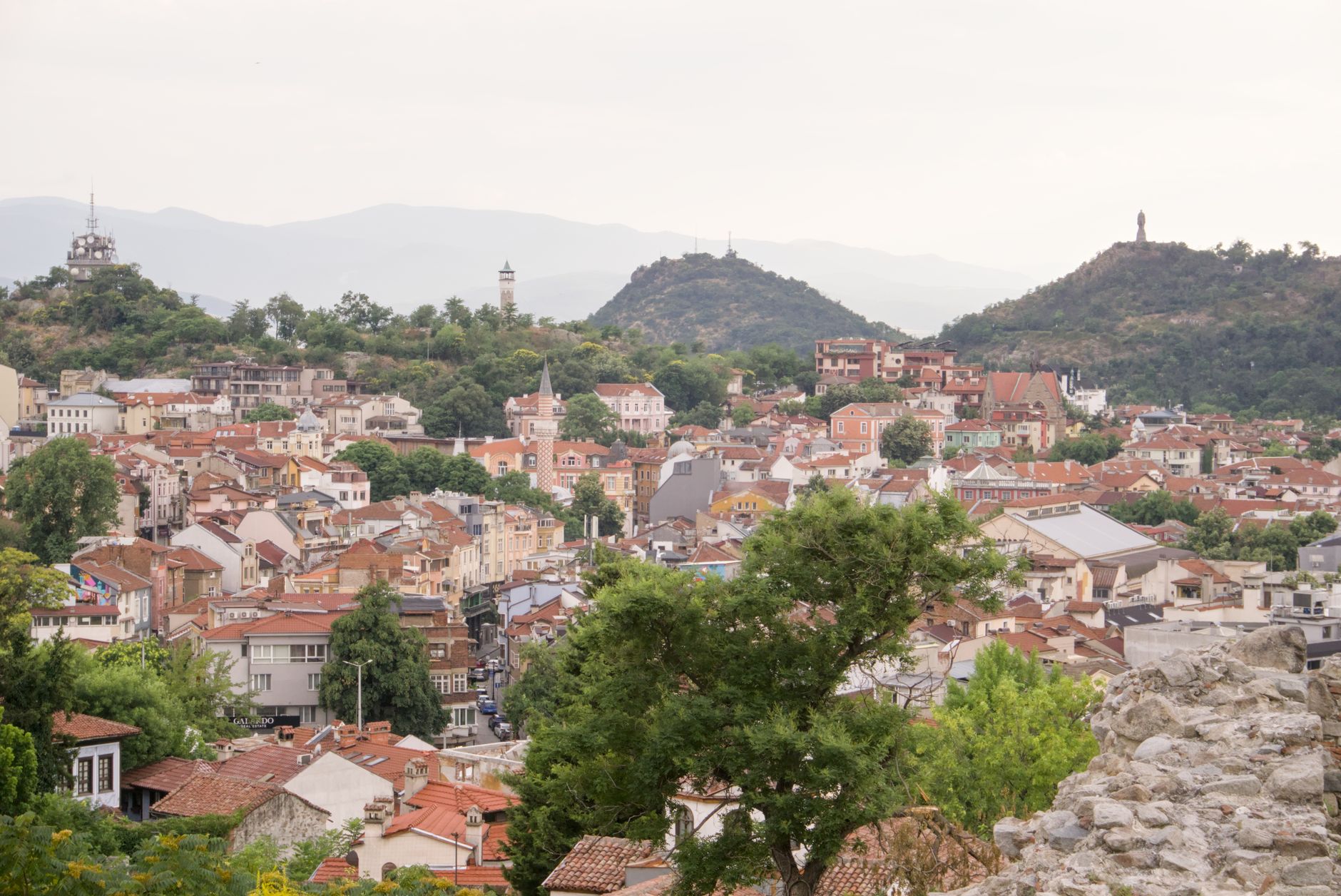
Plovdiv isn't Bulgaria's second city in any sense that matters. It's one of Europe's oldest continuously inhabited cities and it shows.
Read more →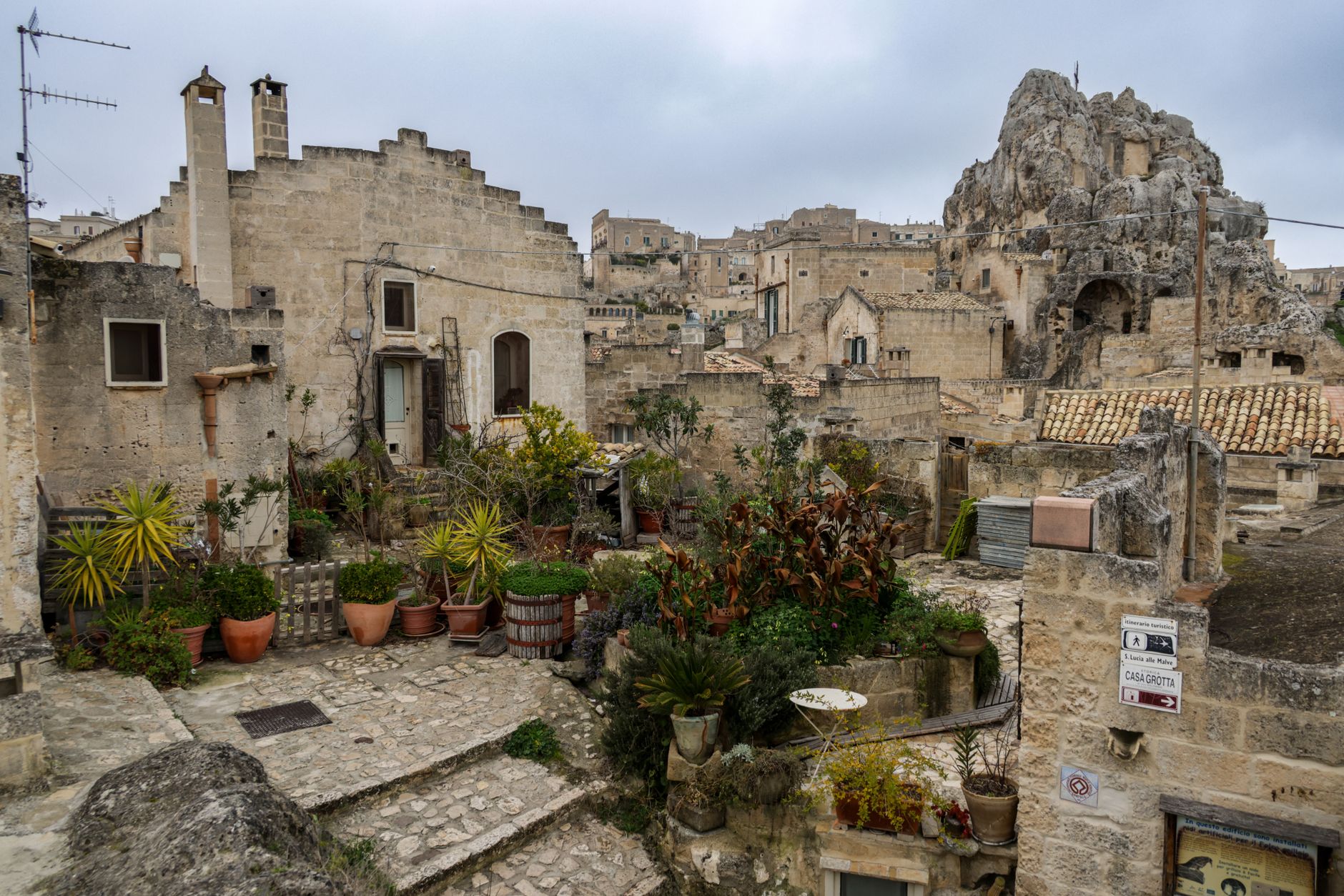
Matera's cave dwellings get called one of the oldest continuously inhabited cities on earth - but the place still functions like a real town.
Read more →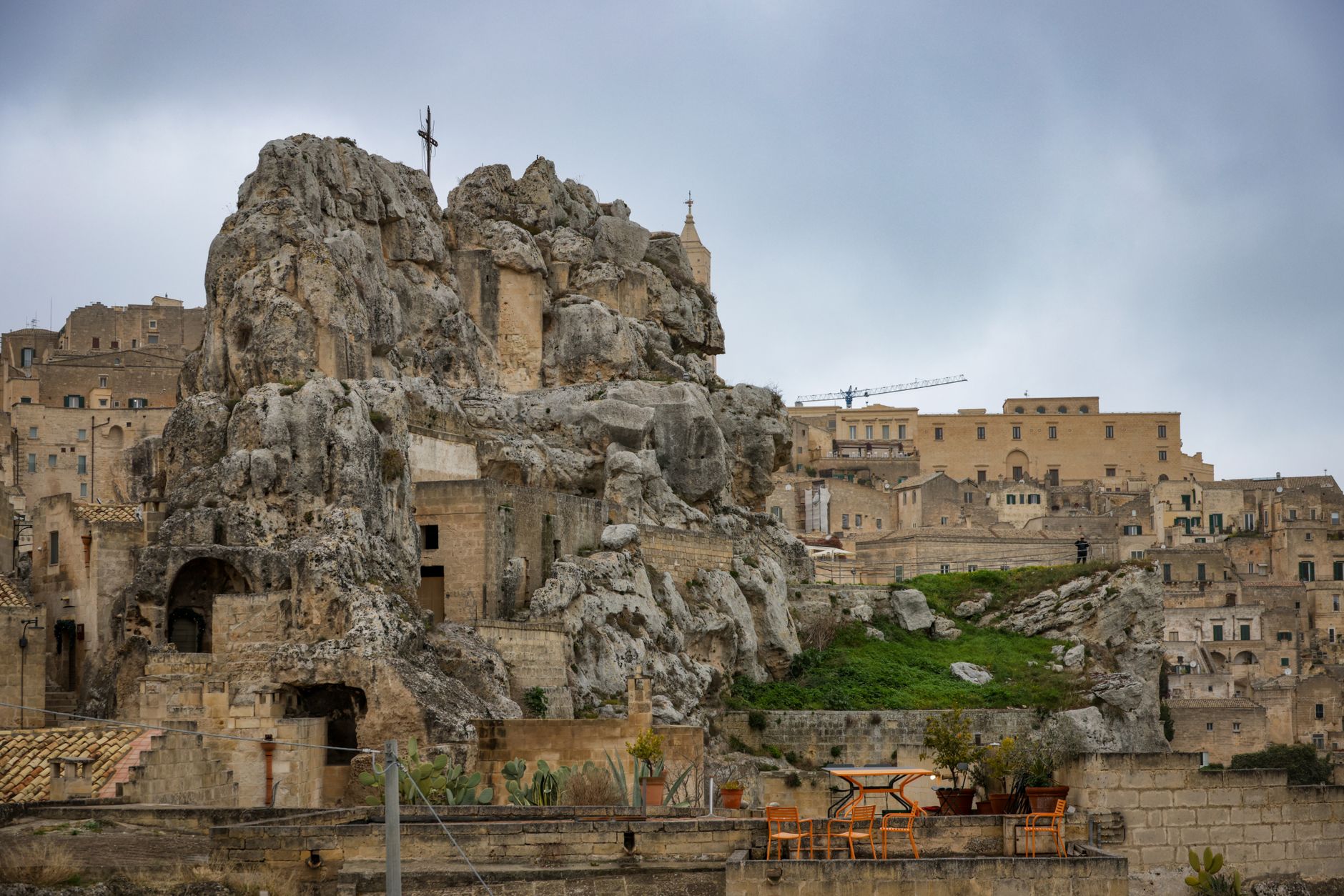
Matera's sassi districts predate most of Europe's great cities - and the town still moves like it knows this.
Read more →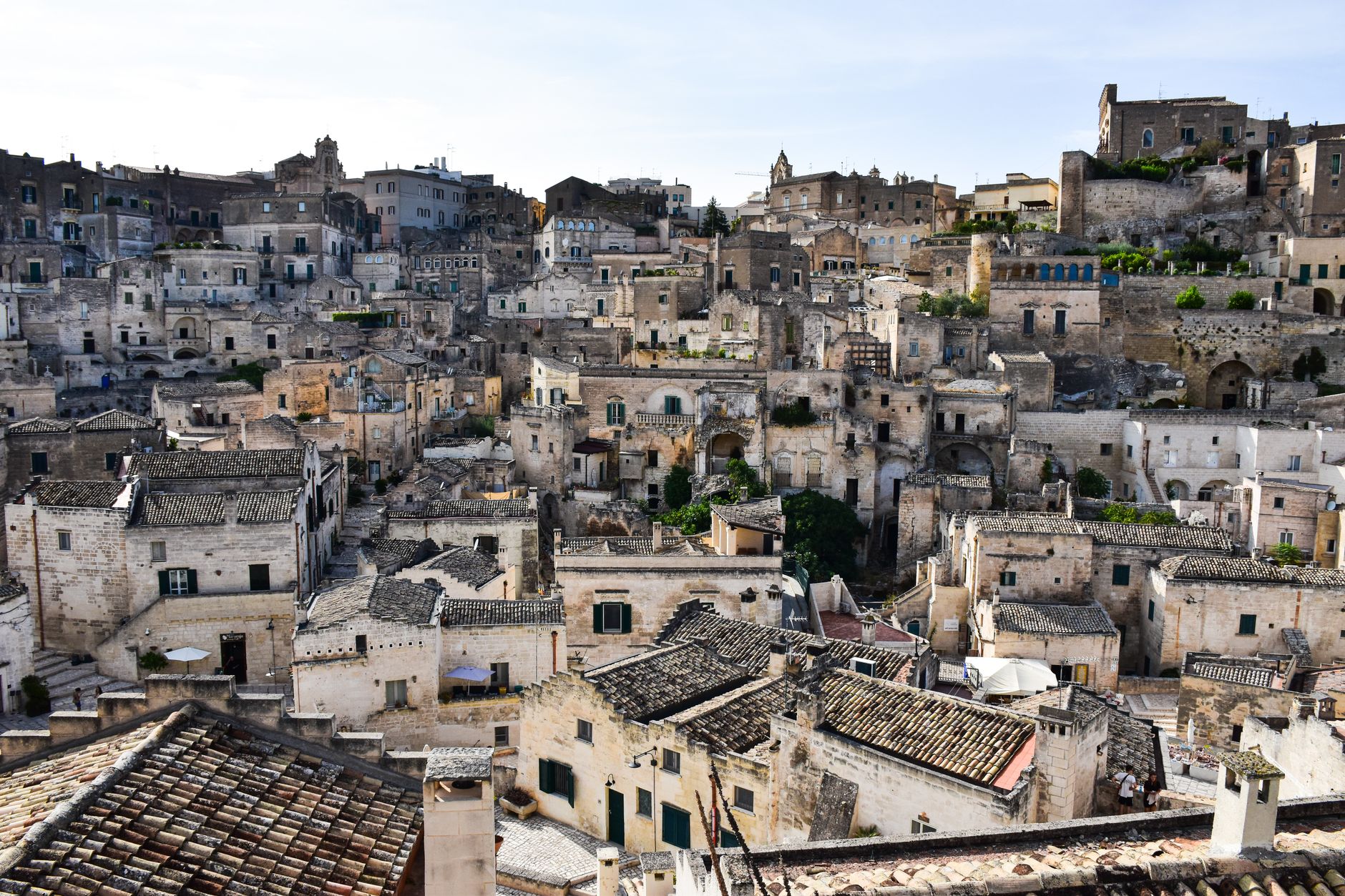
Matera's cave dwellings get called ancient and timeless, but the city is stranger and more alive than that framing suggests.
Read more →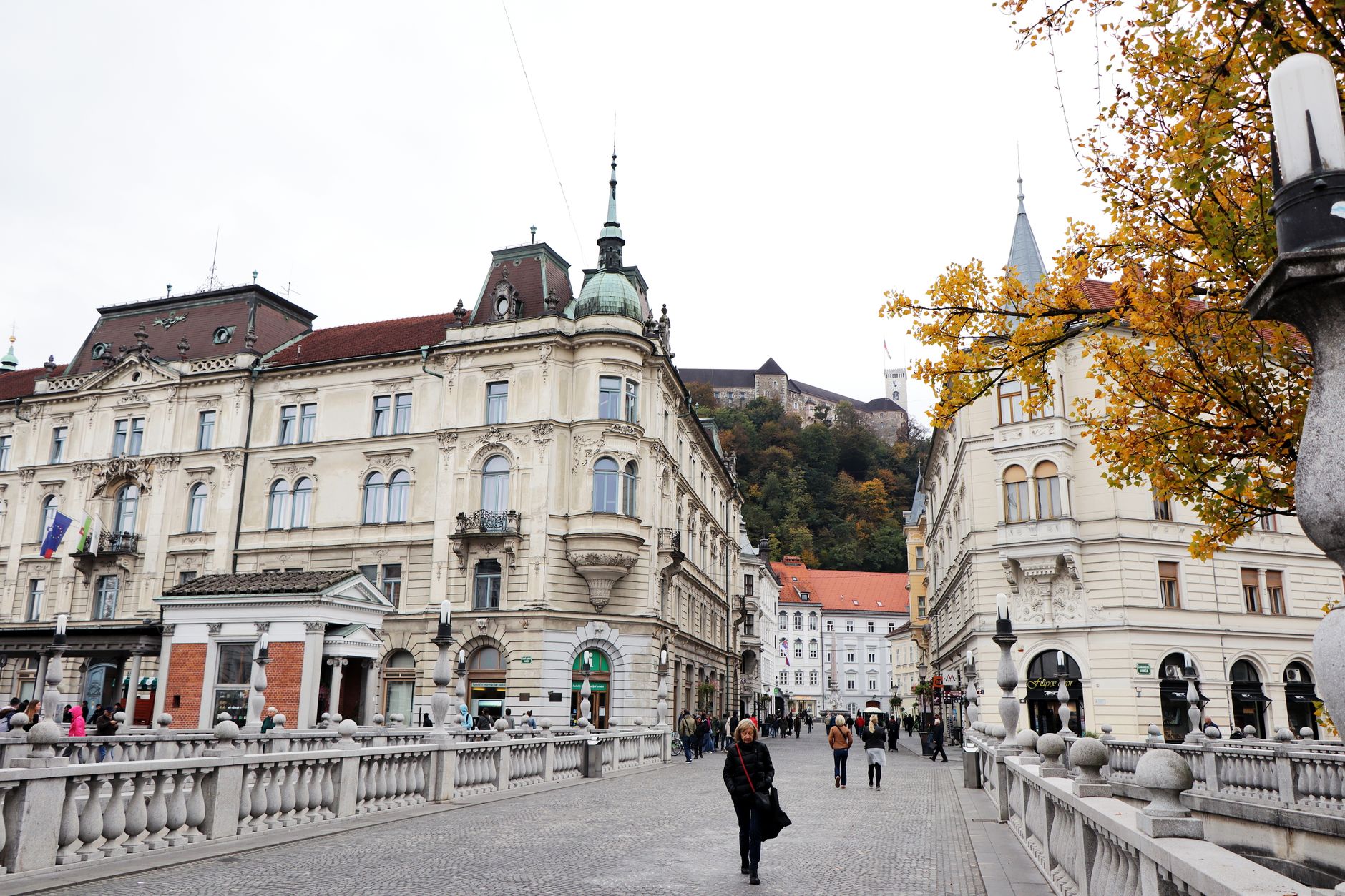
Slovenia's capital is compact, walkable, and stubbornly itself - which makes it one of the most satisfying cities in Central Europe.
Read more →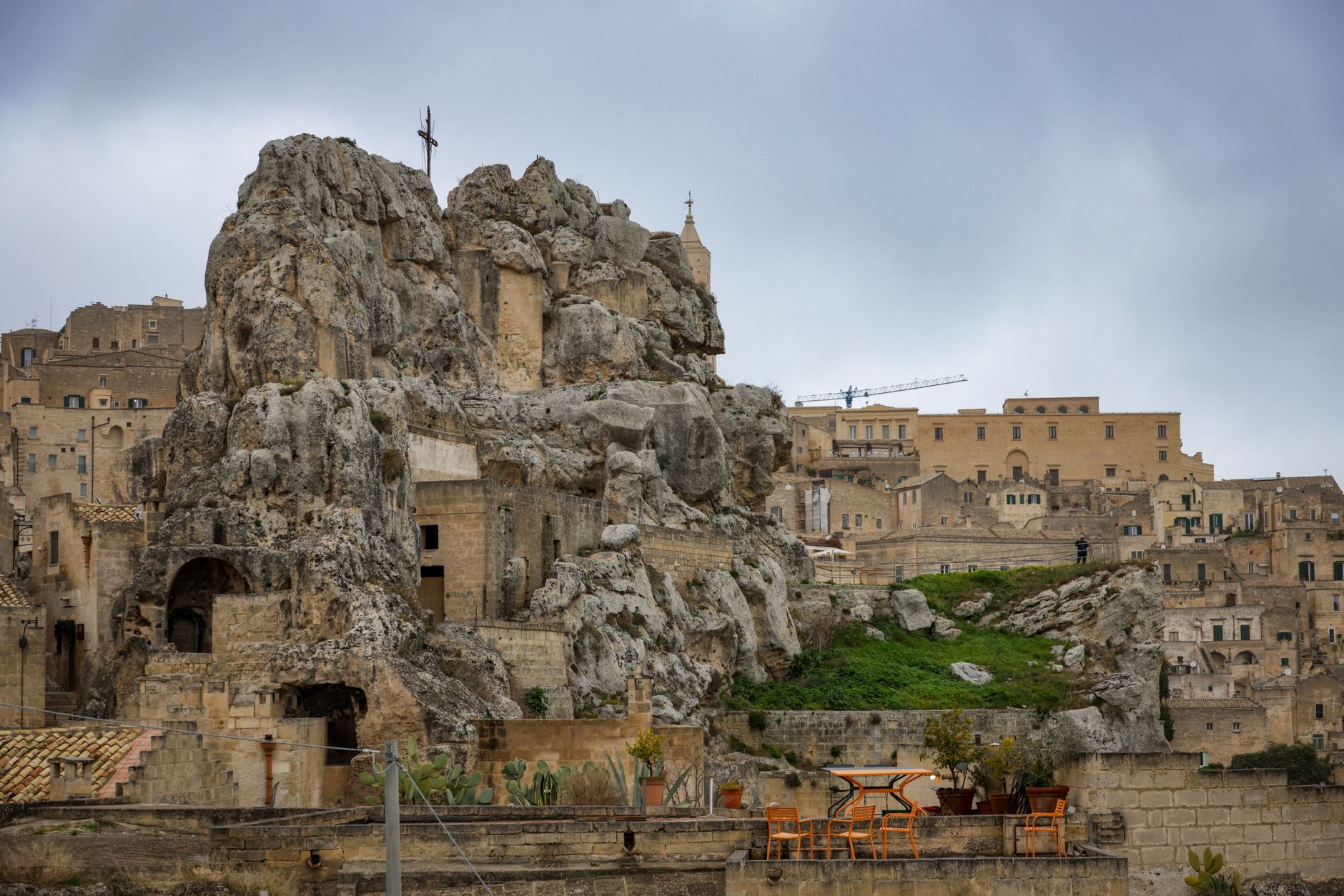
Matera's sassi districts look ancient and preserved - and they are. But people live there, eat there, and argue about parking.
Read more →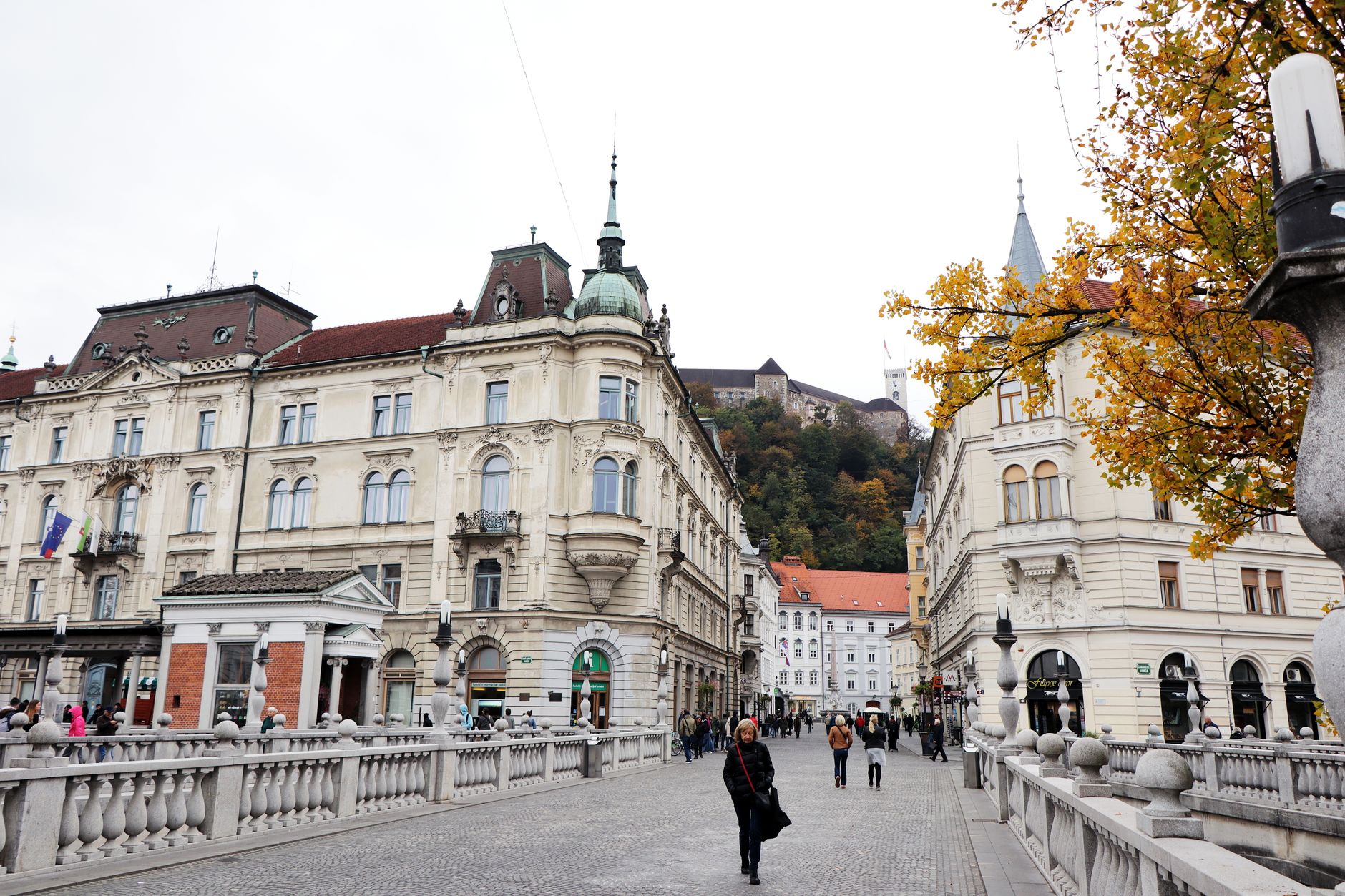
Most people treat Ljubljana as a one-night stop between Venice and Zagreb. They're wrong, and the city is better for it.
Read more →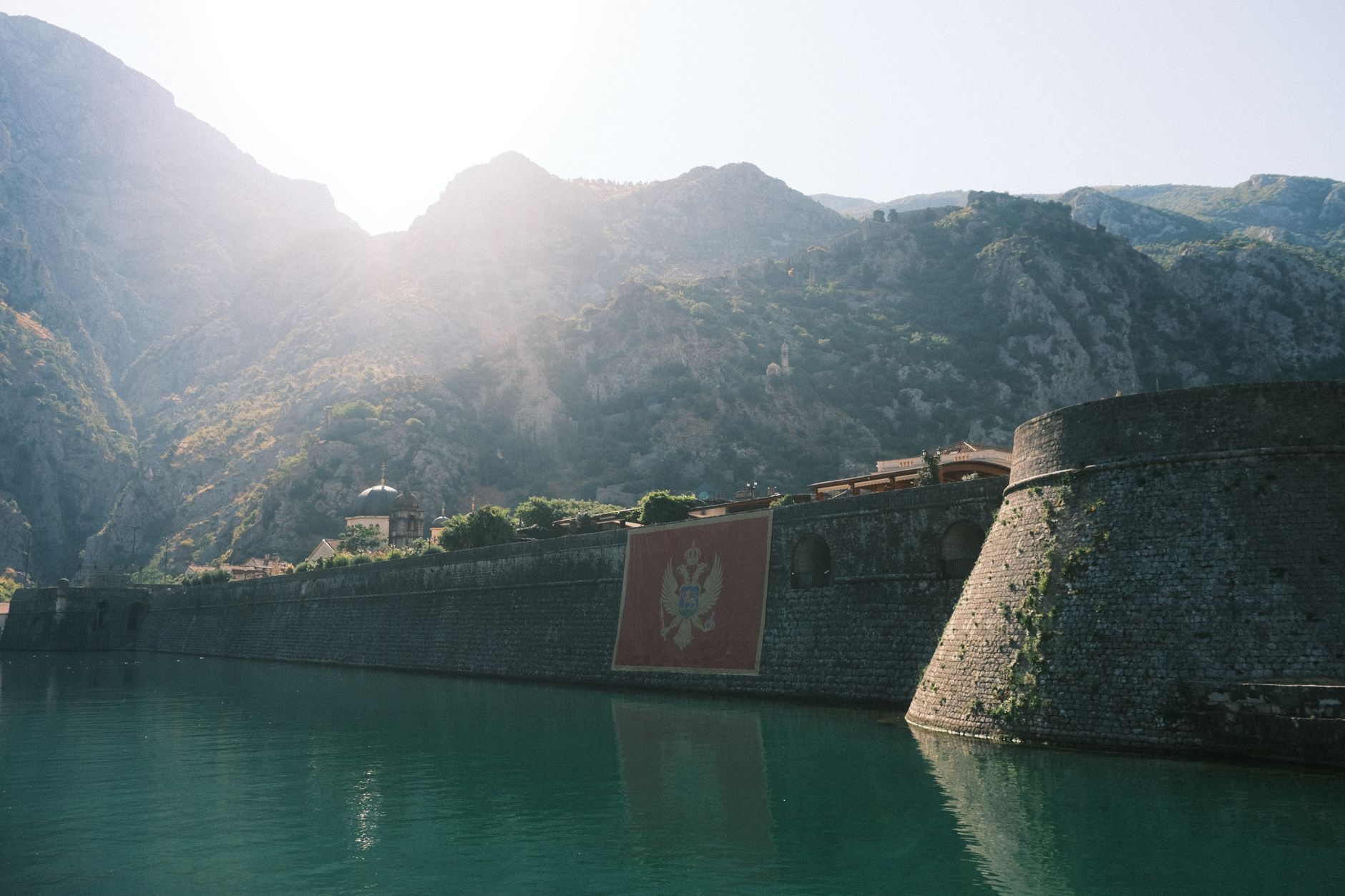
Most visitors photograph Kotor's medieval walls from below. The ones who climb them see a completely different city.
Read more →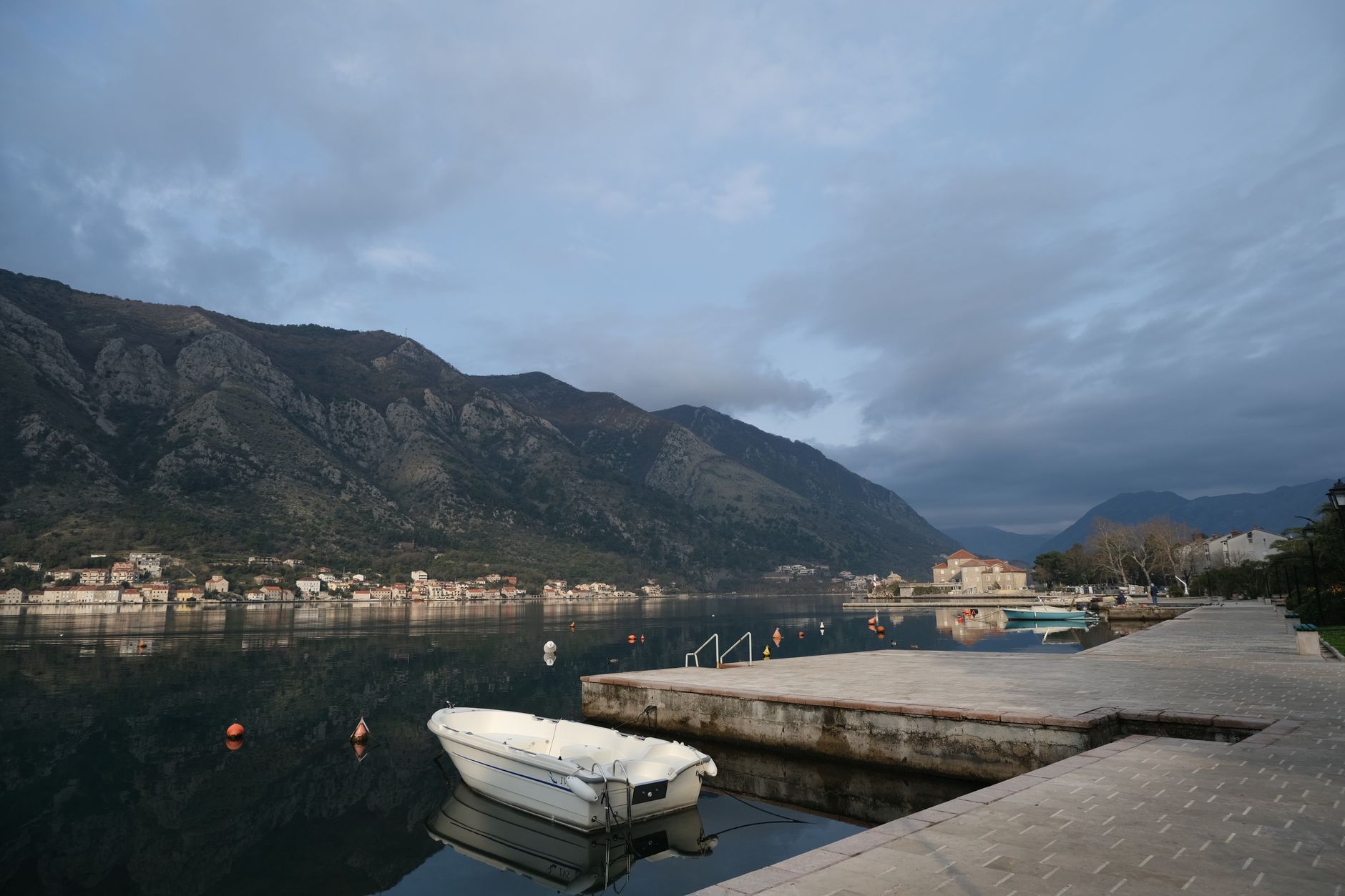
Most visitors spend their time inside Kotor's walls. The better move is to get on the water.
Read more →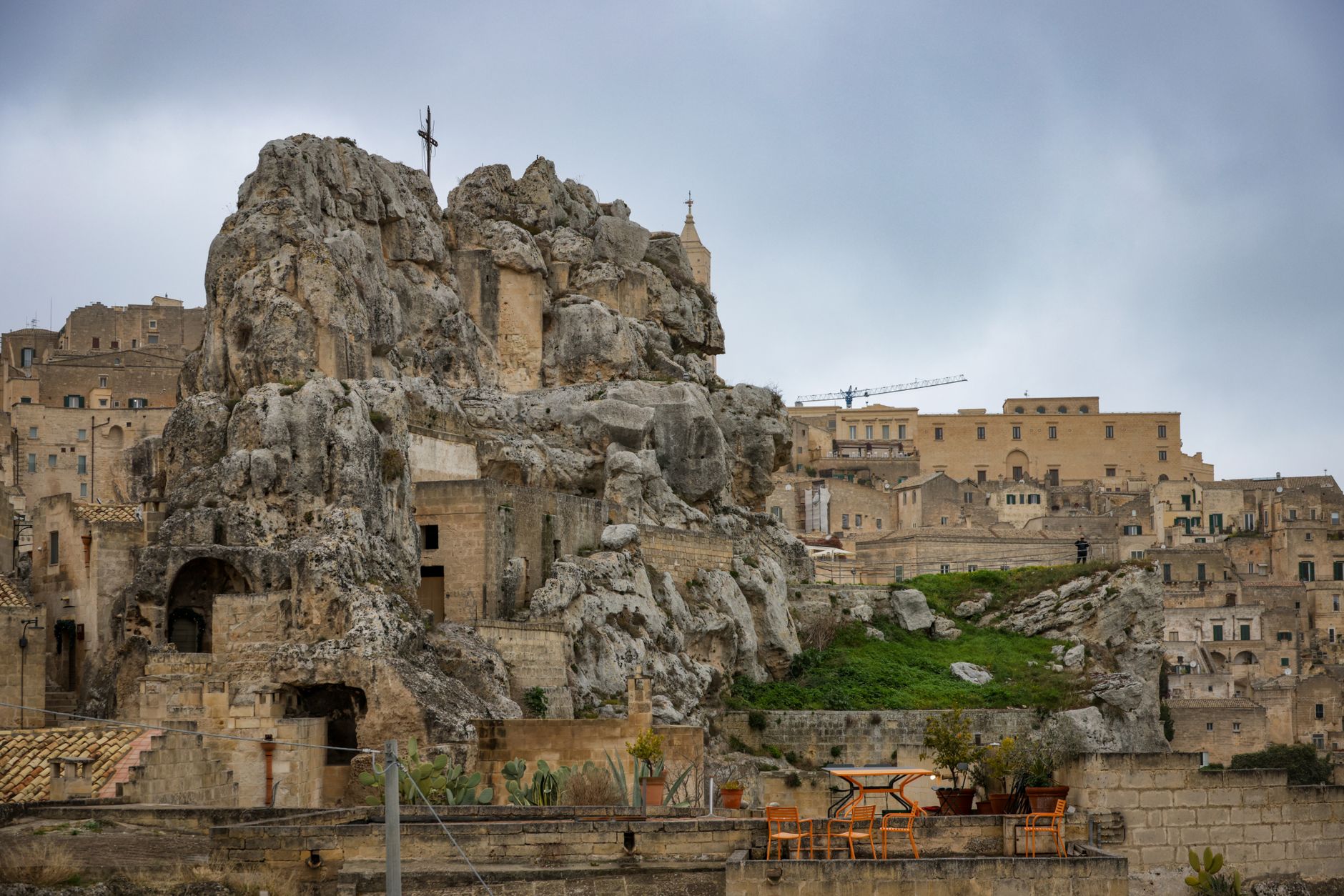
Matera was a UNESCO site before most travellers had heard of it. The city carved into a ravine in southern Italy still doesn't try hard.
Read more →
A practical two-week Europe itinerary for first-time travelers, covering 3–5 cities across 2–4 countries with route options by travel style and visa guidance for Filipino passport holders.
Read more →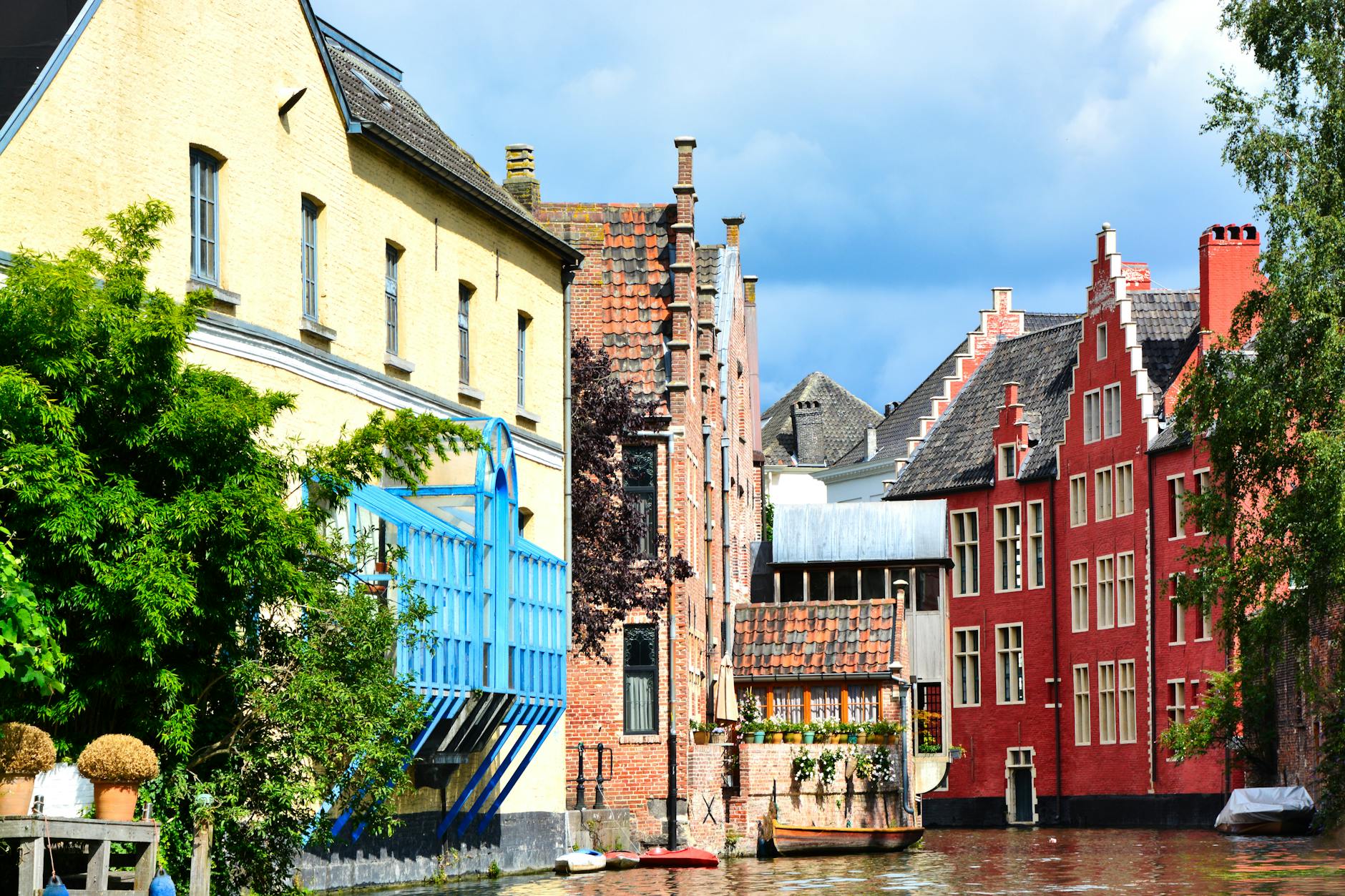
Bruges gets the postcards, Brussels gets the politics - Ghent just gets on with it, and that's exactly why it works.
Read more →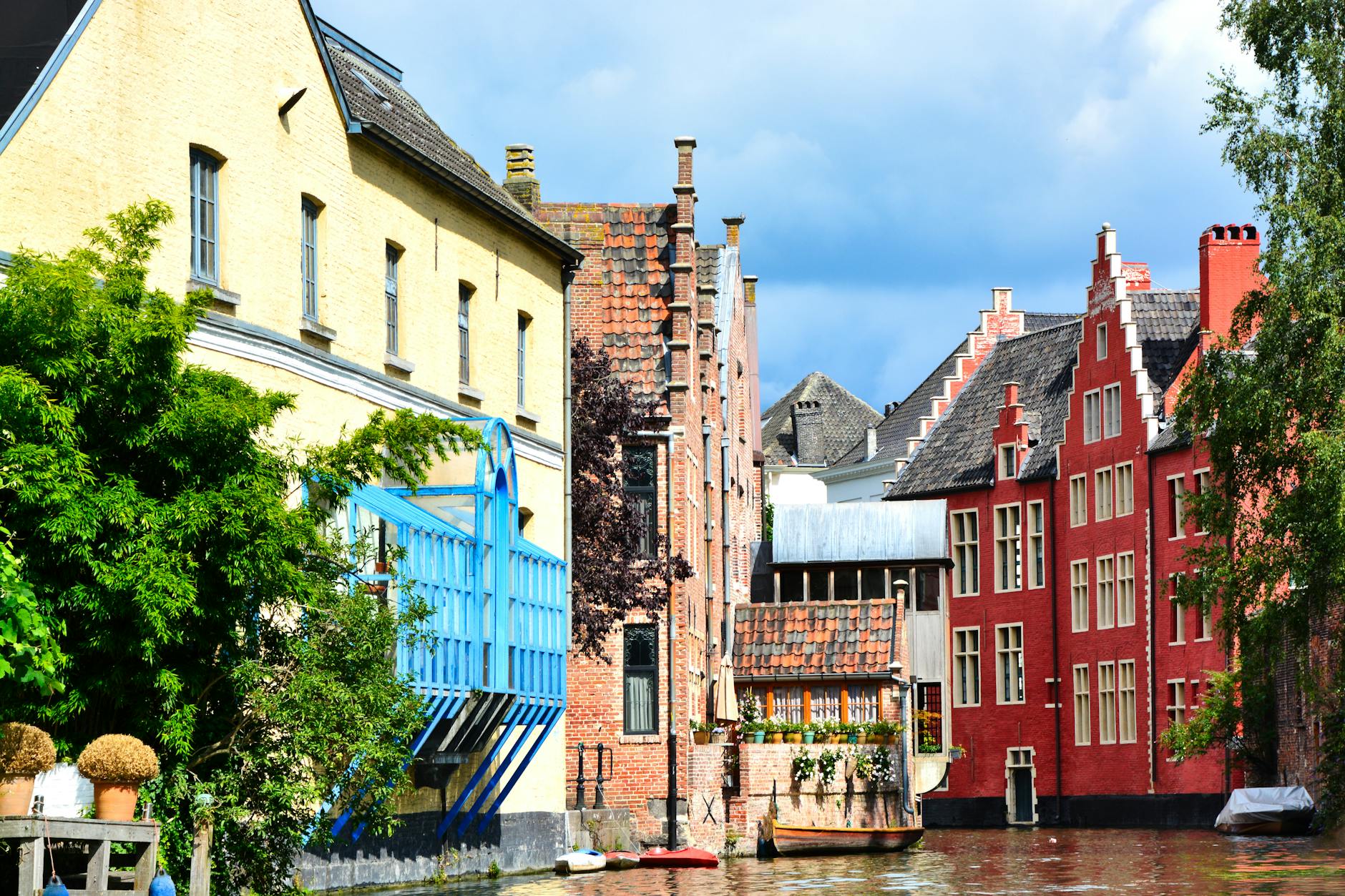
Bruges gets the postcards, but Ghent has the canals, the medieval guildhalls, and actual Belgians eating dinner.
Read more →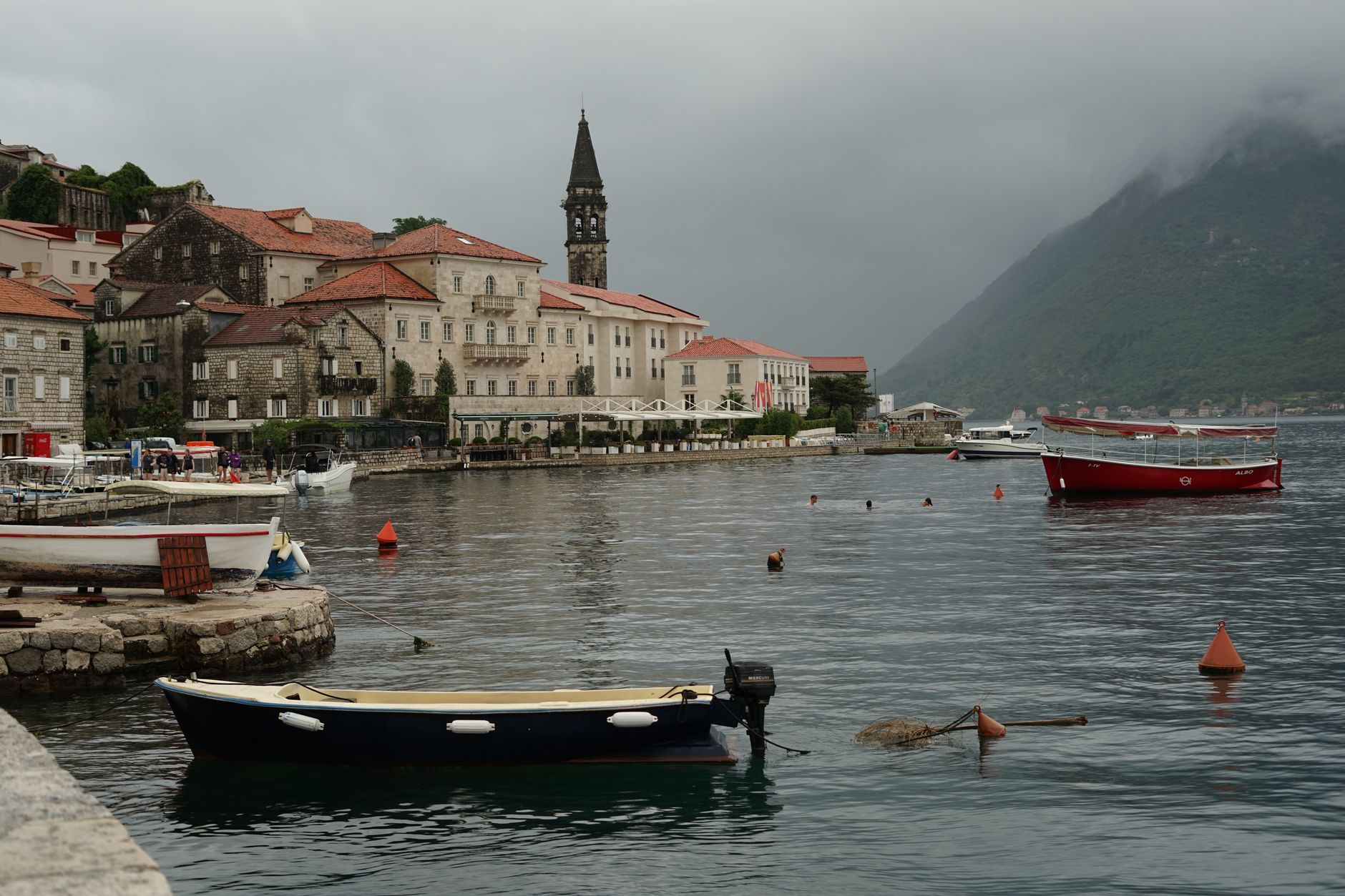
Montenegro's walled city on the Bay of Kotor takes about 20 minutes to walk end to end. Spend two days there anyway.
Read more →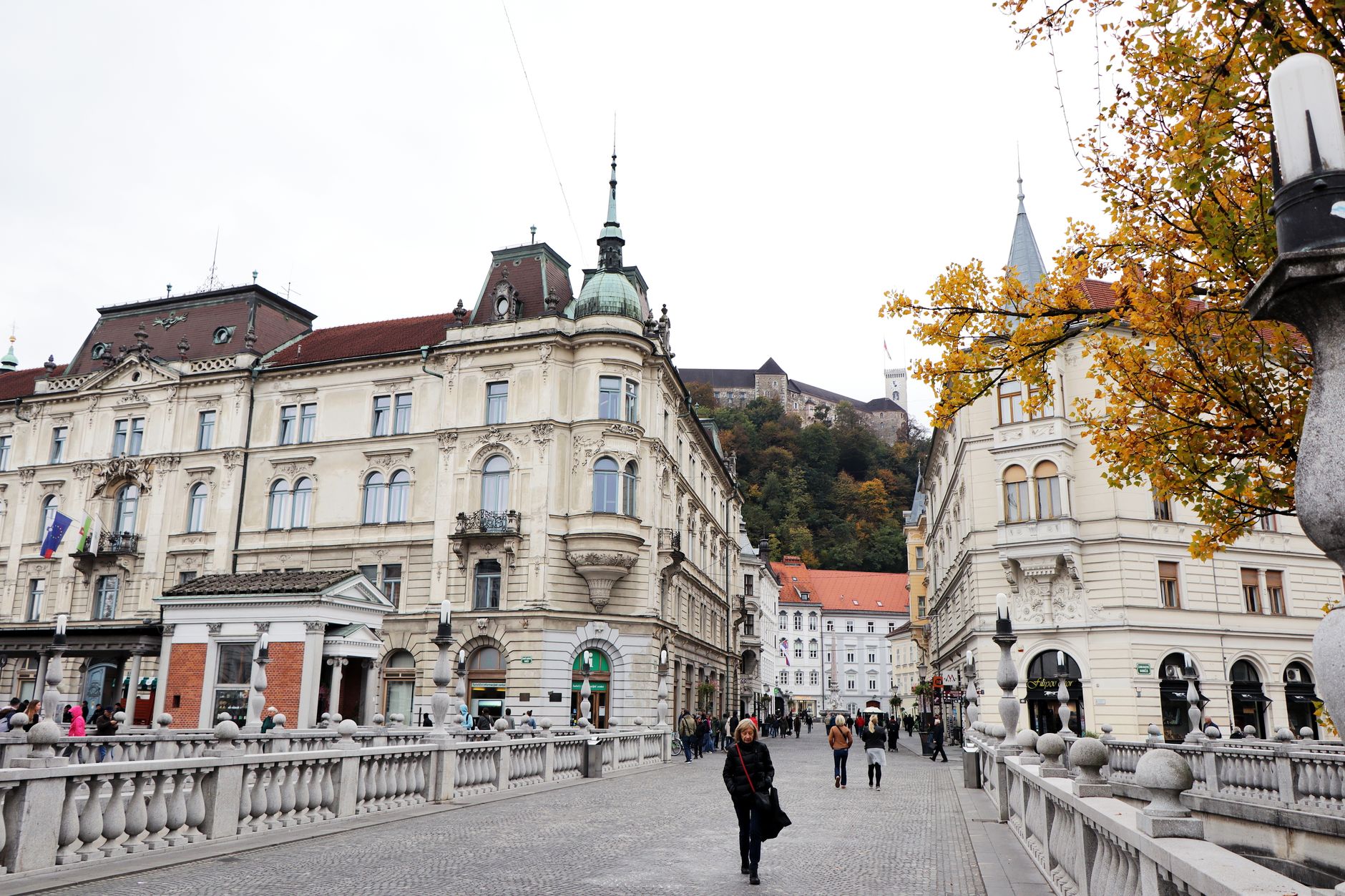
Slovenia's capital keeps getting treated as a stopover. That's a mistake - and the city is better for it.
Read more →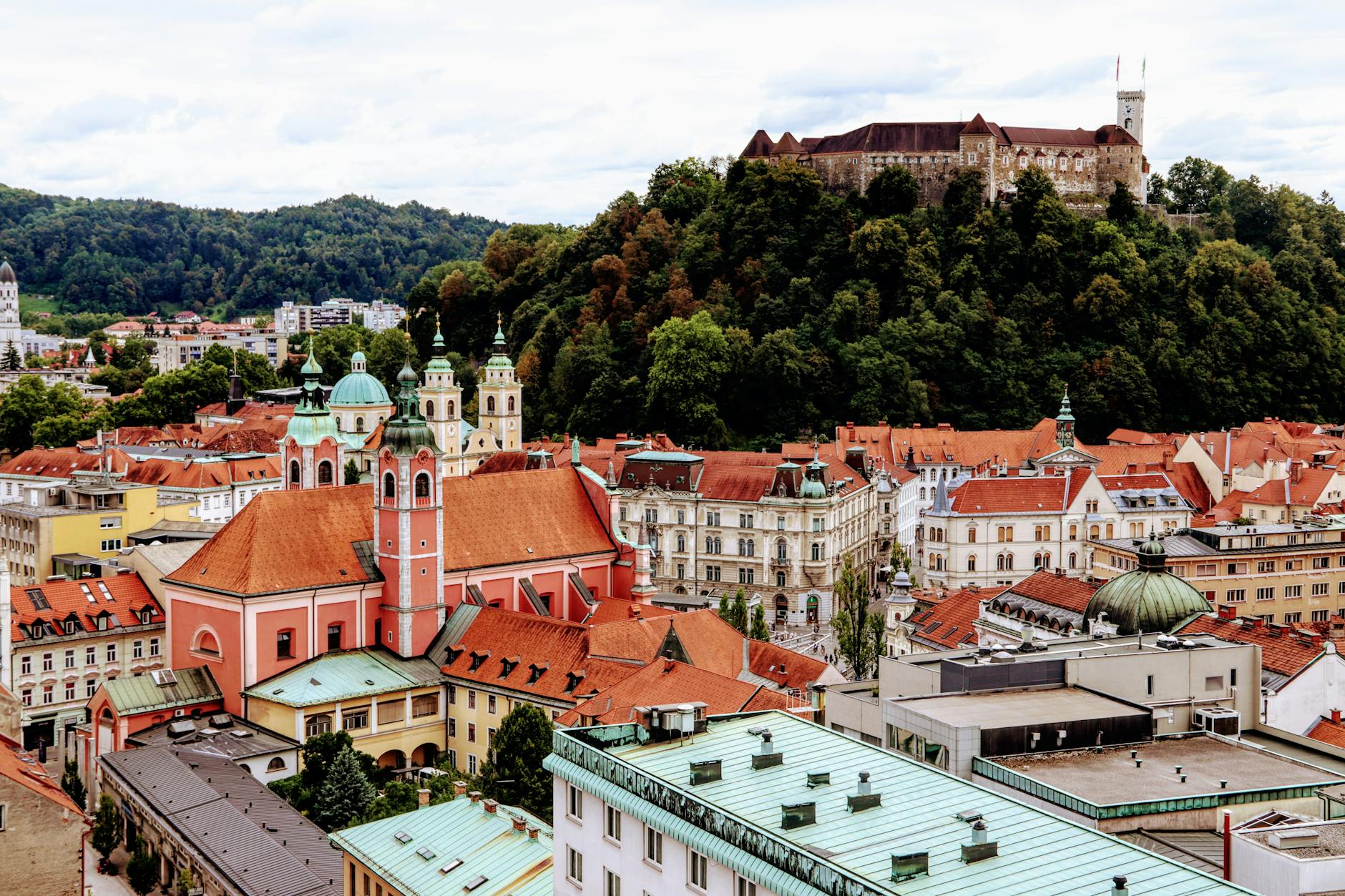
Slovenia's capital is one of the most liveable small cities in Europe - and most travellers pass straight through it.
Read more →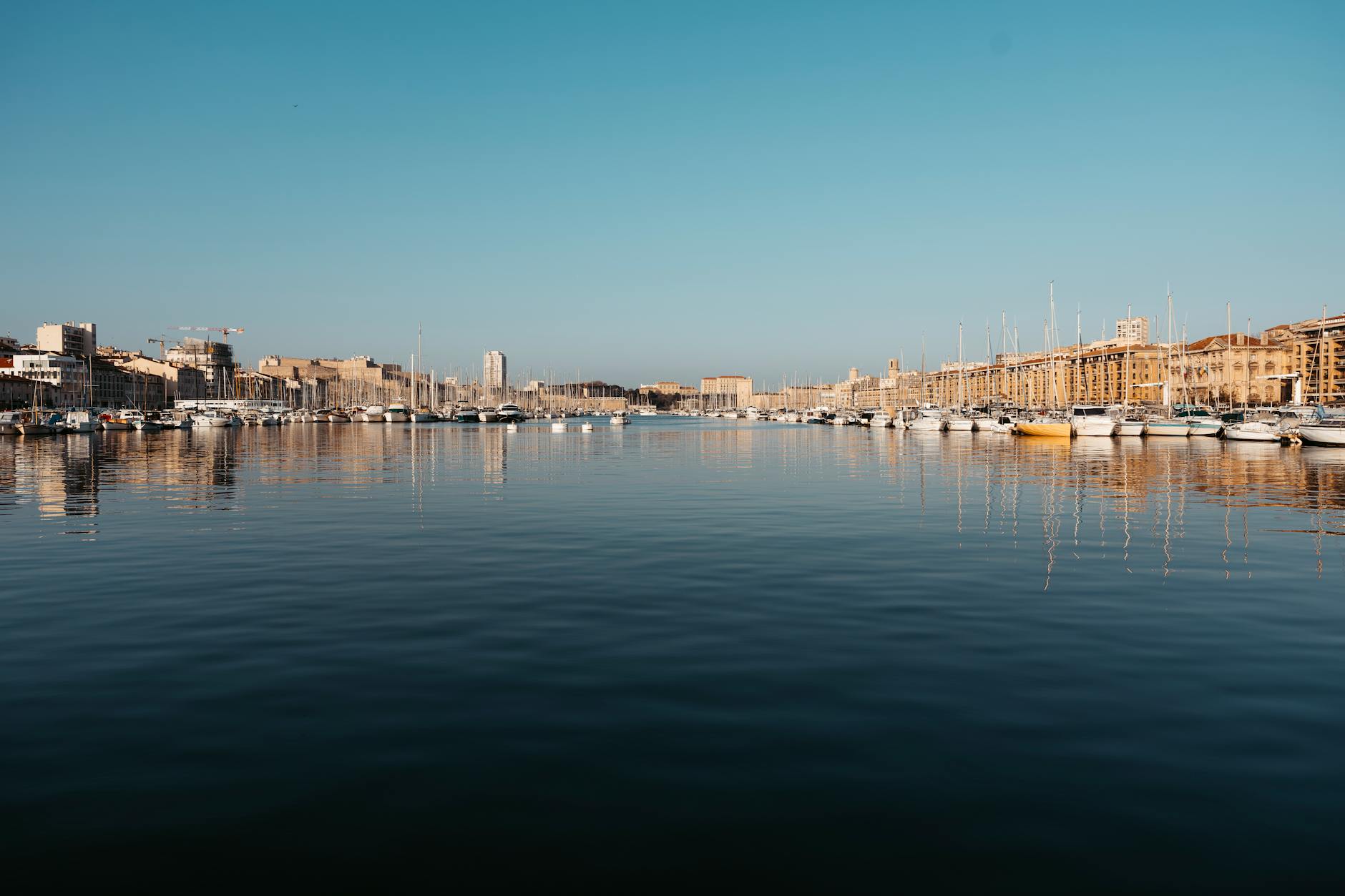
France's second city has spent decades fighting its reputation. Spend a few days there and you'll wonder who wrote the bad reviews.
Read more →
Palermo hits hard from the moment you land - and that's exactly why it belongs on your Italy itinerary before anywhere else.
Read more →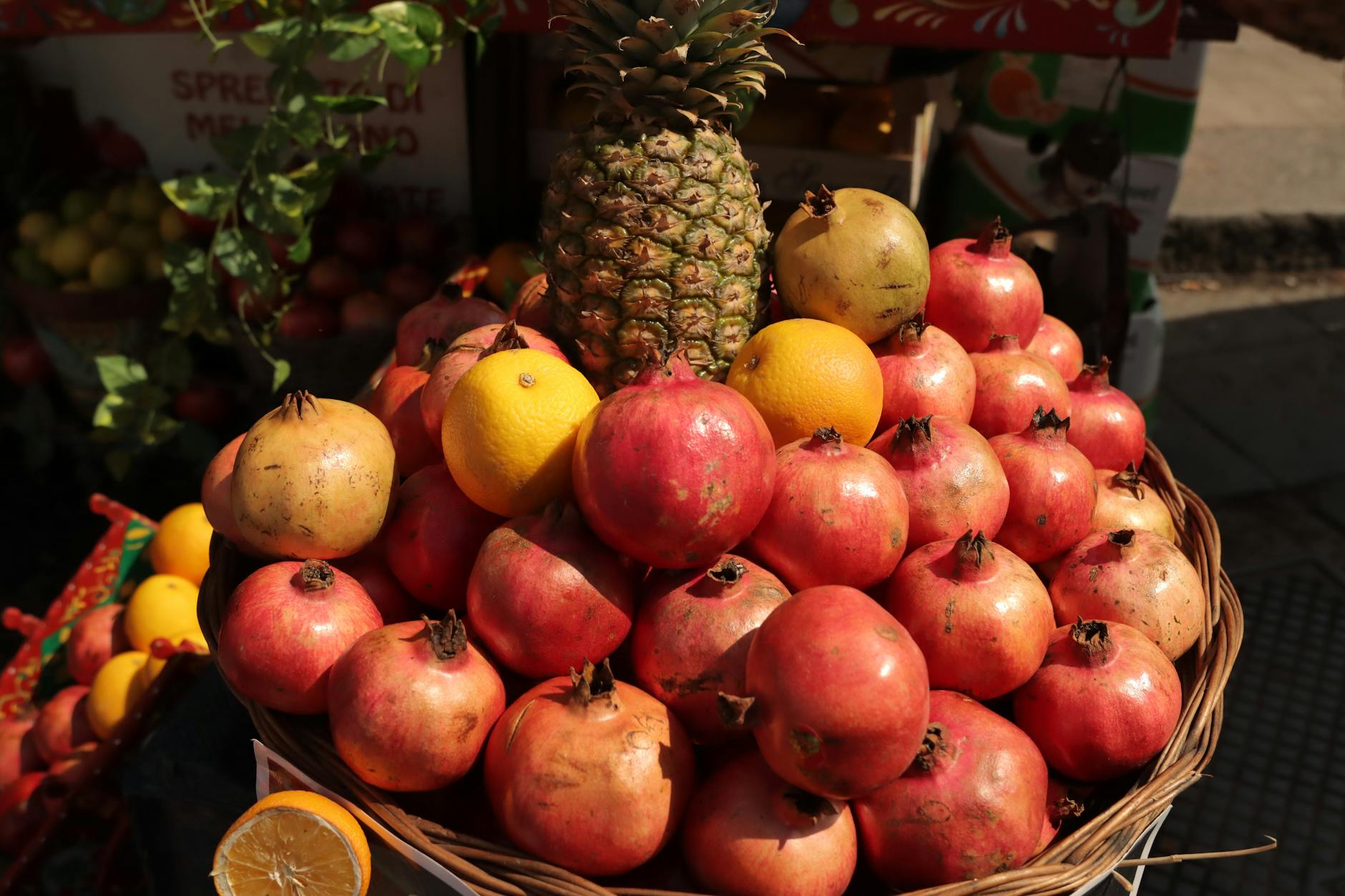
Sicily's capital is chaotic, loud, and architecturally bewildering - and that's exactly why it's worth more than a layover.
Read more →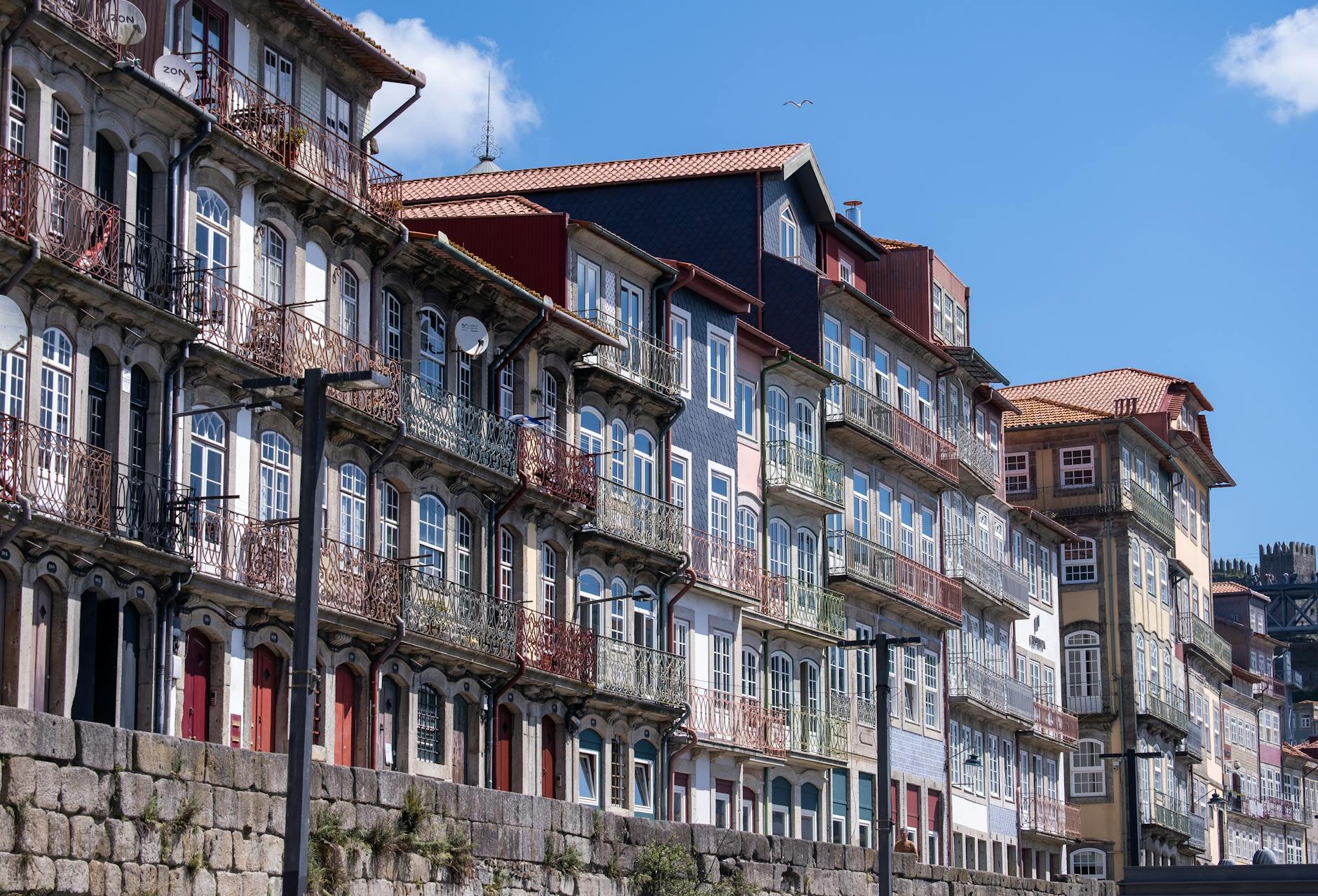
Porto has spent decades being measured against Lisbon. That rivalry is exactly what kept it from being ruined.
Read more →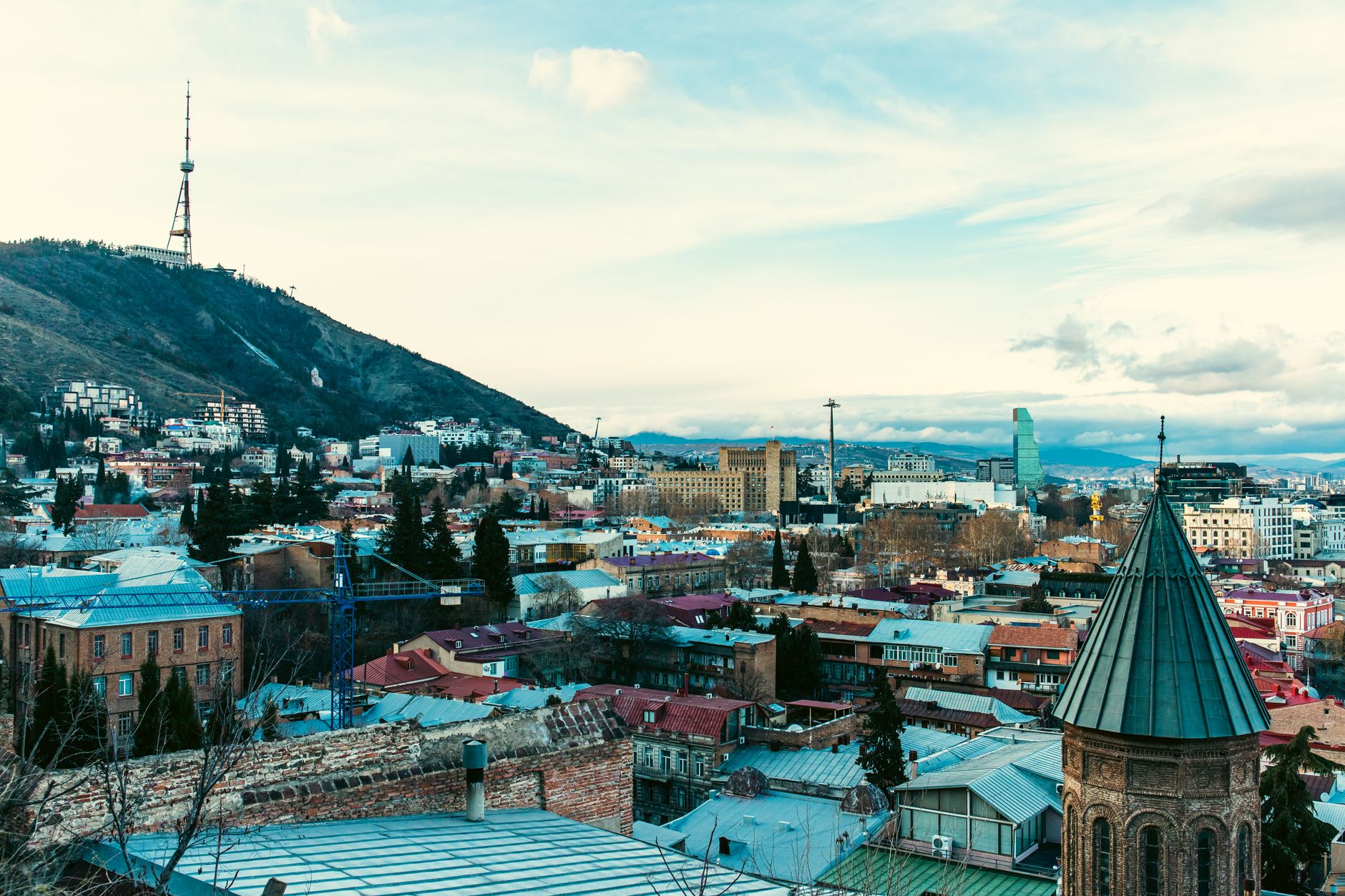
Most visitors spend two days in Tbilisi and leave thinking they've seen it. They haven't even started.
Read more →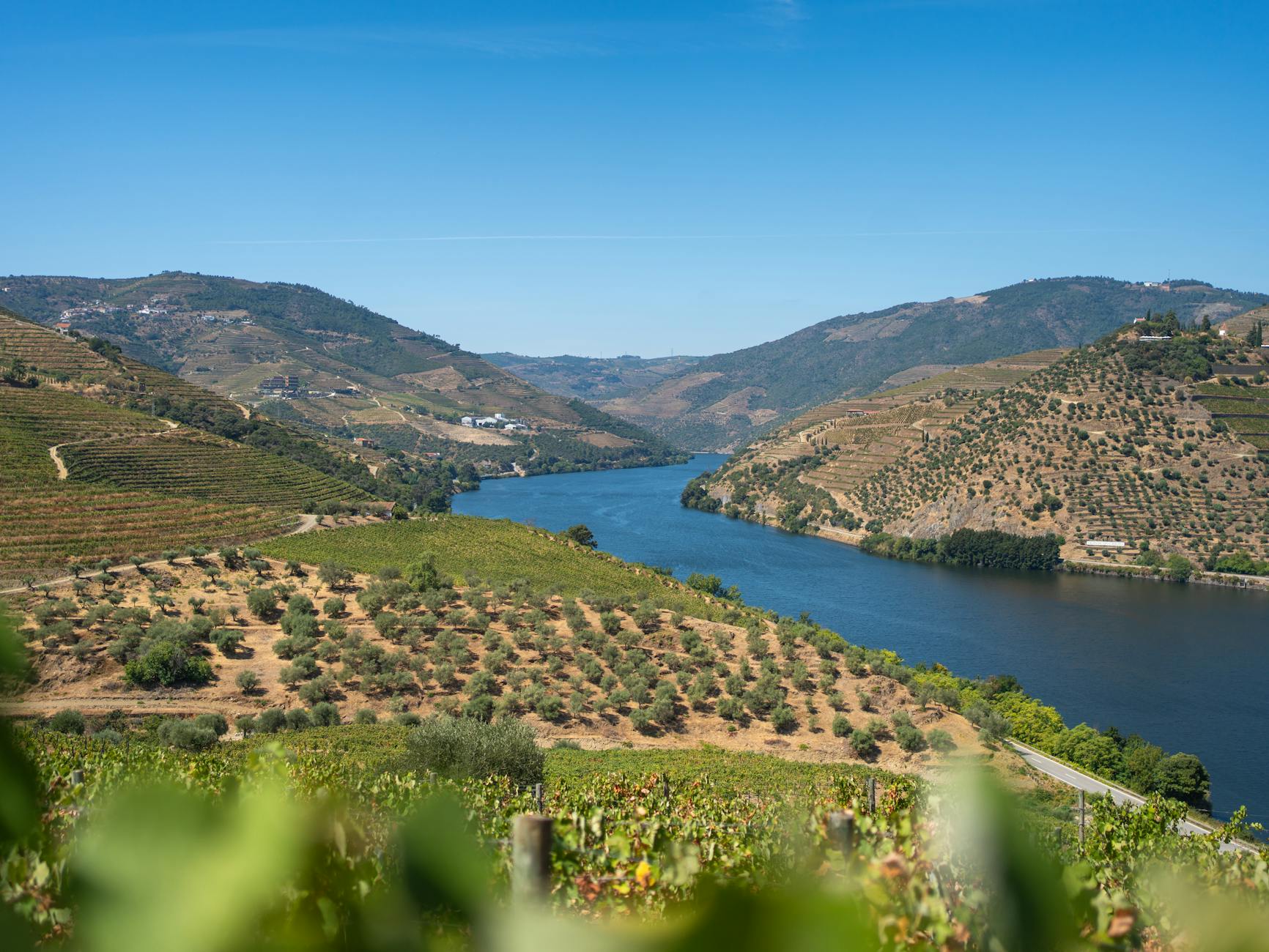
Portugal's wine country looks stunning from a cruise ship, but the old narrow-gauge railway above the river sees almost none of that tourist traffic.
Read more →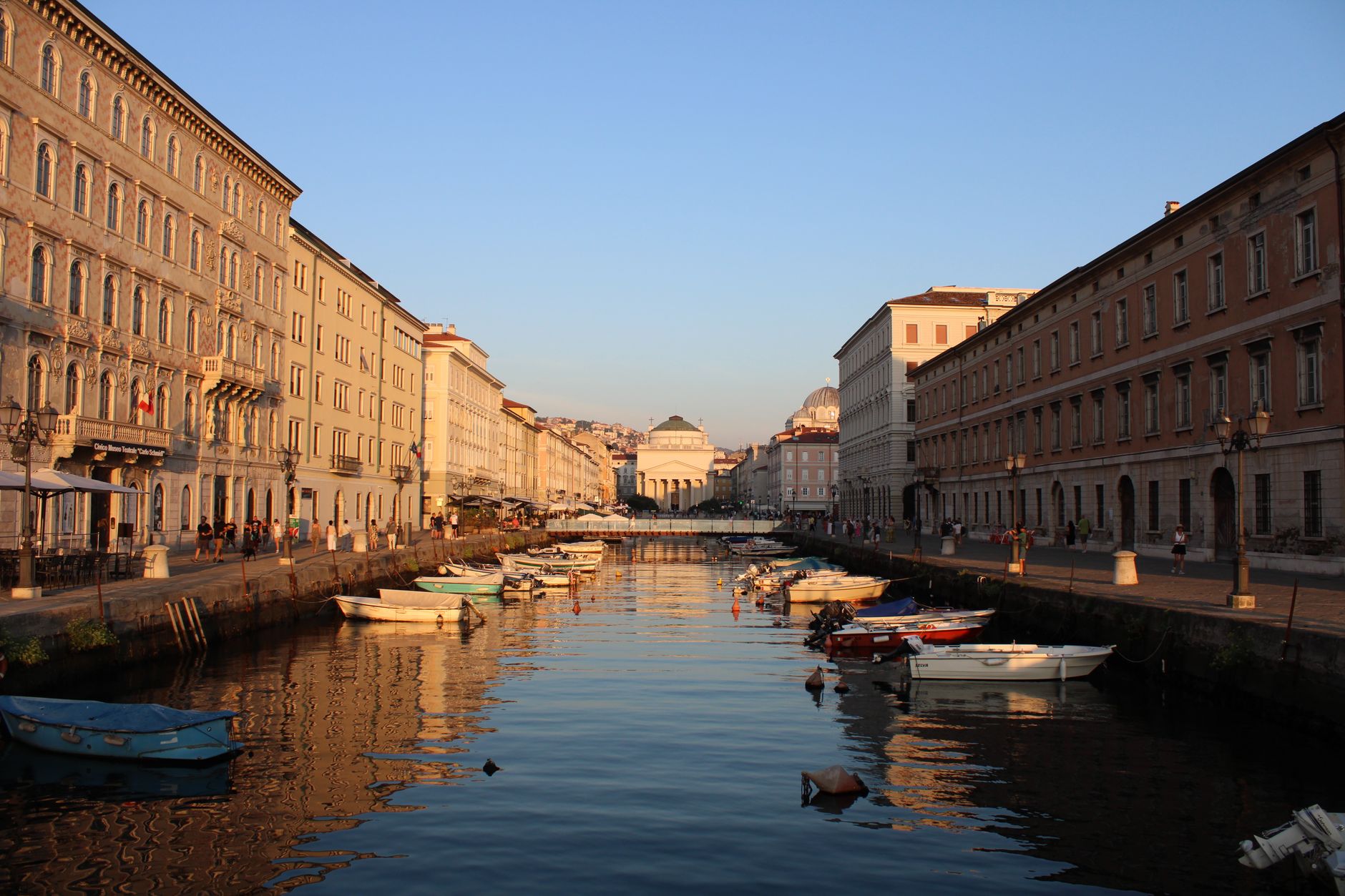
Trieste sits at the edge of Italy, caught between Austro-Hungarian grandeur and the Adriatic - and most travellers pass straight through it.
Read more →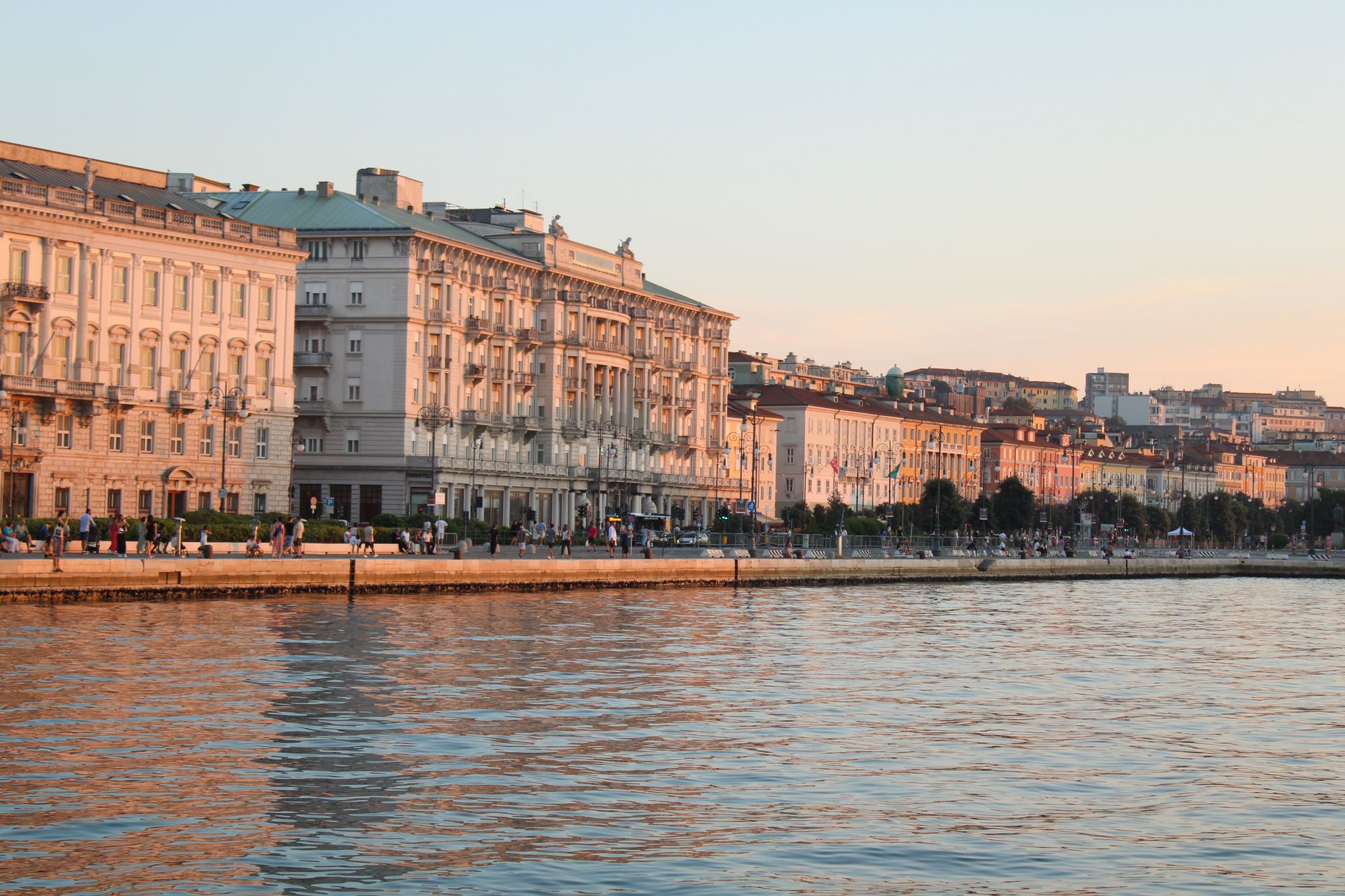
Trieste feels more like a faded Habsburg port than an Italian city - and that's precisely what makes it worth the detour.
Read more →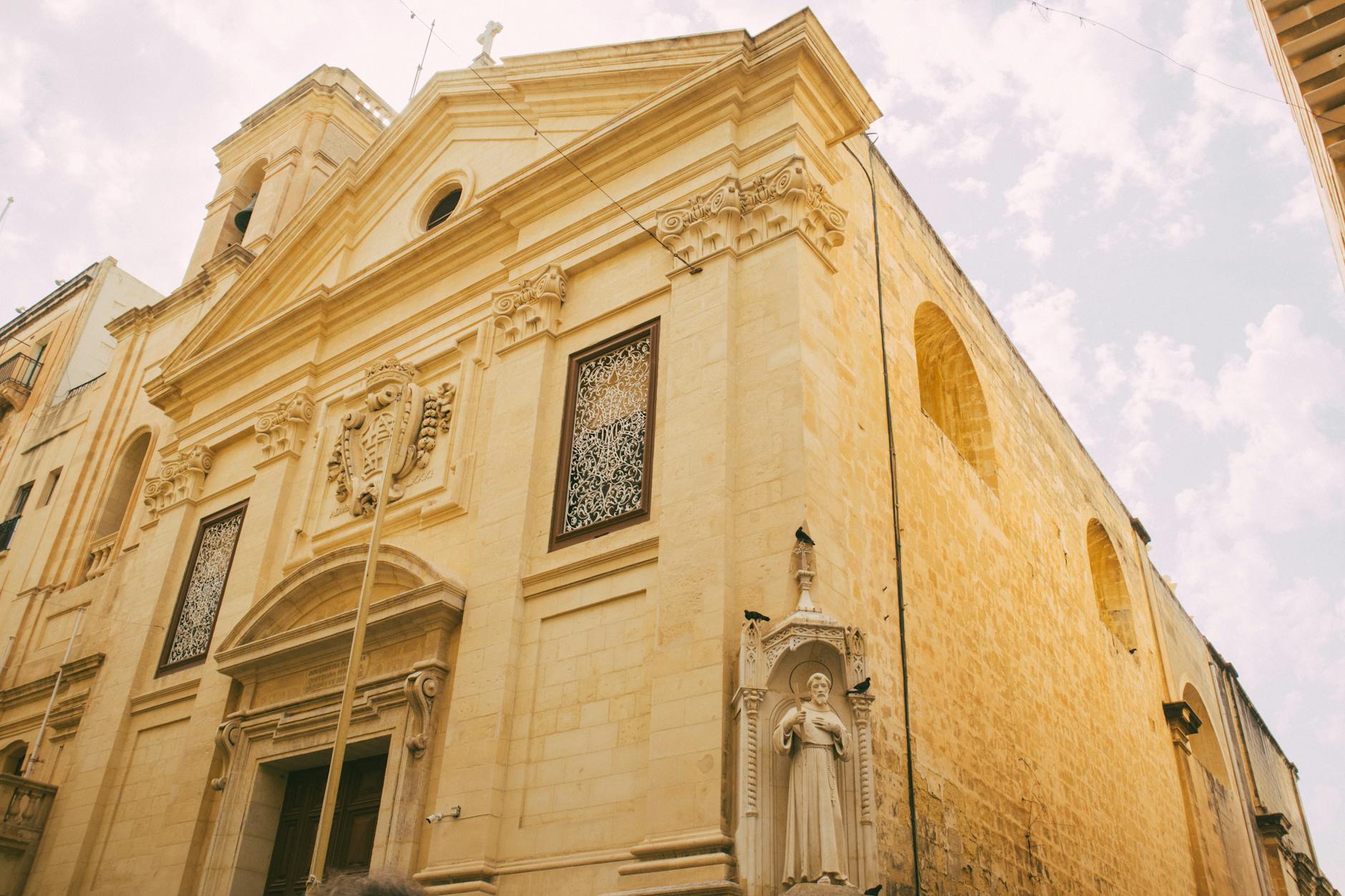
Malta's capital is the smallest in the EU - and that compression is exactly what makes it work.
Read more →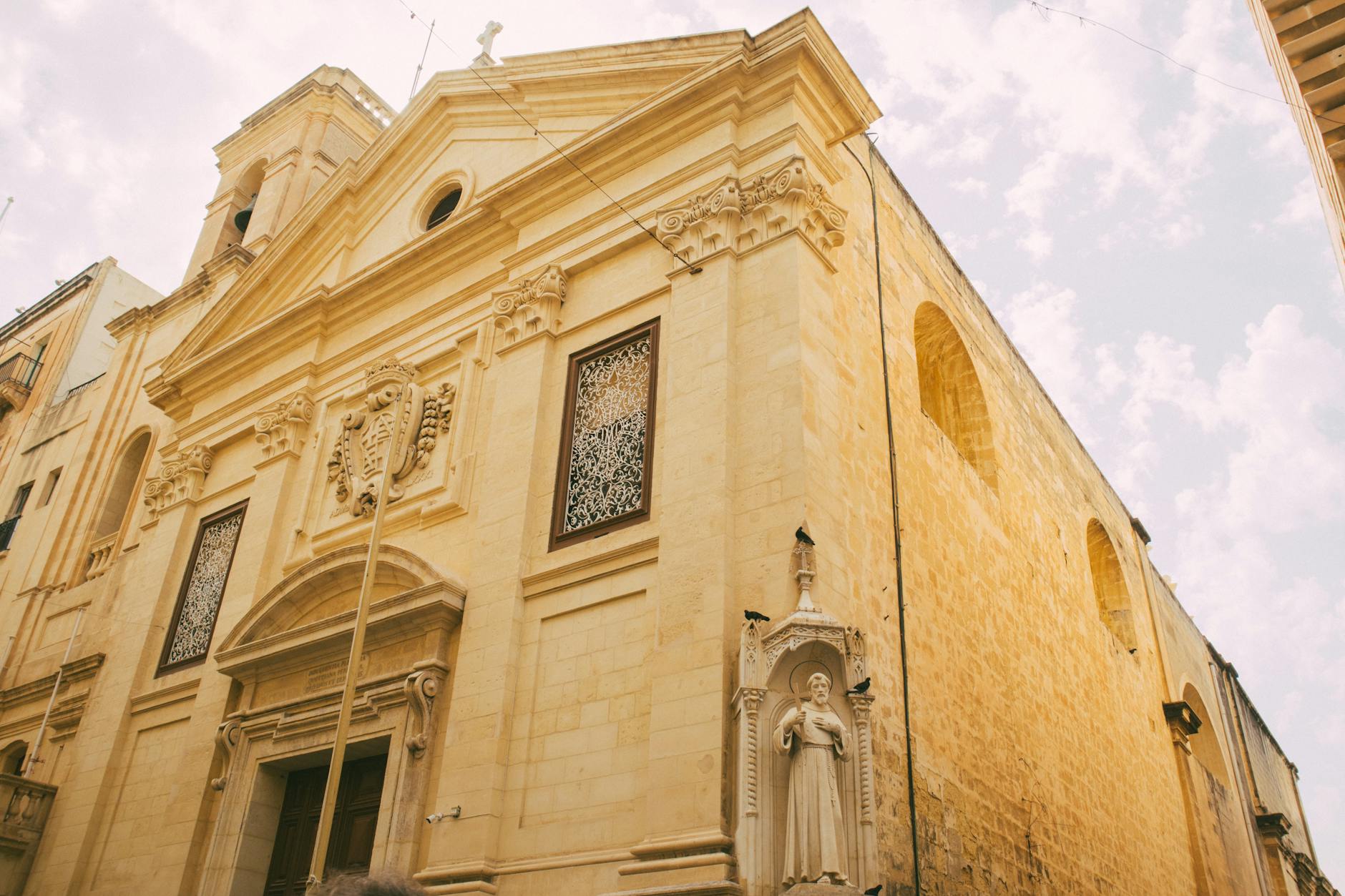
Malta's capital fits inside about half a square kilometre. Most visitors treat it as a day trip. They're missing the point entirely.
Read more →