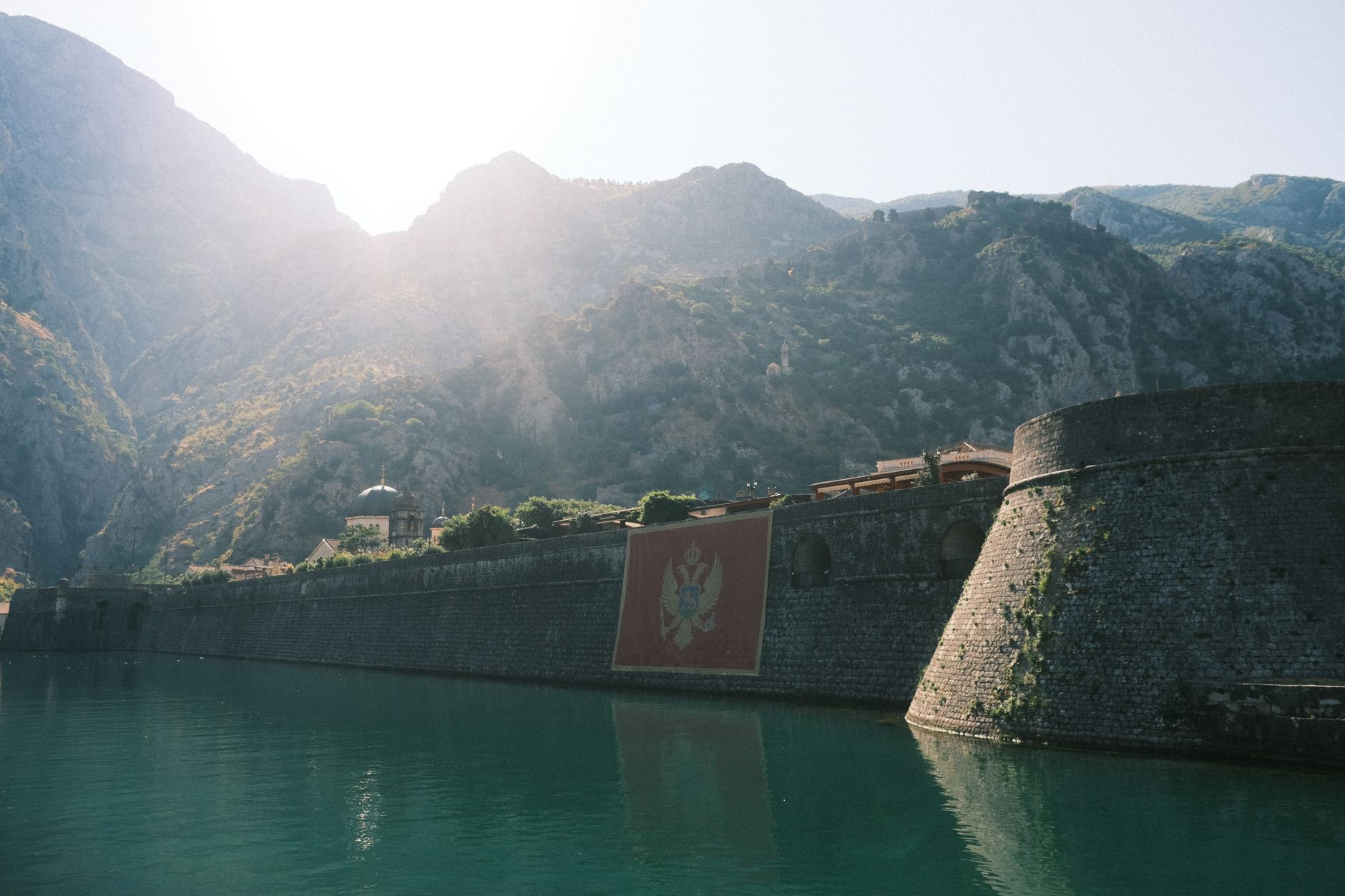
Most people who visit Kotor spend their time inside the Old Town, which is reasonable - it’s a well-preserved medieval walled city on a Adriatic bay, and the stone lanes and cat-crowded squares are genuinely worth an afternoon. But the walls themselves, the ones you can see climbing the mountain directly above the town, get treated as backdrop rather than destination. That’s a mistake.
The fortification system running up to the Fortress of St. John dates to the Venetian period, though parts are older. It climbs roughly 1,350 steps from the Old Town’s north gate to the top - about 260 metres of vertical gain. The path is uneven, often steep, and completely without shade for long stretches. In July or August, starting after 9am is a genuine error in judgement.
The entrance fee is charged at the base gate. At the top, the fortress walls are partially ruined, and there’s no dramatic interior to explore - just open sky, loose stone, and an almost absurd view of the Bay of Kotor below. The bay is technically a drowned river canyon rather than a true fjord, which explains the way the water bends and disappears behind successive mountain ridges. From street level you can’t fully read that geometry. From up here, the whole shape of the place becomes legible.
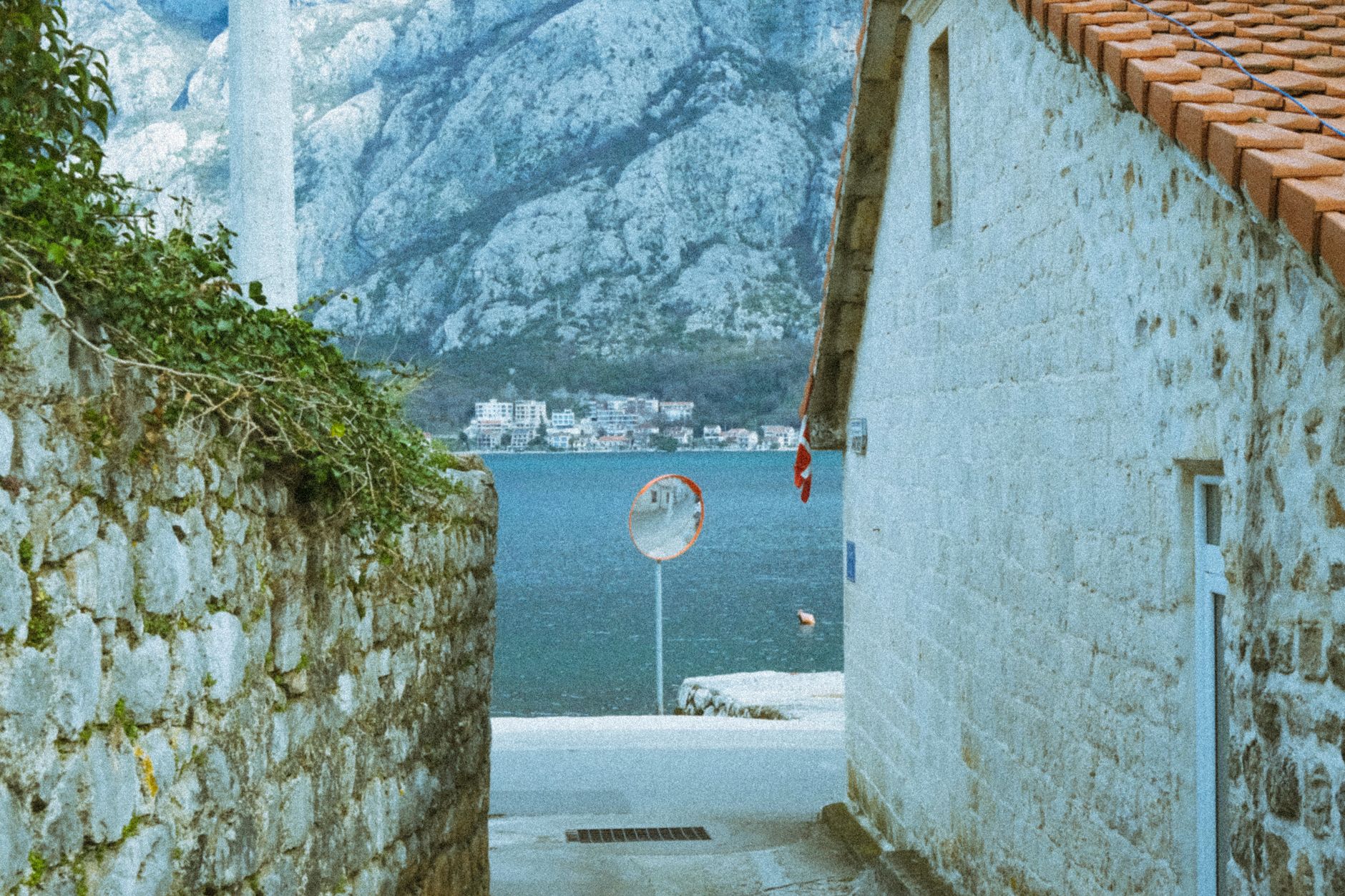
The climb takes between 45 minutes and two hours depending on pace and how often you stop. The stops are worth it - not just for breath, but because the town below changes character at different heights. At mid-point you’re level with the rooftops; the orange tiles and satellite dishes create a different picture than the curated ground-level view most travel photography uses.
There are small rest spots and a chapel partway up. Neither requires more than a few minutes.
Kotor gets crowded in summer, partly because cruise ships dock within walking distance of the Old Town gates. The walls thin that crowd dramatically - most day-trippers from ships don’t climb. By mid-morning on a July weekday, the Old Town squares can feel genuinely packed; the upper sections of the wall path are quiet by comparison.
If you’re spending a night in Kotor rather than passing through, the climb at dusk is different again. The light on the bay in the hour before sunset does things that are difficult to photograph accurately and easy to remember.