Porto has spent decades being measured against Lisbon. That rivalry is exactly what kept it from being ruined.
Lisbon got the tech money, the digital nomad cafés, the rooftop bars with cover charges, and the Airbnb density that turned whole neighbourhoods into walking luggage corridors. Porto watched all of this happen from 300 kilometres north and, largely, didn’t replicate it. The city still has working tascas where the daily special is written on a chalkboard and costs under eight euros. It still has tile-fronted buildings in genuine disrepair, not the curated faux-decay kind.
The Ribeira Is Touristy. Stay Anyway.
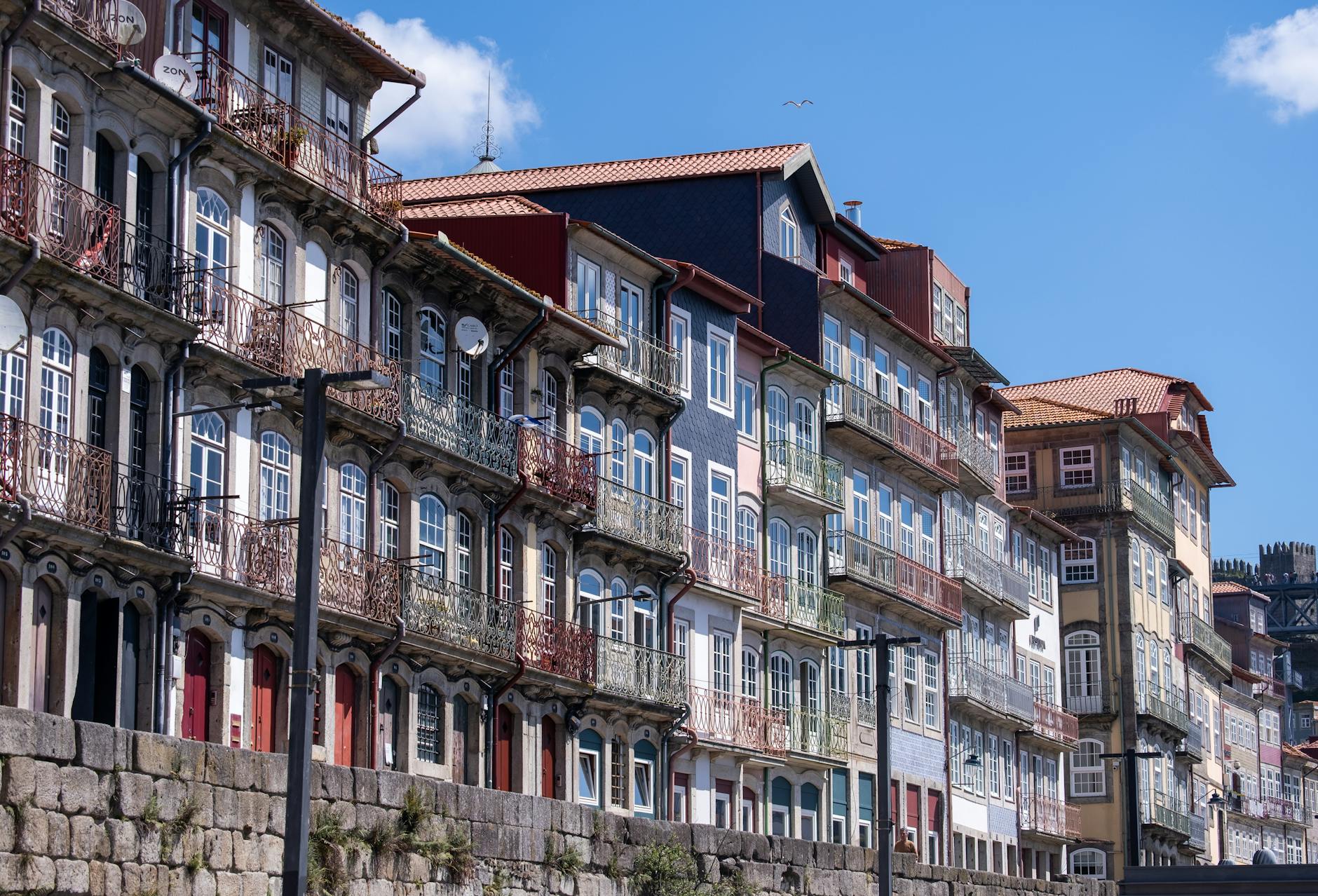
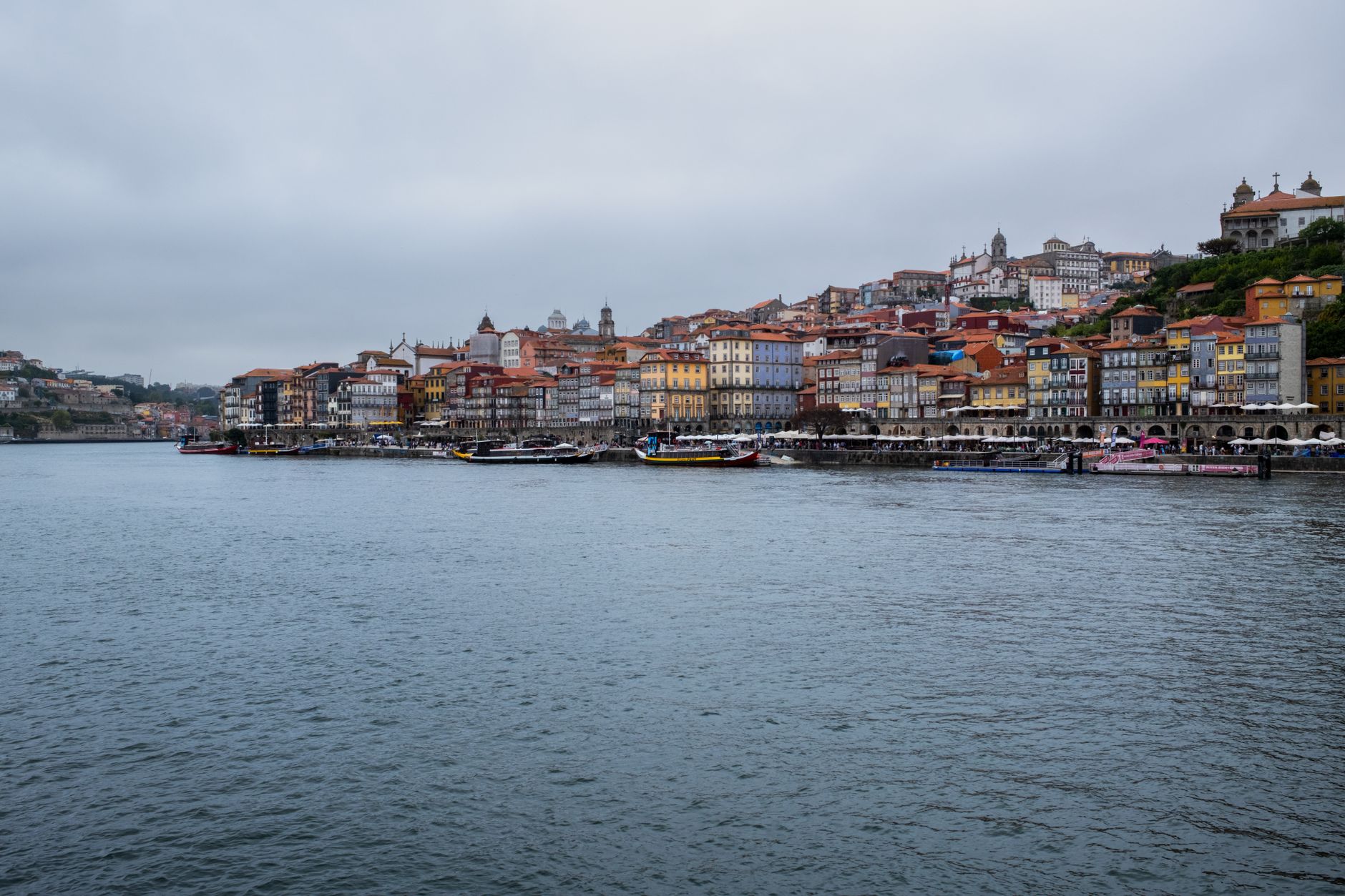
The advice to avoid Porto’s riverside district because it’s crowded misses the point. The Ribeira is crowded because it is genuinely beautiful - stacked medieval houses dropping to the Douro, the Dom Luís I bridge spanning both levels of the city at once, the port wine lodges across the river in Vila Nova de Gaia visible from almost anywhere you stand. Being tourist-heavy doesn’t cancel out being worth seeing. Eat somewhere else, but don’t skip the walk.
The better food is uphill. Bonfim, the neighbourhood east of the centre, has been absorbing younger residents and a handful of restaurants that don’t post hours on Instagram. Rua de Serpa Pinto and the streets around it reward wandering in the early evening when places are just opening.
What the Port Wine Caves Actually Are
Vila Nova de Gaia, the city directly across the Douro, holds the lodges where port wine has been aged and stored since the 17th century. The trade arrangement - wine made in the Douro Valley, then shipped downriver and matured here in the cooler Atlantic-influenced air - shaped both cities’ economies for centuries. Most of the major houses (Graham’s, Taylor’s, Sandeman) offer cellar tours that are genuinely informative rather than purely commercial, though booking ahead matters in summer. A tasting of a 20-year-old tawny in an actual barrel warehouse is a different experience from ordering port at a bar.
Getting the Timing Right
June in Porto means Festa de São João on the night of the 23rd - the city’s biggest annual celebration, where locals wander the streets hitting each other over the head with plastic hammers and leeks. It sounds absurd and it is, but it’s also one of the more genuinely participatory street festivals in southern Europe. Hotels fill early; the 23rd itself is not the night to arrive without a booking.
The city is at its least crowded in February and March. Cooler, occasionally wet, but the light on the Douro on a clear winter morning is something Lisbon, for all its advantages, doesn’t have.