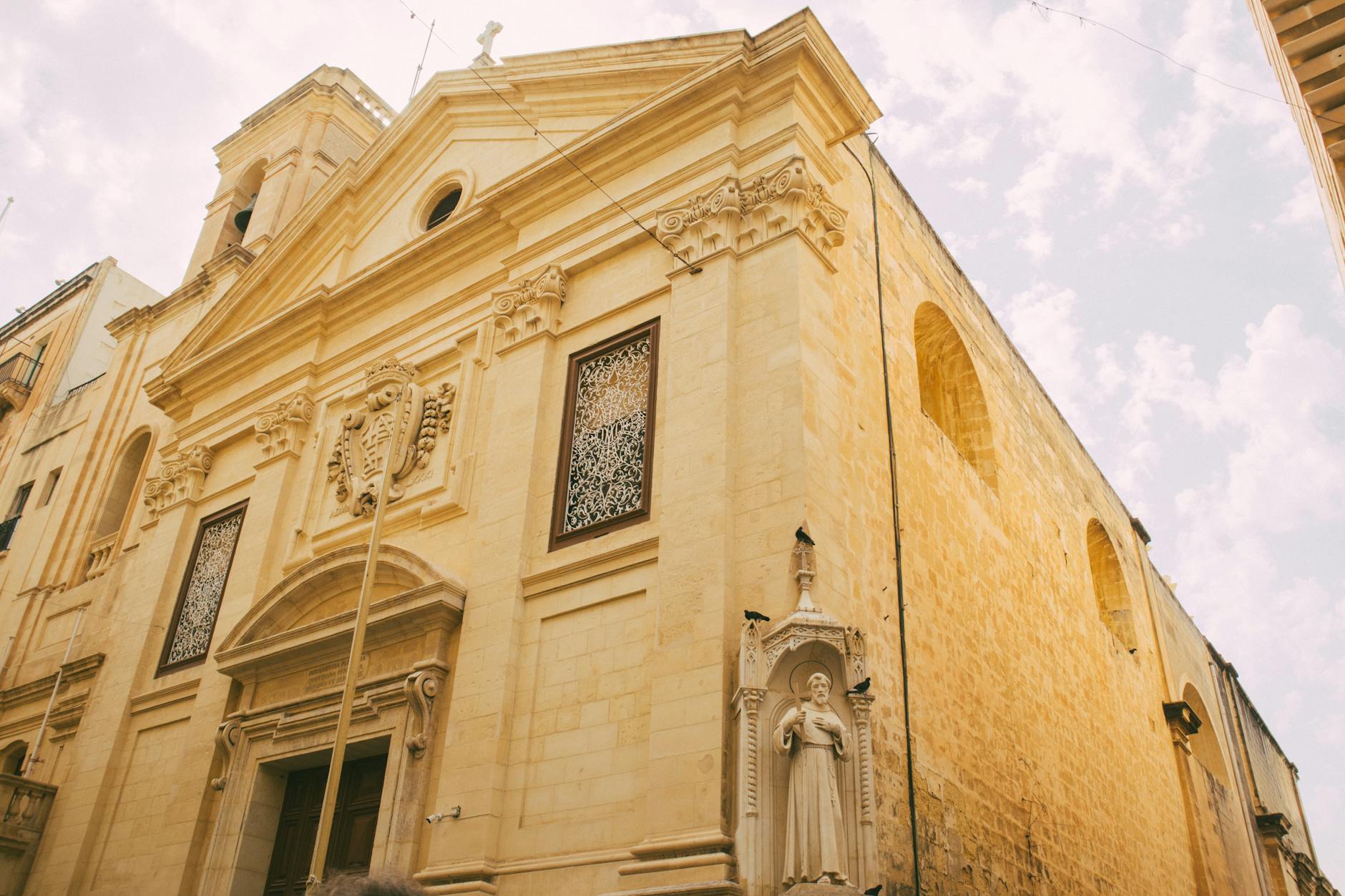
Valletta has a population of around 6,000 people - fewer than some apartment complexes in Berlin or Madrid. It is, by area, one of the smallest capital cities in the European Union. First-time visitors often arrive expecting a city and leave thinking they’ve seen a film set. That misread is understandable, but it costs them the actual experience.
The city was built by the Knights of St John in the 16th century and completed with unusual speed, which is part of why it feels so coherent. The grid street plan, the honey-coloured limestone, the gallariji - those enclosed wooden balconies jutting from almost every facade - none of it is decorative pastiche. It was all functional and it all happened at once, more or less. What looks like theatre is actually just good urban planning from people who knew they were building a fortress.
The Streets That Go Downhill Are the Ones Worth Taking
Valletta sits on a narrow peninsula and the terrain drops sharply on both sides of the main spine, Republic Street. Most tourists stick to that central axis, moving between St John’s Co-Cathedral and the Upper Barrakka Gardens, which is fine but leaves out the texture. The streets running perpendicular - particularly those descending toward the Marsamxett Harbour on the northwest side - are quieter, steeper, and noticeably less polished. A few are still residential in the way that feels accidental rather than curated. That quality is becoming rarer across Southern European capitals.
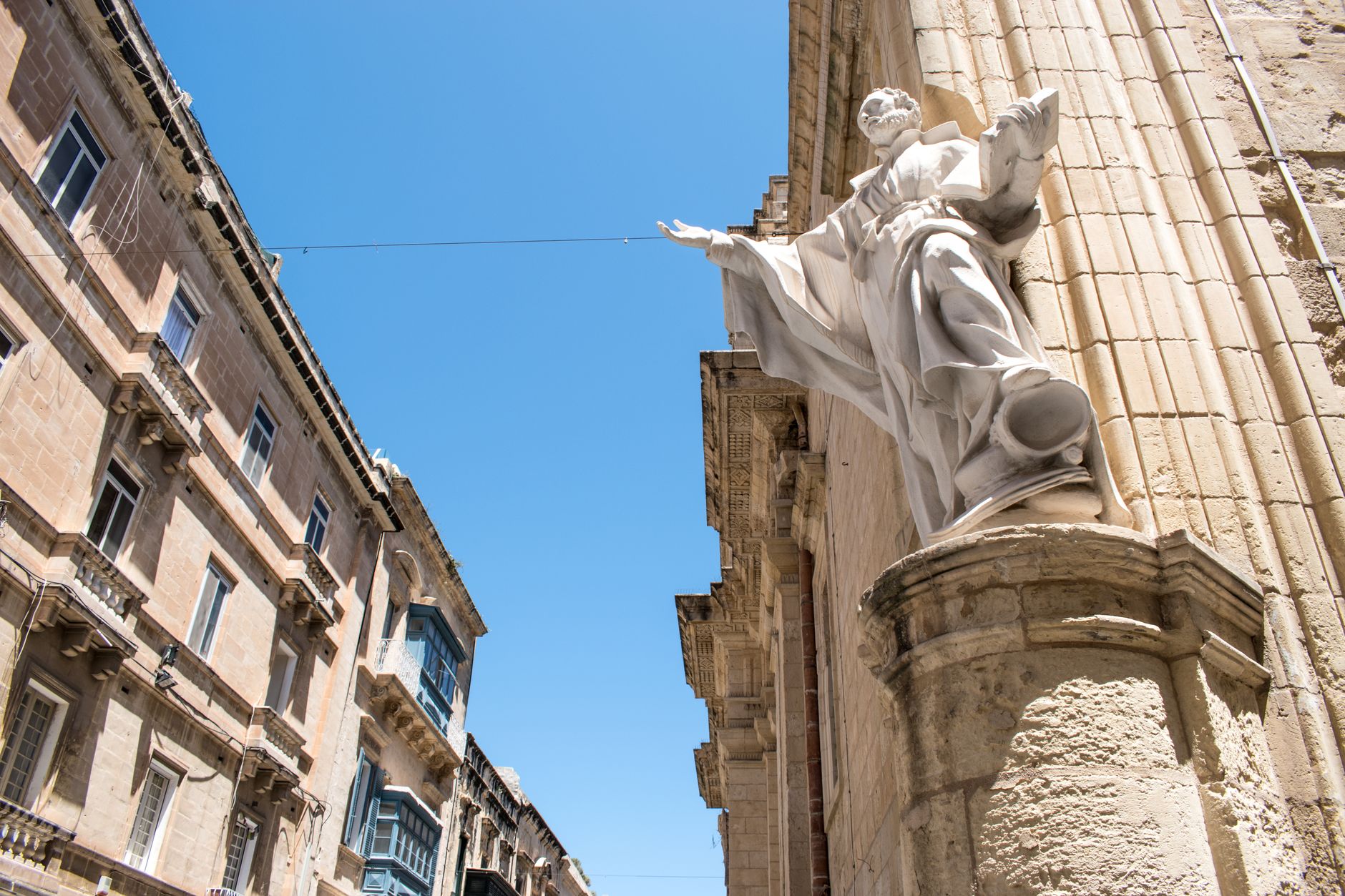
St John’s Co-Cathedral is worth the entry fee on the basis of Caravaggio’s The Beheading of Saint John the Baptist alone. It’s the largest painting he ever made and the only work he signed - in the blood of the painted figure, according to art historians. The rest of the cathedral interior is relentlessly ornate in a way that exhausts the eye, which makes the Caravaggio room feel like stepping into a different conversation entirely.
An Evening Here Changes the Calculus
Most day-trippers are gone by late afternoon. The light on the limestone after 6pm in summer is genuinely different from midday - warmer, less harsh, and the streets are mostly empty. Staying one night in Valletta rather than commuting from Sliema or St Julian’s rewrites what kind of place it feels like.
The accommodation options inside the walls are limited and skew toward boutique hotels converted from townhouses. They are not cheap relative to the rest of Malta. But the alternative is experiencing Valletta as a thumbnail of itself, which is a strange trade-off given how small it already is.