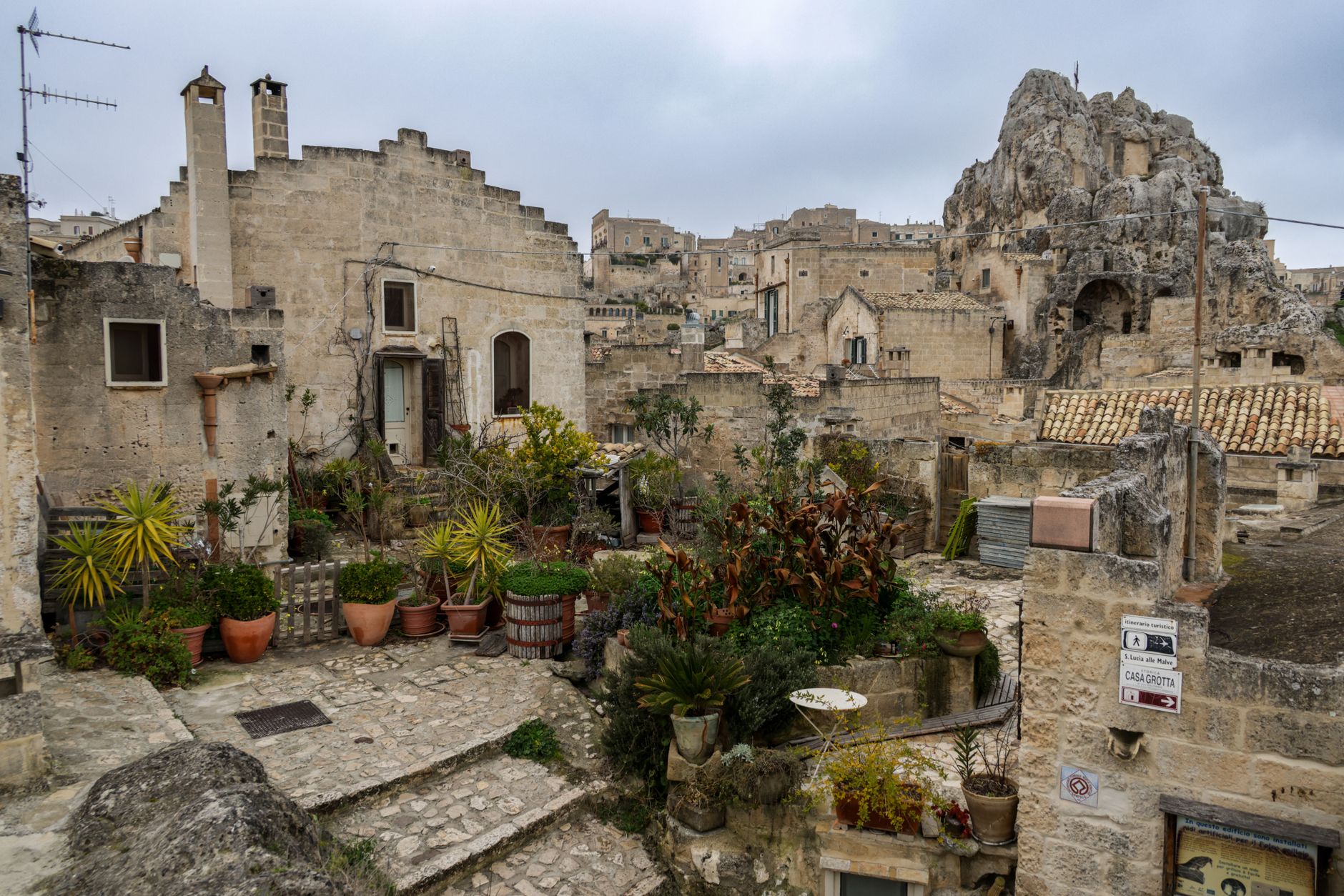
Most people arrive in Matera as an afterthought - a side trip from Bari or a single night bolted onto a southern Italy swing. They see the sassi, take the photograph from the belvedere on the opposite ridge, eat somewhere near the main piazza, and leave. That’s a reasonable way to see a postcard. It’s not a reasonable way to see Matera.
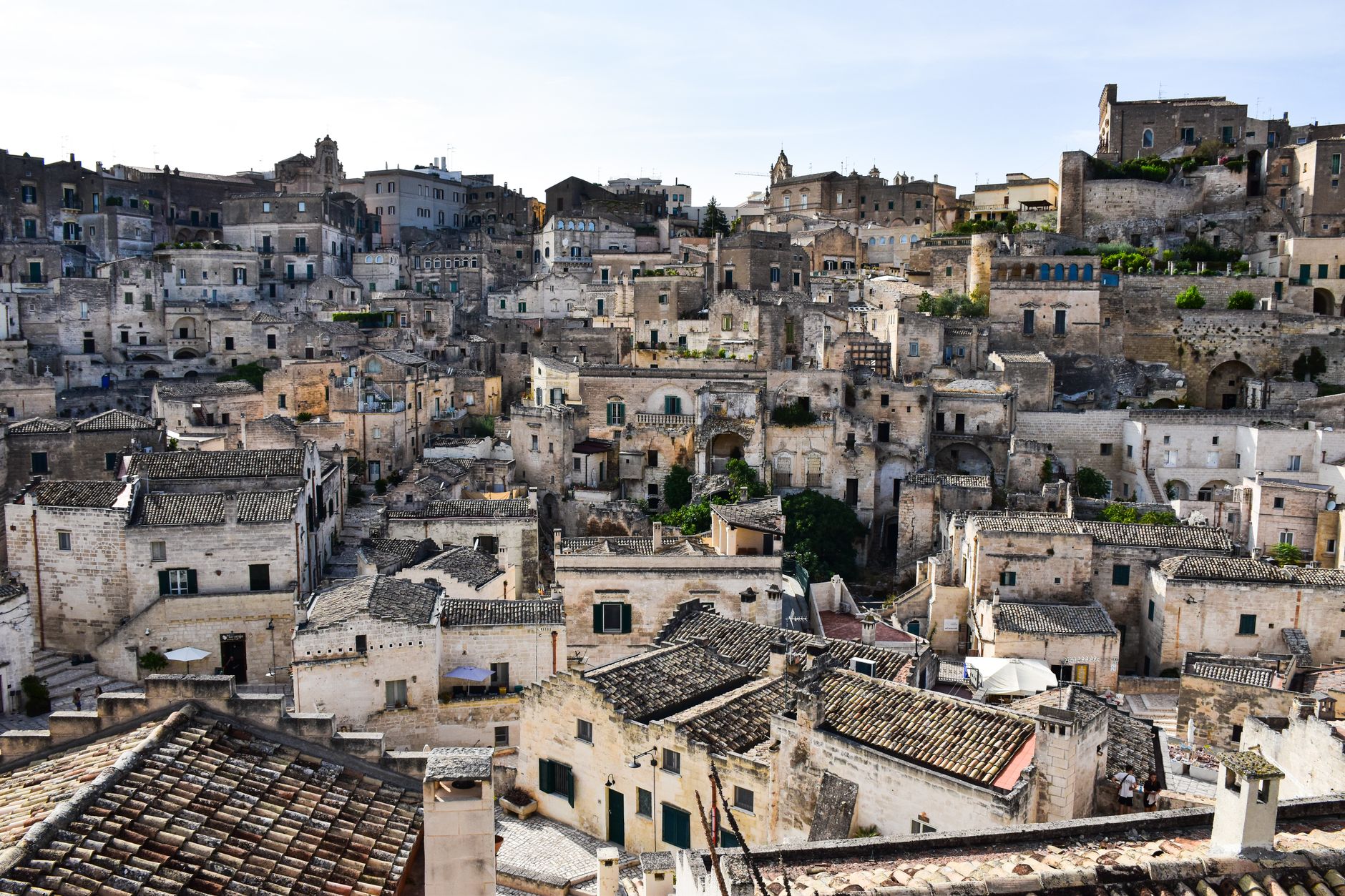
The sassi - the two districts of cave dwellings carved into the ravine walls of the Gravina di Matera - are not a ruin. People lived in them continuously until the Italian government forcibly relocated residents in the 1950s, considering the conditions a national embarrassment. Families kept livestock in the front section of cave homes, children were born and raised underground, and whole neighbourhoods functioned as a layered, vertical city long before that word became a planning trend. UNESCO designated the sassi a World Heritage Site in 1993. Since then, a number of the caves have been converted into hotels and restaurants, which makes Matera genuinely unusual: you can sleep inside the same rock that has sheltered people for at least three thousand years.
Staying in the sassi matters because the place reads completely differently at night and in the early morning, once the day-trip coaches have gone. The stone holds warmth in the evening and the ravine goes almost completely silent. What looks dramatic in afternoon light becomes something stranger and quieter after dark - less scenic, more ancient.
The practical details are worth knowing. Matera is in Basilicata, not Puglia, and getting there requires intention. From Bari, there are direct buses run by Flixbus and local operators that take around an hour and a half. There is no direct train. Driving gives the most flexibility but the sassi districts themselves are largely pedestrian - parking is on the rim, and you walk down.
Two nights is the minimum that makes the trip honest. One night is barely enough to decompress from the journey. Three nights lets you walk out to the ancient rock churches cut into the far side of the ravine - the Madonna delle Virtù and the Chiesa di San Nicola dei Greci are accessible on foot - and to eat somewhere decent twice without rushing.
The town has exactly one kind of atmosphere: old, slow, and not particularly concerned with performing for visitors. That’s not a flaw. It’s why the place still has weight.