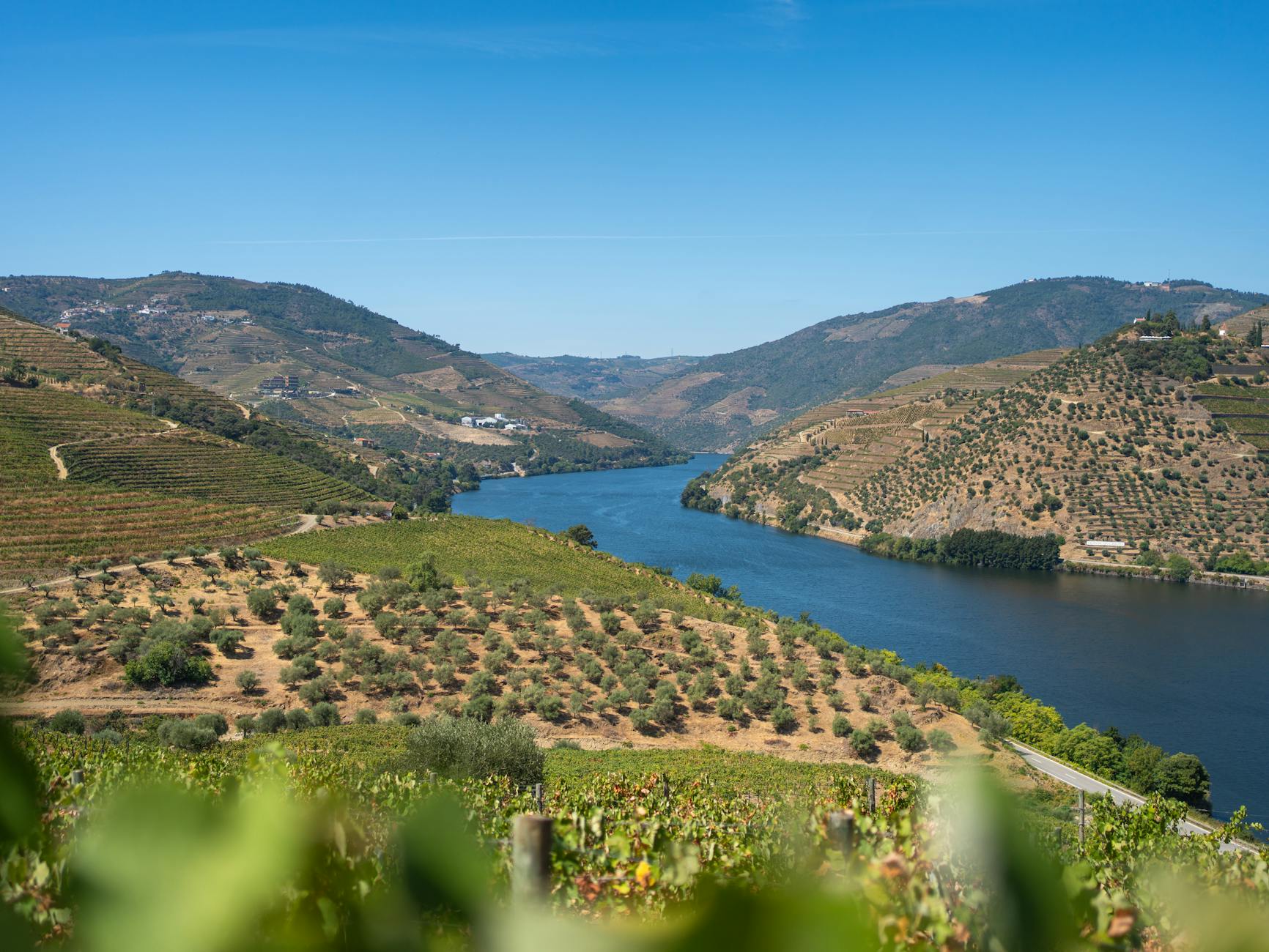
Most people who visit the Douro Valley do it from a boat, floating past terraced quintas while someone explains the difference between tawny and ruby port. It’s a fine way to spend an afternoon. But the Linha do Douro - the railway that follows the river east from Porto all the way to Pocinho near the Spanish border - gives you something the river cruises can’t: the high bank, the back side of the terraces, and almost no one else doing it.
The line splits at Régua, roughly two hours from Porto’s São Bento station. From Régua east toward Pinhão, the track hugs the river so closely that at certain points the train feels like it’s running along the water’s surface. Pinhão station itself is covered in hand-painted azulejo panels depicting harvest scenes - it’s one of the more quietly extraordinary pieces of public art in Portugal, and it sees a fraction of the foot traffic of anything in Lisbon.
The practical detail that most articles skip: there are two very different services on this line. The CP regional trains run the full route but stop constantly and take considerably longer. The historic tourist train - the “Comboio Histórico do Douro” - runs only on weekends between May and October, uses older carriages, and is the one worth booking in advance. It’s not a gimmick. The carriages are genuinely old, the windows open, and the pace makes it easier to photograph the bends in the river without motion blur turning everything to smear.
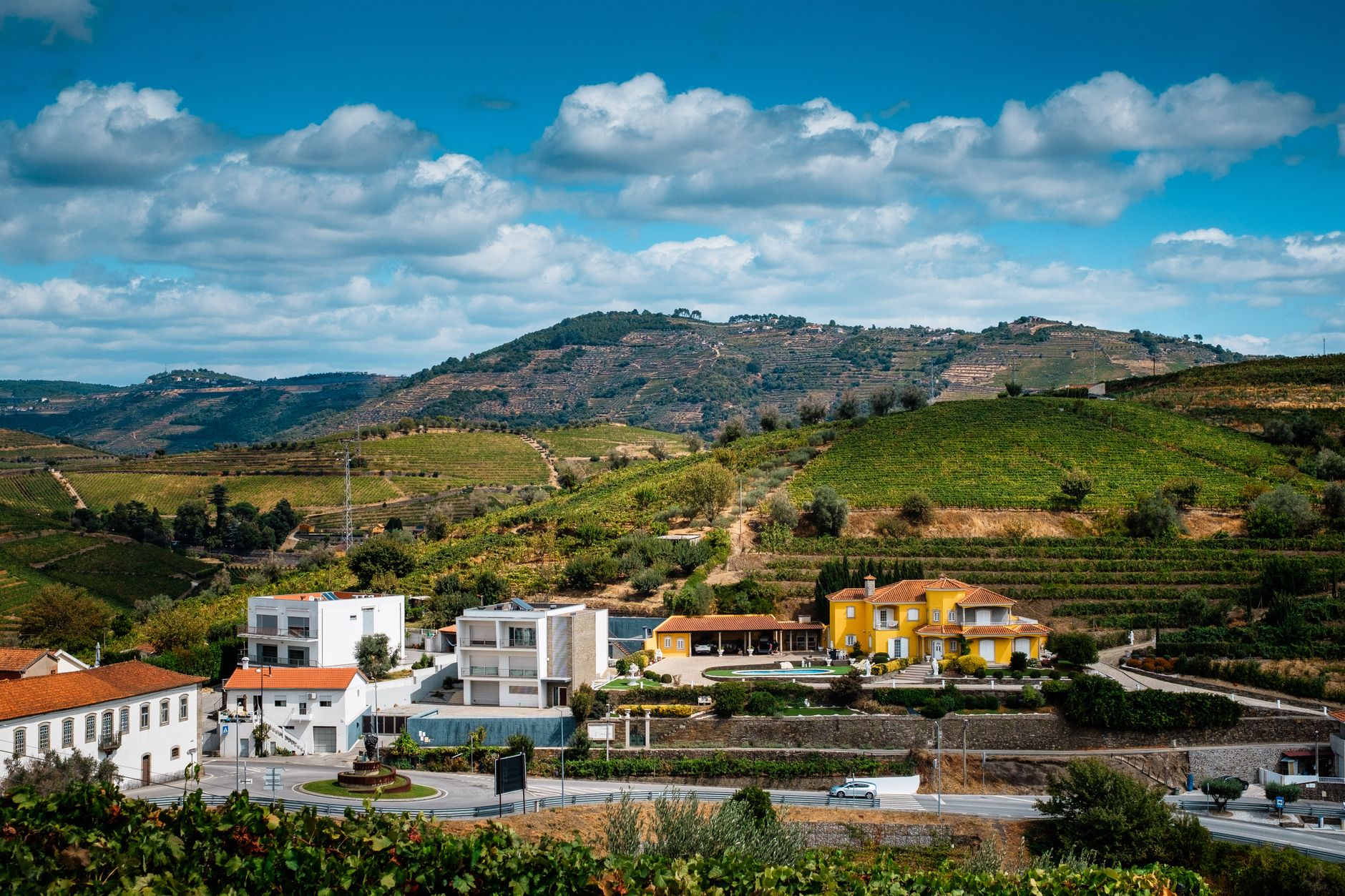
From Pinhão, the village is small enough that arriving by train rather than car tour actually changes the social physics. You’re on foot, you have time, and the quintas closest to the station - Ramos Pinheiro, Quinta do Crasto, several others - are walkable without a guide or a booking. Some offer tastings to walk-ins; not all, but enough.
Going further east toward Tua and Pocinho, the landscape gets drier and less visited. The Côa Valley and its prehistoric rock engravings are accessible from Vila Nova de Foz Côa, which sits near the end of the line. Most Douro visitors never make it this far, which is their loss and your gain.
The round trip from Porto to Pinhão and back is achievable in a long day, but Régua makes a better base if you want two days on the river without sleeping on a boat.