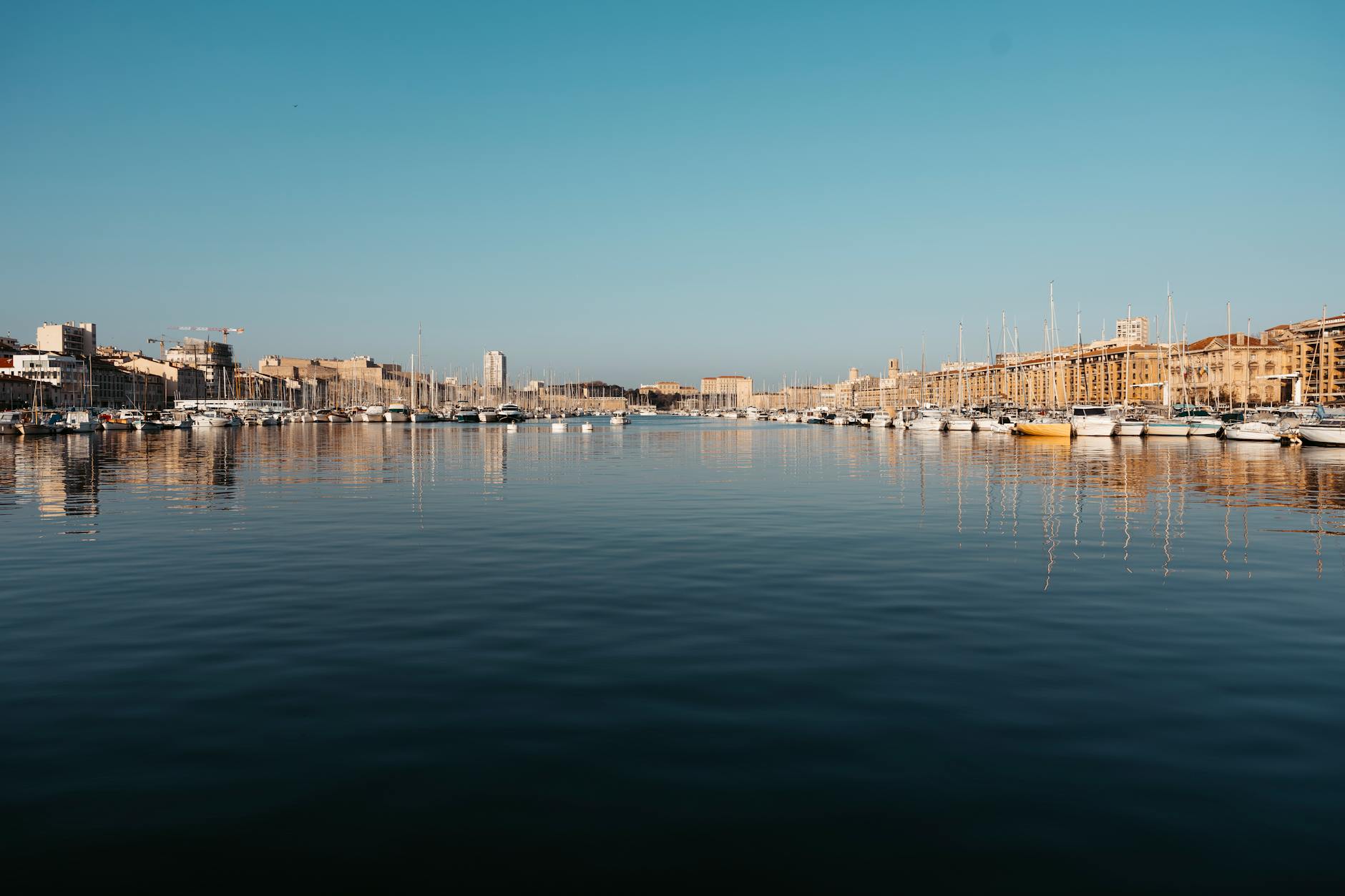
Marseille has a PR problem that it mostly doesn’t deserve. The warnings circulate reliably - pickpockets, rough neighborhoods, nothing worth seeing beyond the port - and they keep the cautious traveller on the TGV to Nice or Lyon. That’s a mistake.
The city sits on the Mediterranean in a way that feels earned rather than decorative. The Vieux-Port is functional first, scenic second: fishing boats unload early in the morning, and the fish market on the quai des Belges runs daily. The bouillabaisse you’ll find in the restaurants lining the port is expensive and, at the better places, genuinely worth it - the dish originated here, and the version served in most of France is a simplified imitation.
The Calanques Settle the Argument
The national park that begins at the city’s southern edge is the clearest reason Marseille outranks its reputation. The Calanques are a series of steep limestone inlets dropping into water that runs from pale green to deep blue depending on depth. You can reach Calanque de Sormiou or Calanque de Morgiou by bus and foot from the city - no car required, though the walk down is steep and the walk back up is steeper. In summer, access to some inlets is restricted due to fire risk, so checking the official Parc National des Calanques website before you go is not optional.
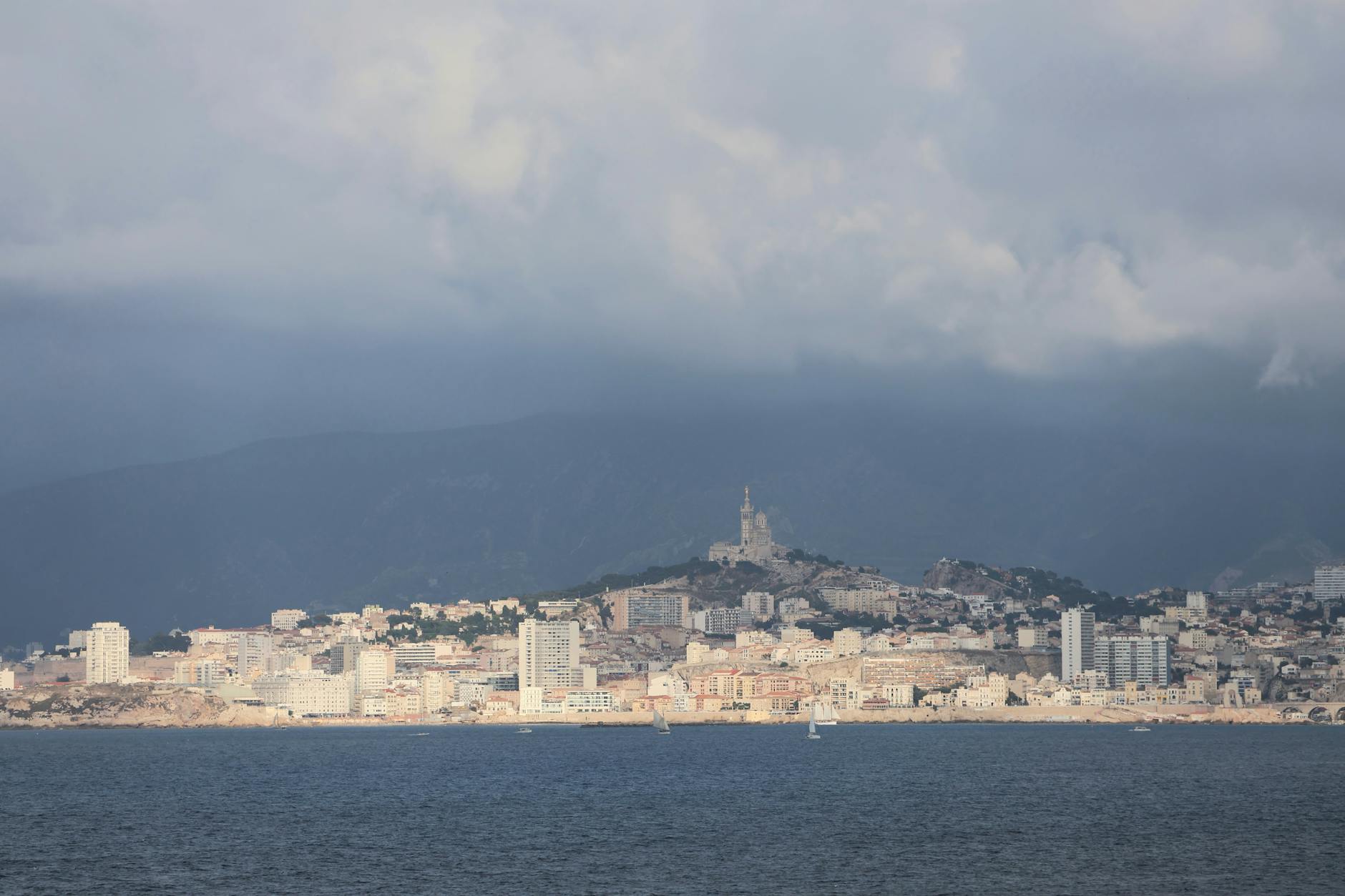
Le Panier Rewards Slow Walking
The oldest neighborhood in Marseille - some accounts place its origins with Greek settlers around 600 BCE - is compact, hilly, and genuinely unpolished. Boutiques and studios share lanes with laundry lines and cats. The MuCEM, the museum of European and Mediterranean civilisations that opened in 2013, sits just below it at the edge of the port. The building itself, a cube of lace-patterned concrete connected to a 17th-century fort by a narrow footbridge, is worth the entrance fee on architecture alone.
Getting There and Around
Marseille-Provence Airport connects to major European hubs, and TGV trains from Paris Gare de Lyon reach Saint-Charles station in roughly three hours. The metro covers the centre adequately, but the Calanques and the corniche road along the southern coast require either bus lines or walking. The city is walkable in the centre but large enough that expecting to cover it all on foot will wear you out by day two.
Marseille doesn’t soften itself for visitors, and that’s exactly the point. It’s a working port city that has been continuously inhabited for over two and a half millennia. The grit is part of the record.