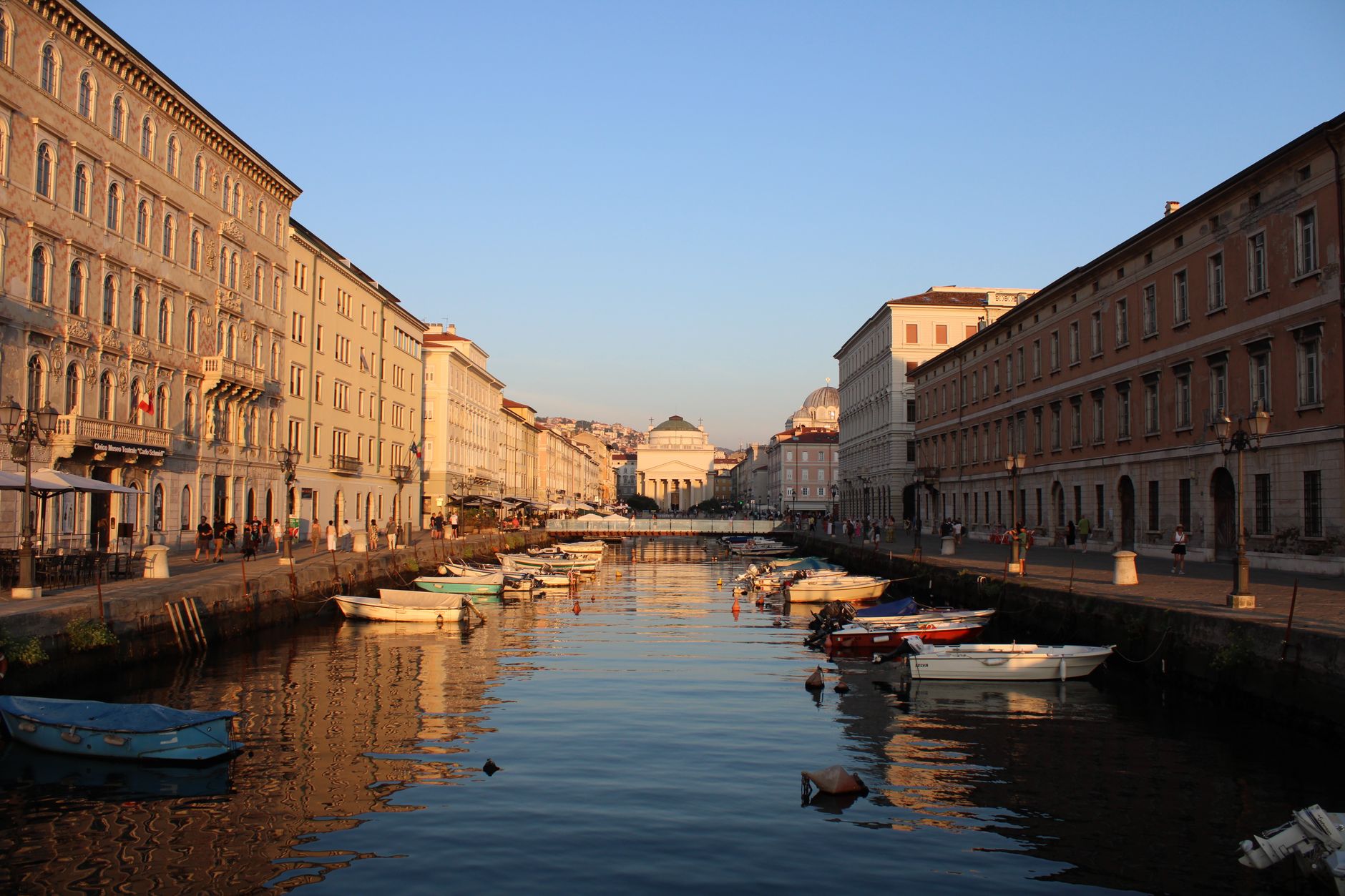
Most people treat Trieste as a logistical footnote - a dot between Venice and Ljubljana, somewhere to change trains or catch a ferry toward Croatia. That’s a mistake worth examining, because Trieste is one of the most atmospherically strange cities in Europe, and it rewards a slow couple of days in a way that few places this size can.
The City That Belonged to Austria Until 1920
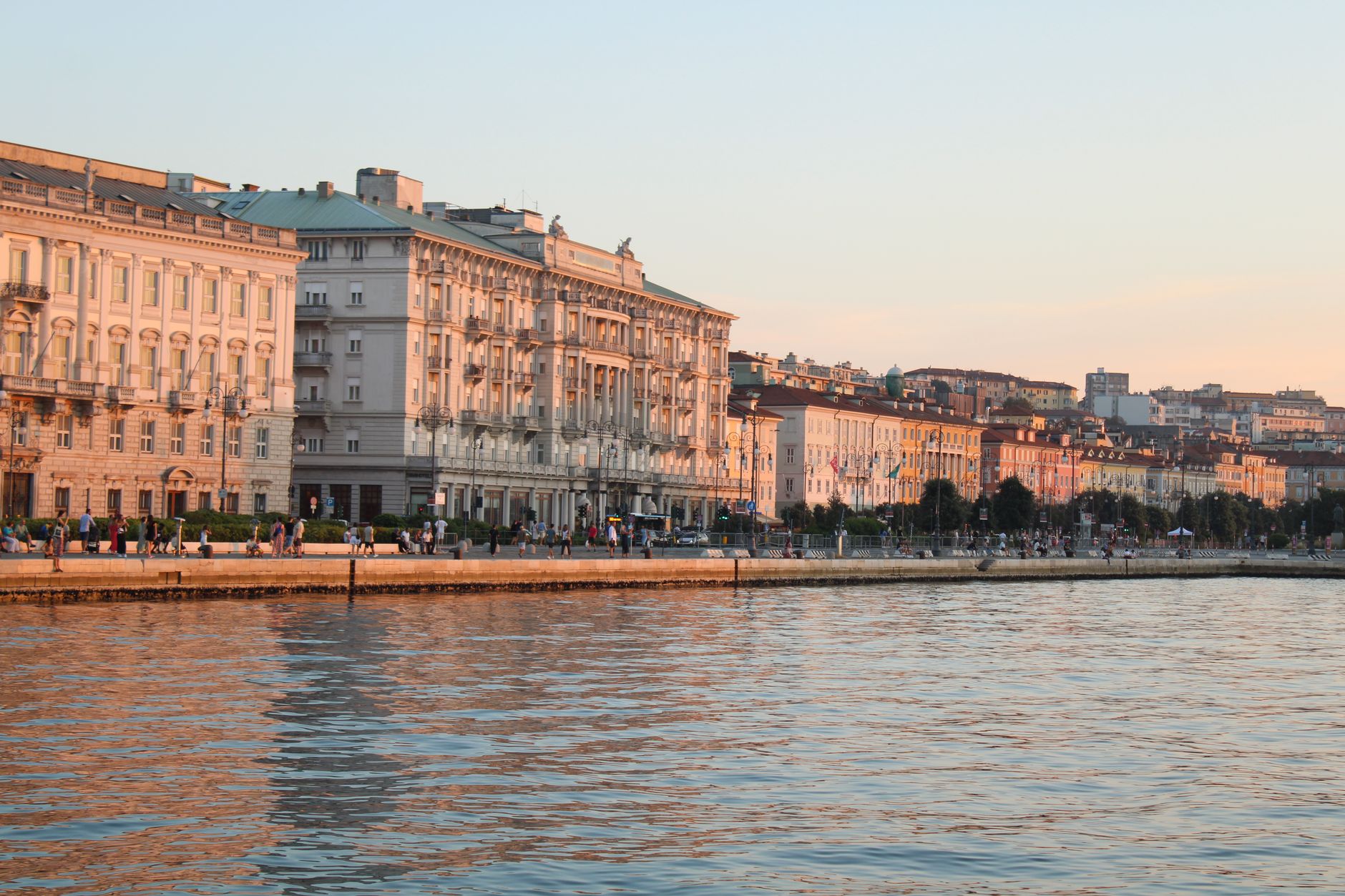
Trieste was the Habsburg Empire’s main seaport, and that history isn’t decorative - it’s structural. The city’s architecture, its coffee culture, its general sense of formality wrapped in mild melancholy, all point back to Vienna more than Rome. The Caffè degli Specchi on Piazza Unità d’Italia serves coffee in a tradition that predates Italian unification. The piazza itself opens directly onto the sea, which is unusual enough to stop you mid-step.
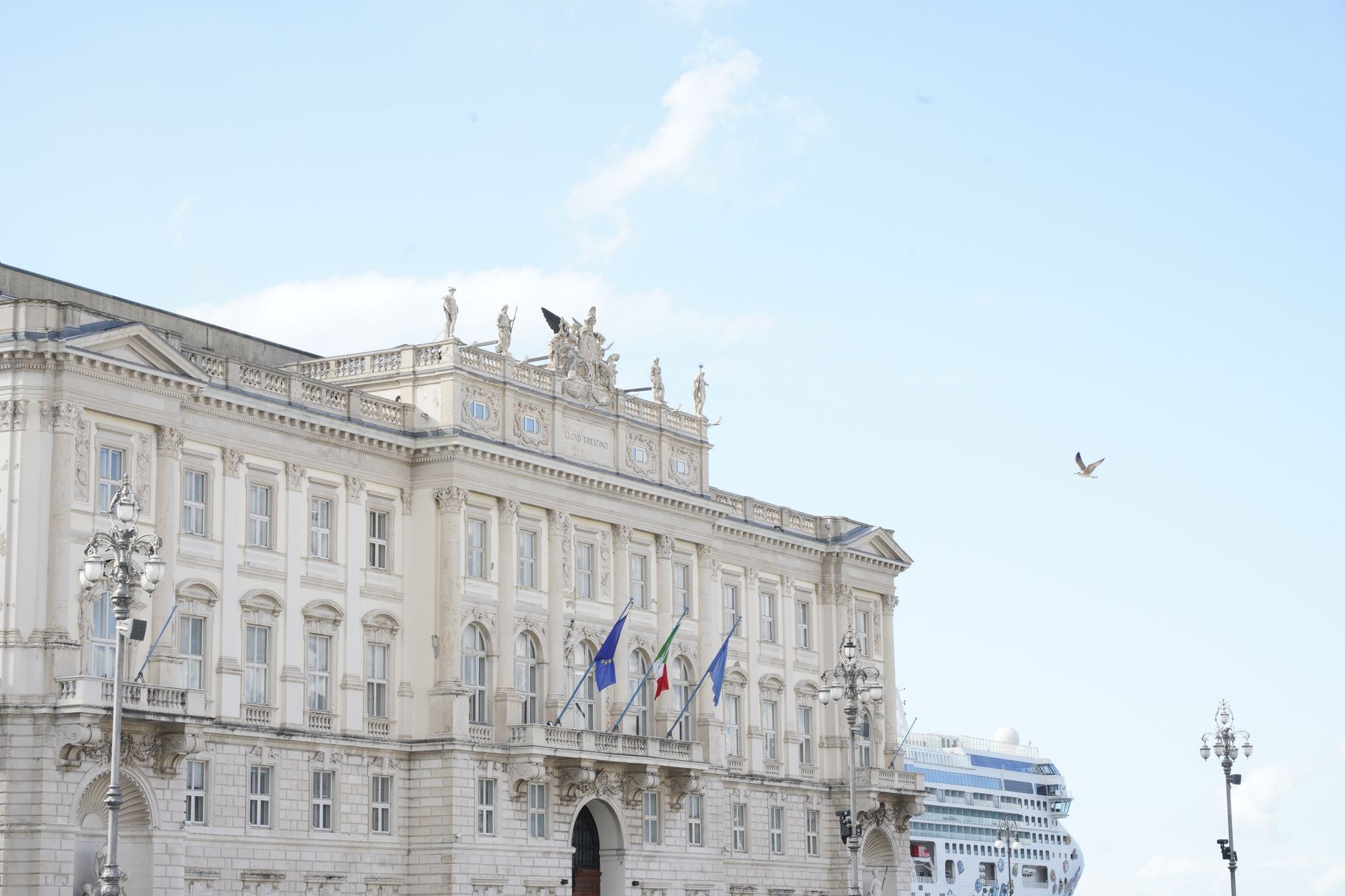
Irredentist history, the Free Territory period after World War II, the city’s long limbo between Italian and Yugoslav claims - Trieste has spent most of the twentieth century being contested, overlooked, or economically sidelined. That history left behind a city that feels slightly out of time.
What to Actually Do There
The Museo Revoltella holds a serious collection of 19th and 20th century Italian art across a palazzo and a modern extension - not the kind of museum you’d expect in a city this overlooked. The Canal Grande, lined with pastel buildings and small boats, looks almost Venetian but feels quieter and less performed. The Carso plateau above the city, a limestone plateau shared with Slovenia, offers hiking trails and views that most Trieste visitors never bother to find.
The fish market near the waterfront is a working market, not a tourist reconstruction. Going early means watching actual buying and selling, not staged abundance.
The Coffee Thing Is Real
Trieste has its own coffee vocabulary. Ordering a caffè gets you an espresso, but locals order a nero or a capo in B (a macchiato in a glass). The terminology varies by bar, and asking questions is acceptable - expected, even. The city has the highest number of traditional coffee houses per capita in Italy, by some accounts, though that figure is hard to pin down with precision.
The Part That’s Hard to Categorise
There’s a particular quality to cities that were once imperial and are now quietly provincial - a grandeur that outlasted its context. Trieste has that quality more acutely than almost anywhere else. James Joyce lived and wrote here for over a decade. Rainer Maria Rilke wrote the Duino Elegies at a castle on the coast nearby. Whether the city made them melancholy or whether melancholy people were drawn to it is probably an unanswerable question, and maybe beside the point.
Two nights is enough to feel the city properly. Three is better if you want to take the bus up to the Carso or cross into Slovenia for an afternoon.