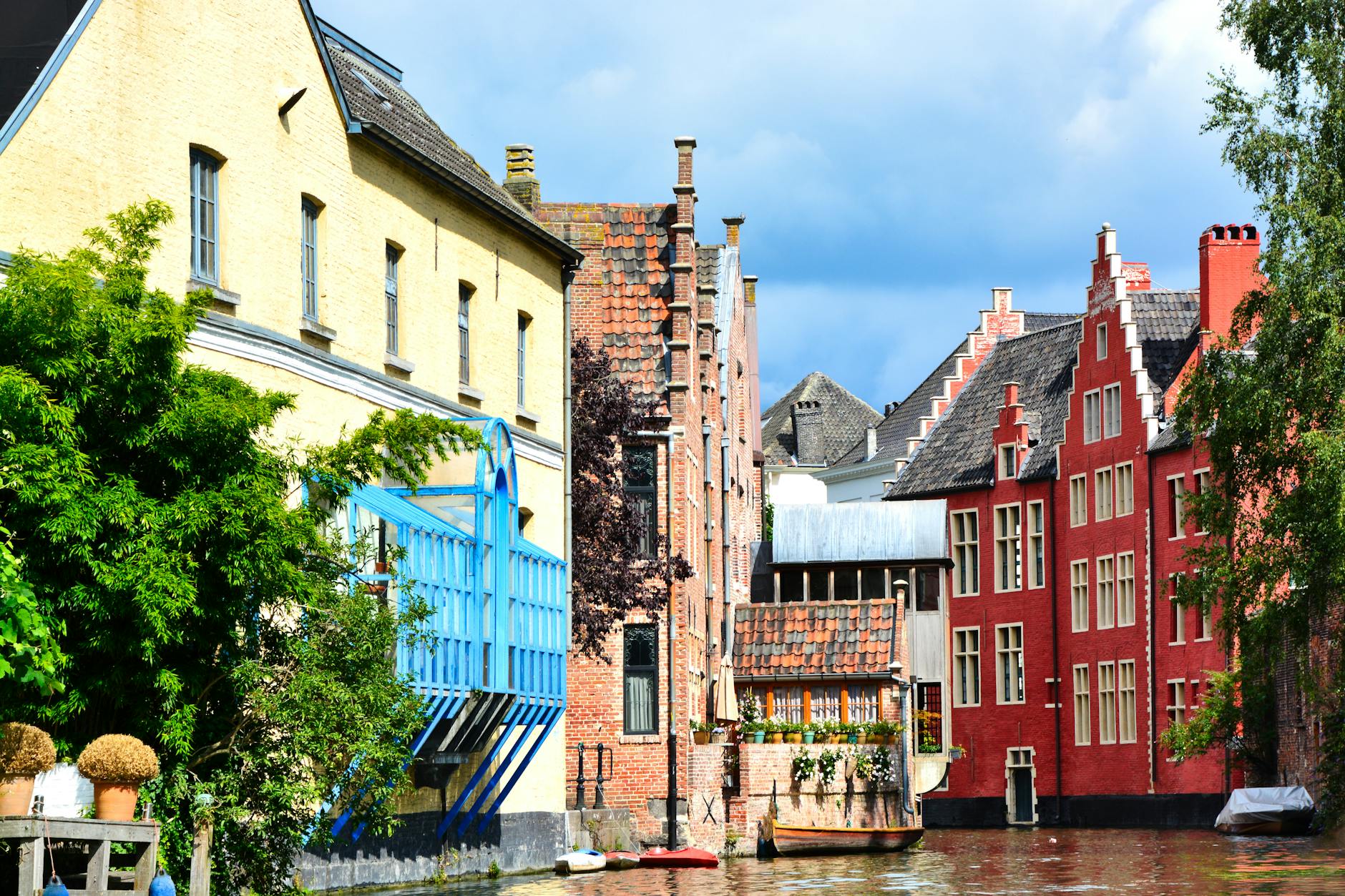
Bruges is objectively beautiful and almost impossible to enjoy. On a summer weekend, the canal-side streets fill so quickly by mid-morning that you’re essentially queuing to look at water. The city knows it’s a postcard and has organized itself accordingly - chocolate shops, waffle stands, horse carriages - all aimed squarely at people who have four hours and a camera.
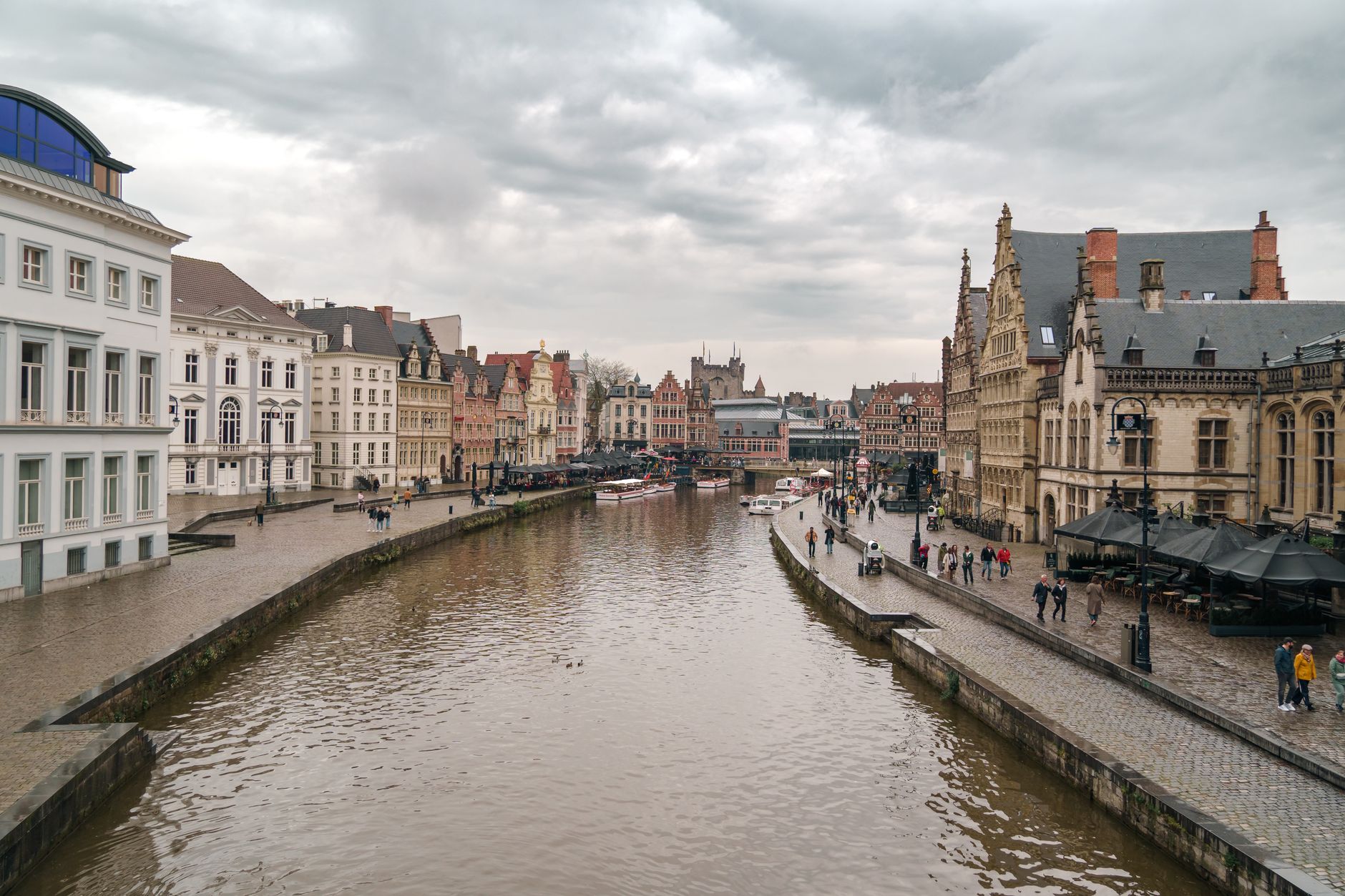
Ghent, forty minutes away by train, has the same Flemish Gothic bones without the performance. Gravensteen, a 12th-century stone castle, sits in the middle of the city like it forgot it was supposed to be a tourist attraction. You can walk around it on a Tuesday afternoon and not be fighting for space. The Graslei and Korenlei - the two guild-house-lined quays that face each other across the Leie river - are what people imagine Bruges will look like before they arrive. In Ghent, they more or less still do look like that.
The food situation is also different in ways that matter. Bruges restaurants near the Markt are priced for day-trippers who won’t be back. Ghent has a student population - Ghent University is one of the larger universities in Belgium - which means the city has developed an actual restaurant culture rather than a tourist-catering one. The Vrijdagmarkt area in particular has places where you’ll hear Dutch at the surrounding tables, which in Flemish Belgium is a reasonable proxy for whether a restaurant is any good.
Ghent also has the Ghent Altarpiece. The van Eyck painting - The Adoration of the Mystic Lamb, completed in 1432 - is housed in St Bavo’s Cathedral and is one of the most significant works of early Flemish painting in existence. It has a complicated history involving Napoleon, the Nazis, and a still-unresolved 1934 theft of one panel. Seeing it in person, in the cathedral where it was made, is a different experience from a museum.
The train from Brussels to Ghent takes around thirty minutes. From Bruges to Ghent it’s roughly forty. Both are straightforward on Belgian rail. The city is compact enough that you don’t need a plan beyond arriving and walking west from the station toward the old centre.
Whether Bruges is worth a visit at all depends entirely on your tolerance for crowds and on whether you go in the off-season. But if you’re already making the Flemish comparison, Ghent isn’t the consolation prize - it’s just the less-obvious choice that happens to deliver more.