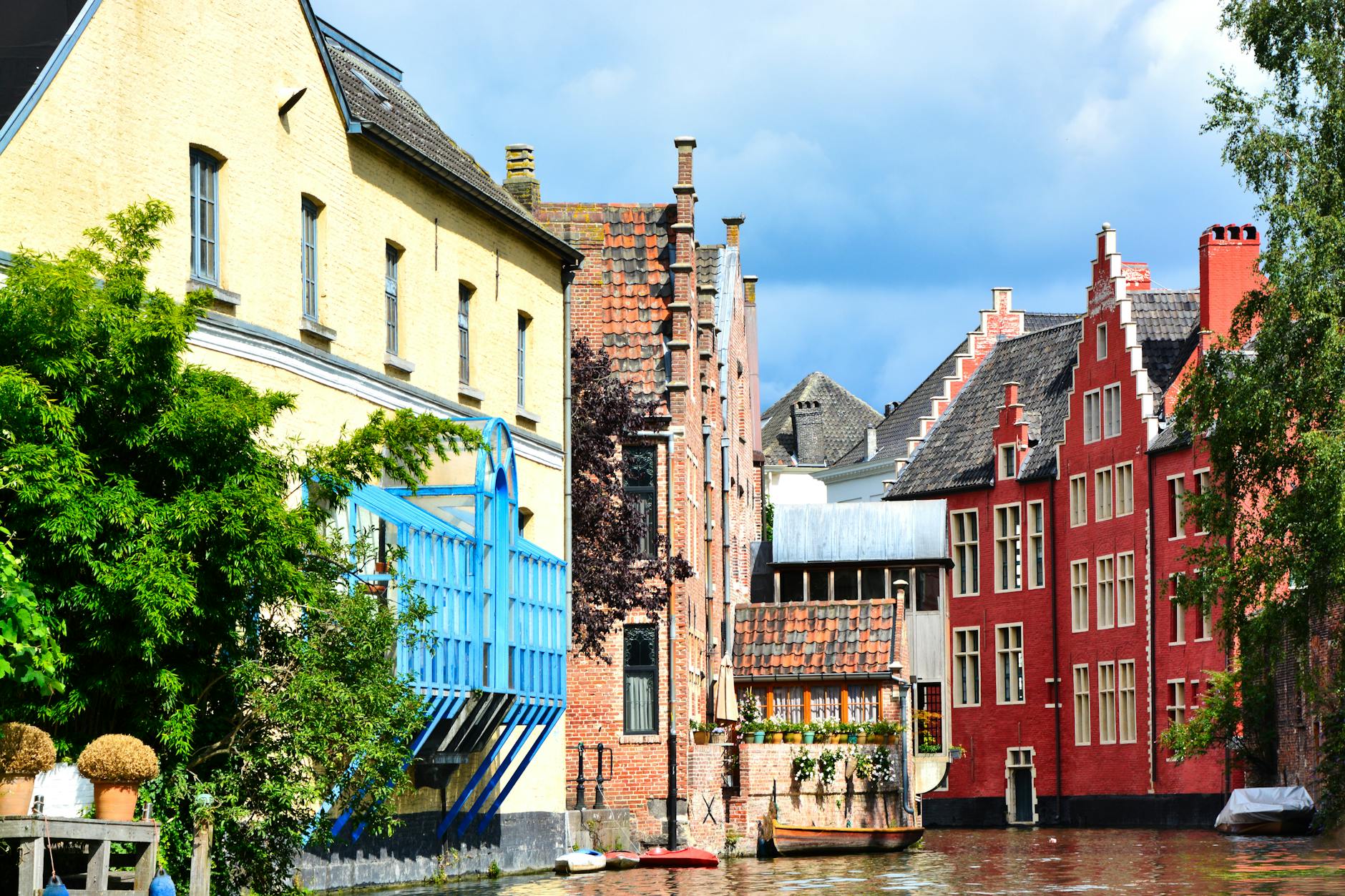
Bruges is a museum that people sleep in. Brussels has the self-importance of a capital that knows it’s being watched. Ghent, sitting between them in the Flemish heartland, has largely opted out of that competition - and the result is a city that feels lived-in in a way the other two don’t.
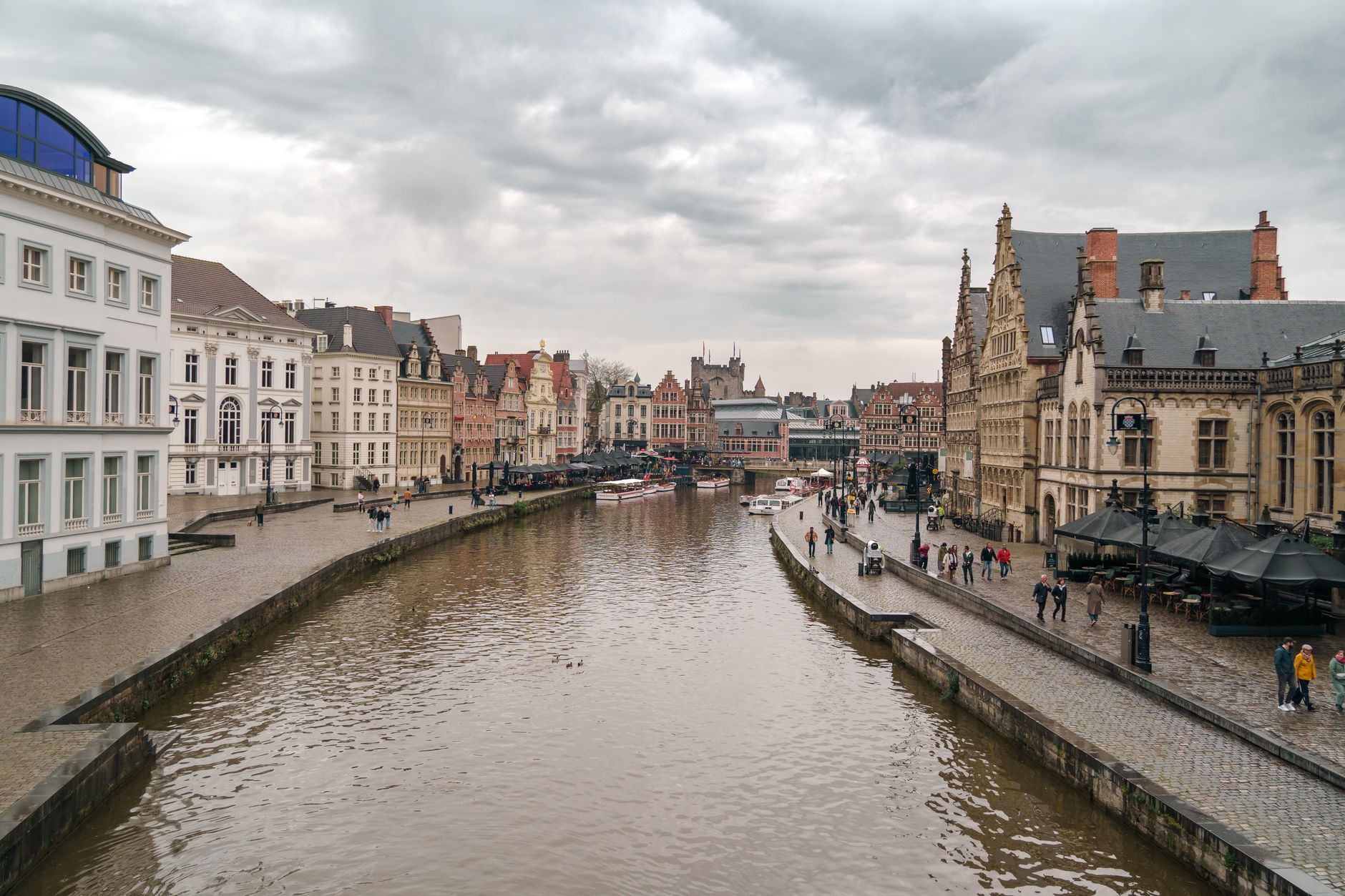
The medieval core is genuine rather than preserved-for-tourism. Graslei and Korenlei, the twin quays along the Leie river, are genuinely photogenic, but they’re also where people meet after work, where students sit on steps eating fries from a paper cone. The 14th-century Gravensteen castle still anchors the northern end of the old city - it’s one of the better-preserved medieval fortresses in the Low Countries, built by the Count of Flanders in 1180, and you can walk the full ramparts. But you’re not herded through it. There’s a lightness to the visit that castles in more tourist-saturated cities rarely manage.
The Walking Logic of the City
Ghent rewards walking without a fixed plan in a way that, say, Amsterdam doesn’t - Amsterdam punishes the directionless with canals that loop back on themselves. Here, the street grid tightens and opens in ways that keep revealing things: a beguinage tucked behind a wall on Begijnhofdries, a covered market hall that dates to the 19th century and now serves as a weekend food market, a string of Flemish Expressionist paintings in the Museum of Fine Arts that most visitors skip entirely in favour of the more famous SMAK contemporary art museum next door.
The food situation is better than Ghent’s reputation suggests. The city has been informally associated with plant-based eating since 2009, when local authorities began promoting a weekly meat-free Thursday - Donderdag Veggiedag - though the policy was never enforceable and its actual impact is debated. What’s observable is that the number of vegetarian and vegan restaurants relative to the city’s size is genuinely high, and the quality is consistent in a way that feels structural rather than trendy.
When to Go
The Gentse Feesten, a ten-day folk and street culture festival held annually in July, transforms the entire city centre into a pedestrian event space. It draws around a million visitors and accommodation books out months in advance. Outside of that window, particularly in late April or early September, the city is quiet enough that you’ll get the architecture largely to yourself.
What’s harder to explain is the mood. Ghent has a student population of around 75,000 - significant for a city of under 270,000 - and Ghent University gives it an intellectual atmosphere that isn’t performed. It doesn’t feel like a city that wants anything from you.