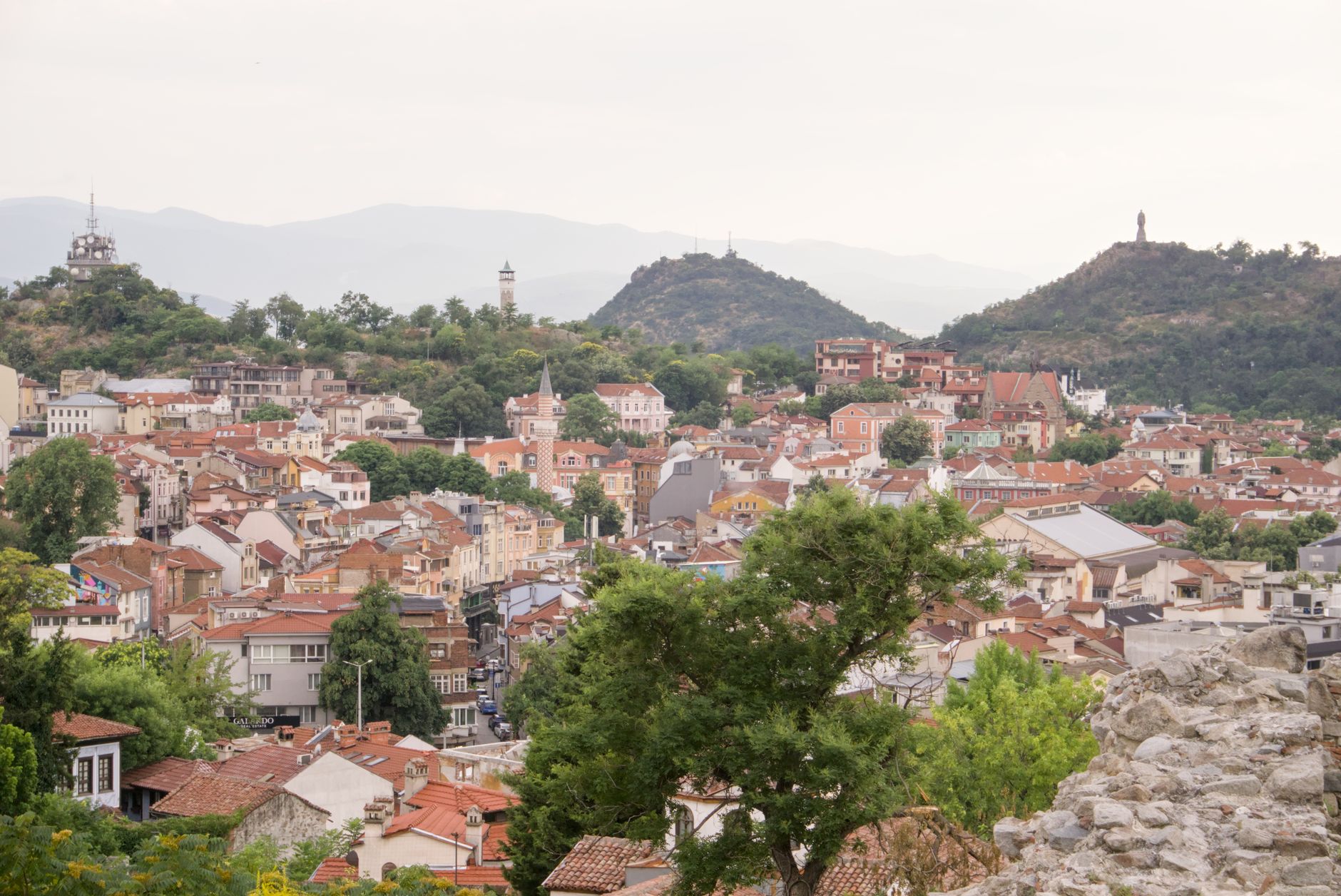
Plovdiv is constantly introduced as Bulgaria’s second city, as if it needs Sofia’s permission to be interesting. It doesn’t. Plovdiv is older than Rome - continuously inhabited for over 8,000 years - and it carries that age in its stones rather than its marketing.
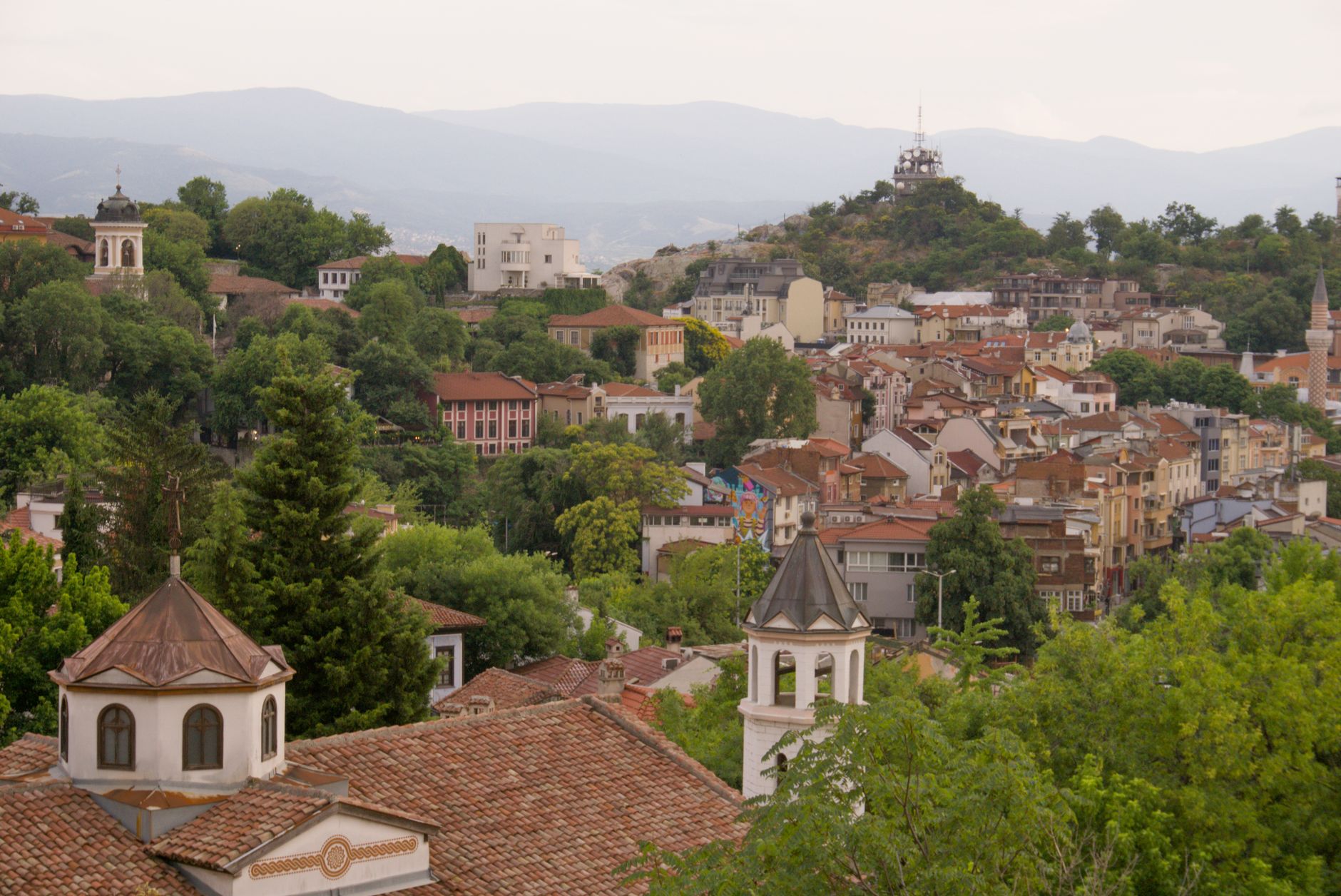
The Old Town sits on three of the city’s hills, and the neighbourhood known as the Kapana district fills the flatlands below it with independent coffee shops, small galleries, and restaurants that don’t have laminated menus with photographs. These two halves of the city have different energies and different crowds, but neither one feels constructed for visitors. That’s still relatively rare in a European city with this level of architectural preservation.
The Roman Theatre Is Not a Backdrop
The ancient theatre in the Old Town is one of the best-preserved Roman theatres in the Balkans. It was discovered accidentally during a landslide in 1972 and still hosts live performances during summer. Sitting there in the late afternoon - when the stone holds warmth and the light is low - while a rehearsal happens on the stage below is one of those unplanned moments that Plovdiv hands out freely. It seats around 6,000 people and the acoustics remain functional. This is not a ruin you read a plaque at.
Eating Here Costs What It Should
A sit-down meal with wine in Kapana costs a fraction of what the same quality would run in Ljubljana or Lisbon. Bulgarian cuisine - shopska salad, kavarma, banitsa - is unfussy and good, and the wine produced in the Thracian lowlands nearby is underknown outside the country. Mavrud, a native red grape variety with deep colour and earthy flavour, is worth seeking out specifically.
When to Go
September is the strongest month. The summer festival crowds thin out after August, the temperature drops to something manageable, and the city returns to its own pace. Plovdiv hosted European Capital of Culture in 2019, which accelerated investment in arts spaces and public infrastructure - the effects of that are still visible and functional, not just cosmetic.
The comparisons to Sofia will keep coming. They don’t reflect the experience of being in Plovdiv, which asks nothing of you except that you stay a little longer than planned.