Most people who visit Palermo do so on the way to somewhere else - a day between the airport and Taormina, or a quick stop before catching a ferry to Naples. That’s a mistake, and it’s usually made by travellers who’ve been told the city is ‘rough around the edges,’ which is true, and who’ve interpreted that as a warning rather than a description.
Palermo is the product of about a dozen different ruling civilisations - Arab, Norman, Byzantine, Spanish - and none of them fully erased what came before. The result is architecture that shouldn’t coexist but does: the Palatine Chapel, built in the 12th century under the Norman king Roger II, has a ceiling covered in Arabic-style honeycomb stalactite work (muqarnas), Byzantine gold mosaics across the walls, and a Latin cross floor plan. It is one of the most genuinely strange interiors in Europe, and it costs about €12 to enter.
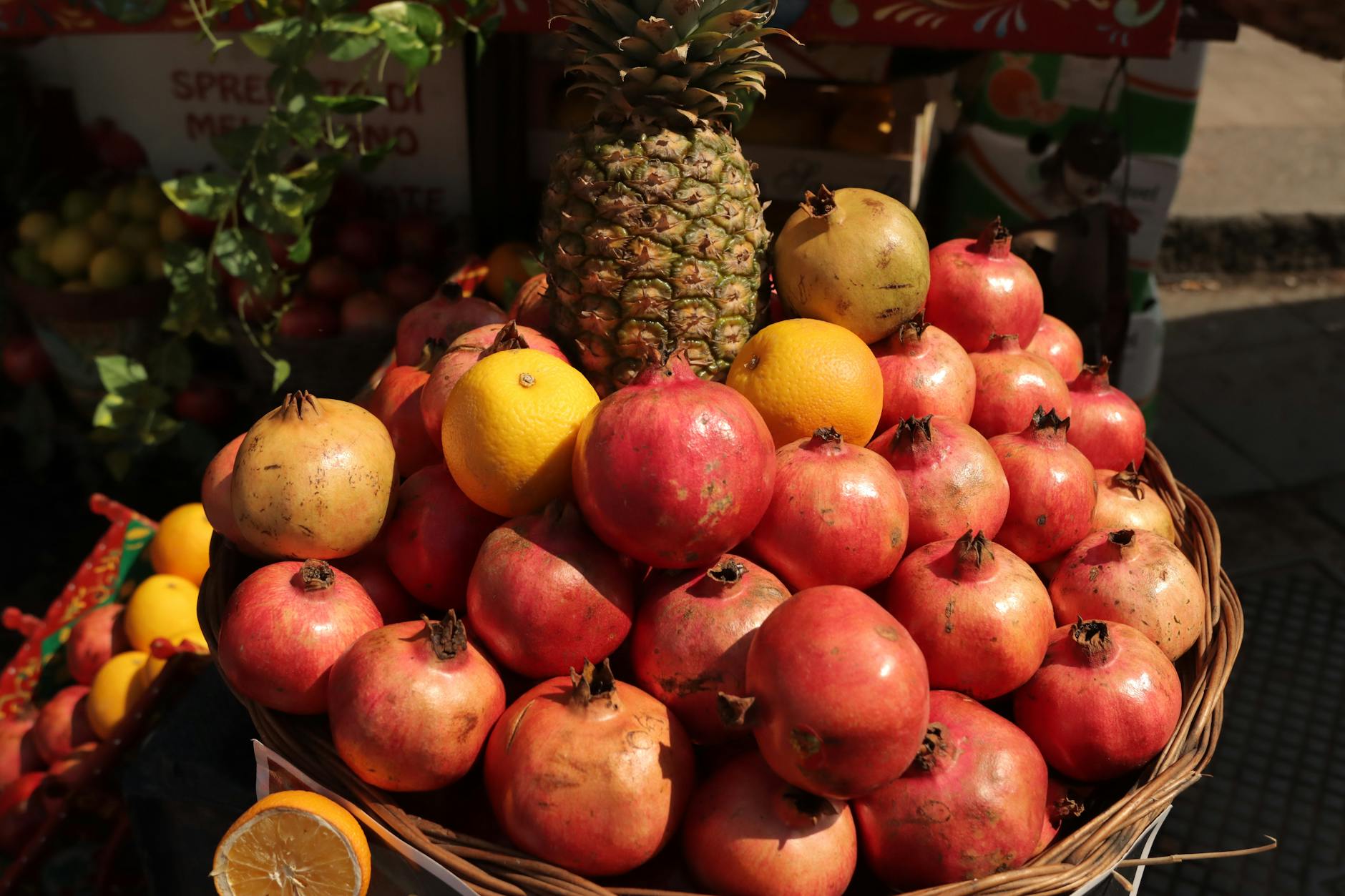
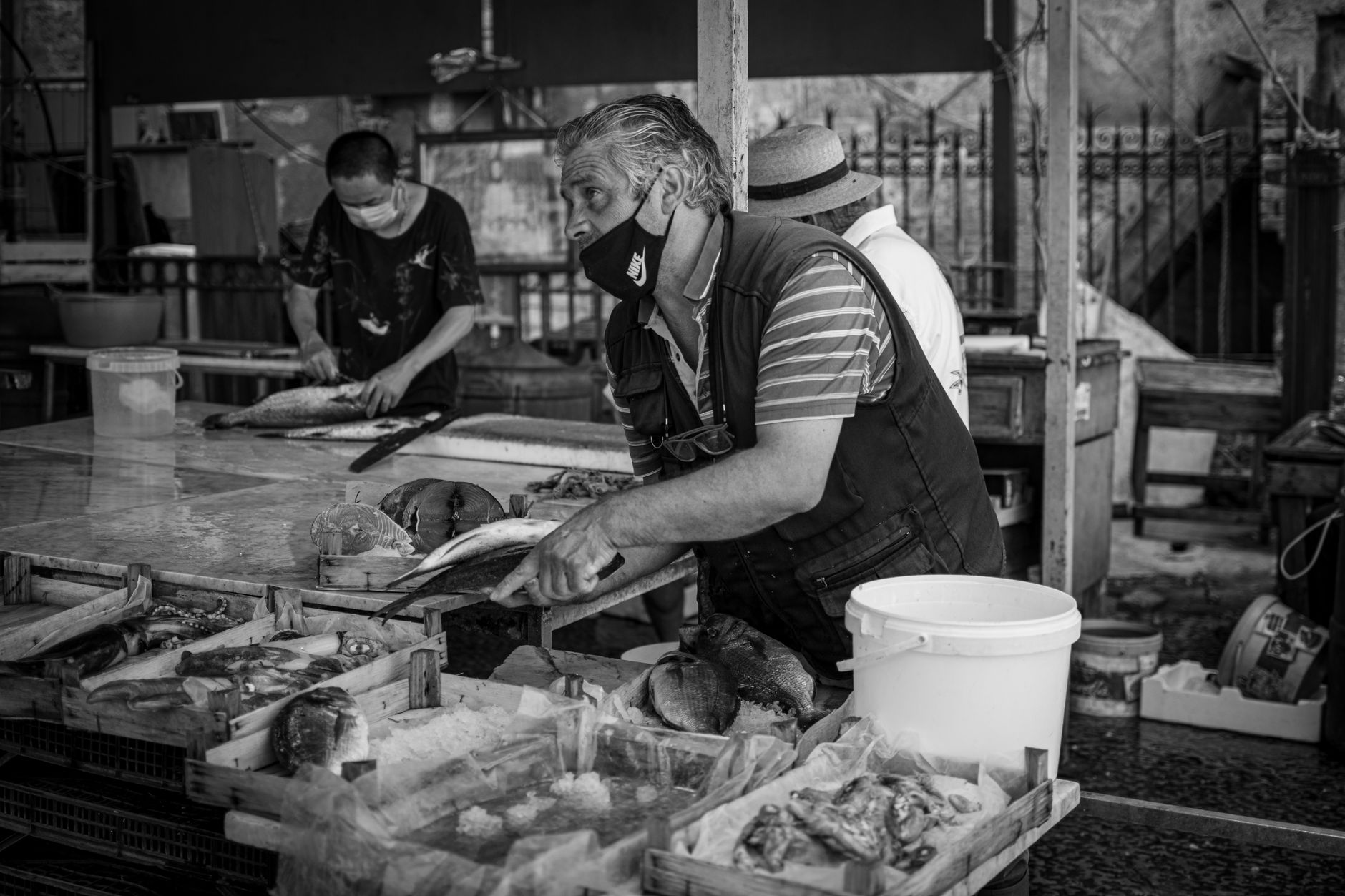
The Ballarò market, which runs through the Albergheria neighbourhood, operates every morning except Sunday and is probably the most useful place to understand how the city actually eats. Vendors sell stigghiole - grilled lamb intestines wrapped around spring onion - alongside pyramids of blood oranges and slabs of tuna. It is not a market that has been arranged for tourists. The vendors are loud and directional, and if you hesitate too long in front of a stall, someone will make a decision for you.
Where to sleep matters more than usual here
The centro storico is divided into four historic quarters - Albergheria, Capo, Vucciria, and Kalsa - and they feel meaningfully different from one another. Kalsa, the southeastern quarter, has the highest concentration of restored buildings and is where most boutique hotels have opened in the last decade. It’s quieter after midnight. Vucciria, by contrast, is where the bars stay open until 4am and the street food carts run on no apparent schedule.
Staying in Vucciria when you want sleep is a poor choice. Staying there when you don’t is not.
The cathedral is almost beside the point
Palermo Cathedral is enormous and has been modified so many times - Arab mosque to Norman church to Baroque additions - that it reads architecturally as a sentence that kept being interrupted. The interior is comparatively bare. Most visitors spend longer outside photographing it than they do inside, which is the correct instinct.
The city doesn’t have a single monument that explains it. That’s the thing about Palermo - it resists being summarised from one spot, on one afternoon, before a train south.