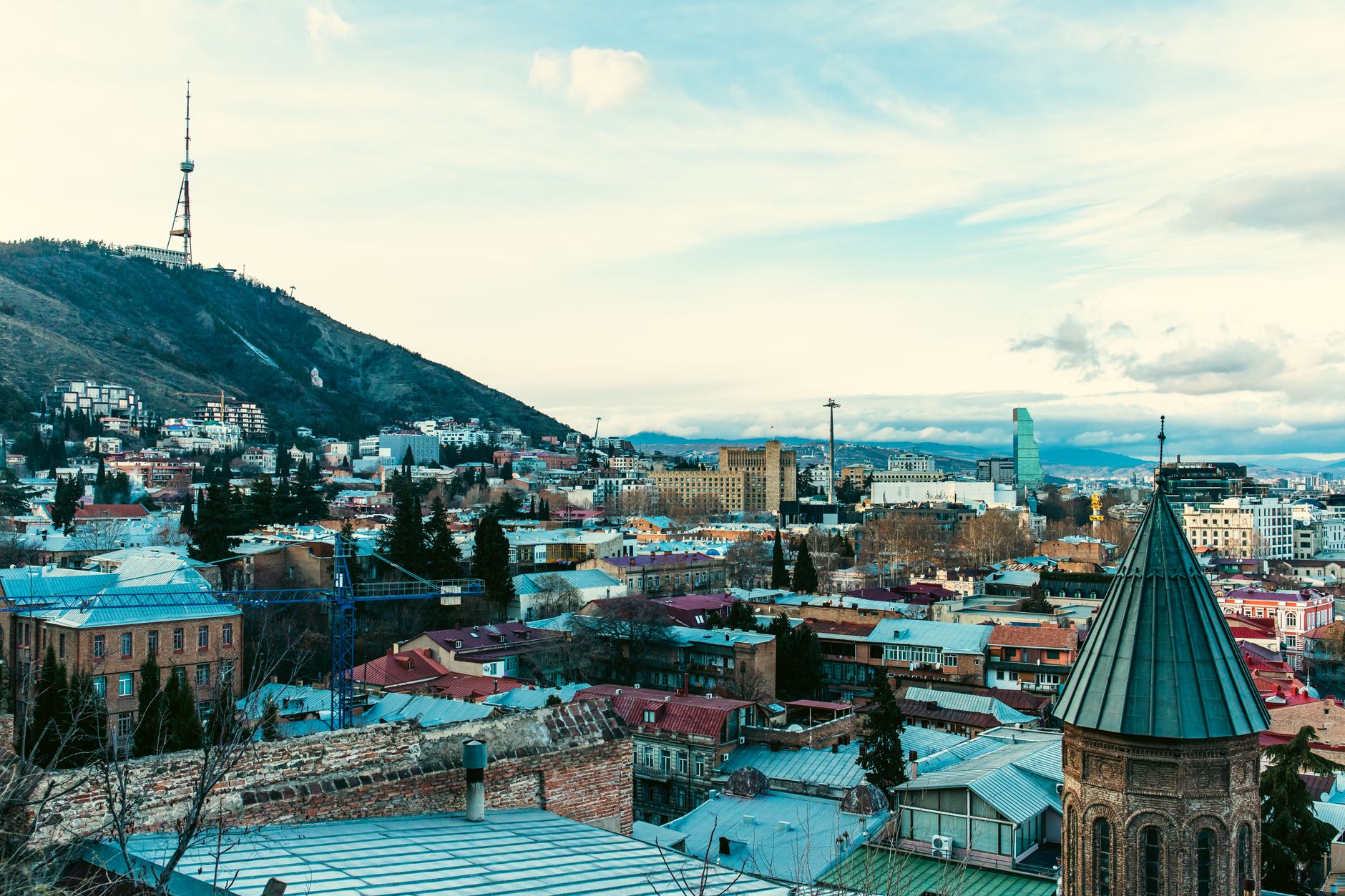
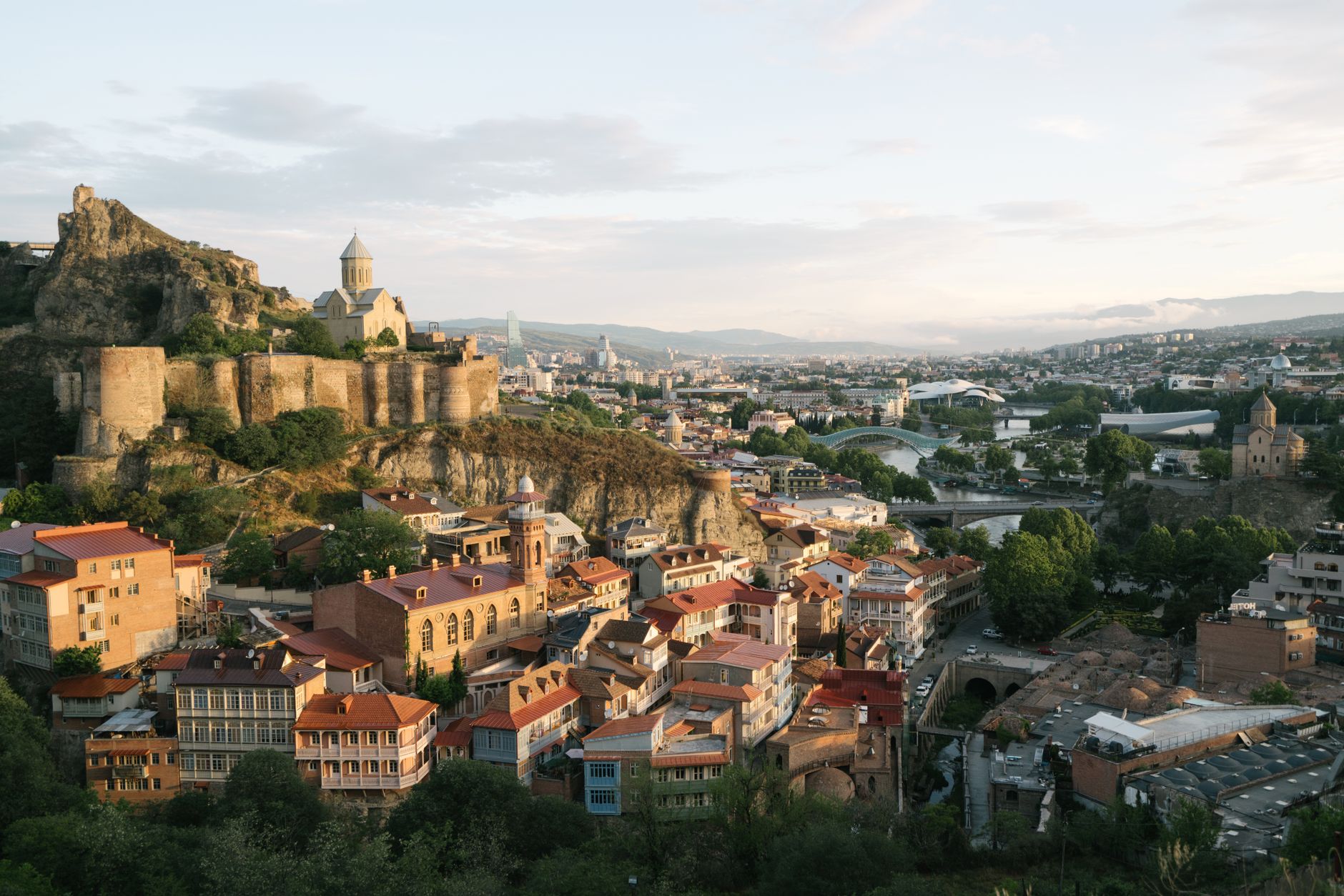
Most visitors arrive in Tbilisi, photograph the sulfurous bath houses in Abanotubani, drink a glass of Rkatsiteli somewhere in the Old Town, and file the city away as charming. They’re not wrong, but they’ve essentially described the airport gift shop version of the place.
Tbilisi is a city that requires a certain amount of confusion before it starts making sense.
The Neighborhoods Nobody Puts in the Itinerary
The area that rewards the most time isn’t the Old Town - it’s Vera and Vake, the residential districts that spread uphill to the west. These are neighborhoods of crumbling Soviet-era apartment blocks next to well-funded wine bars, street cats sleeping on Lada bonnets, and bakeries that open at 6am and sell nothing but fresh shotis puri, the elongated Georgian bread baked on the walls of a tone oven. There’s no landmark to visit here. That’s the point.
Chugureti, further north, has been absorbing a slow drift of galleries and studios for several years. It doesn’t feel like an arts district in the self-conscious way that European cities sometimes manufacture - it feels like people who make things moved somewhere they could afford.
What to Actually Eat
Khinkali - the soup dumplings - are the obvious starting point, but the thing visitors consistently overlook is Georgian cheese. Sulguni, the brined semi-soft cheese from the Samegrelo region, turns up everywhere: stuffed into khachapuri, fried on its own, or sliced cold on a wooden board. The Adjaruli khachapuri, the boat-shaped bread filled with cheese and a raw egg, is worth eating once. After that, order the Imeruli version - flatter, less theatrical, better.
The natural wine scene is real and not overpriced by European standards. Georgia has been fermenting wine in clay qvevri vessels for around 8,000 years, which makes most of what gets called “natural wine” in London wine bars look like a recent fad.
Timing
June is a reasonable month to visit - warm but not yet brutal. July and August in Tbilisi can push above 35°C with genuine humidity, and the city is a concrete bowl that holds heat. Spring (April to May) is the honest answer for anyone who wants to walk the city for hours without stopping to recover.
The one thing the city gets genuinely wrong is its airport transport. A taxi from Tbilisi International into the centre should cost roughly 30–40 GEL at the time of writing - agree the fare before you get in.