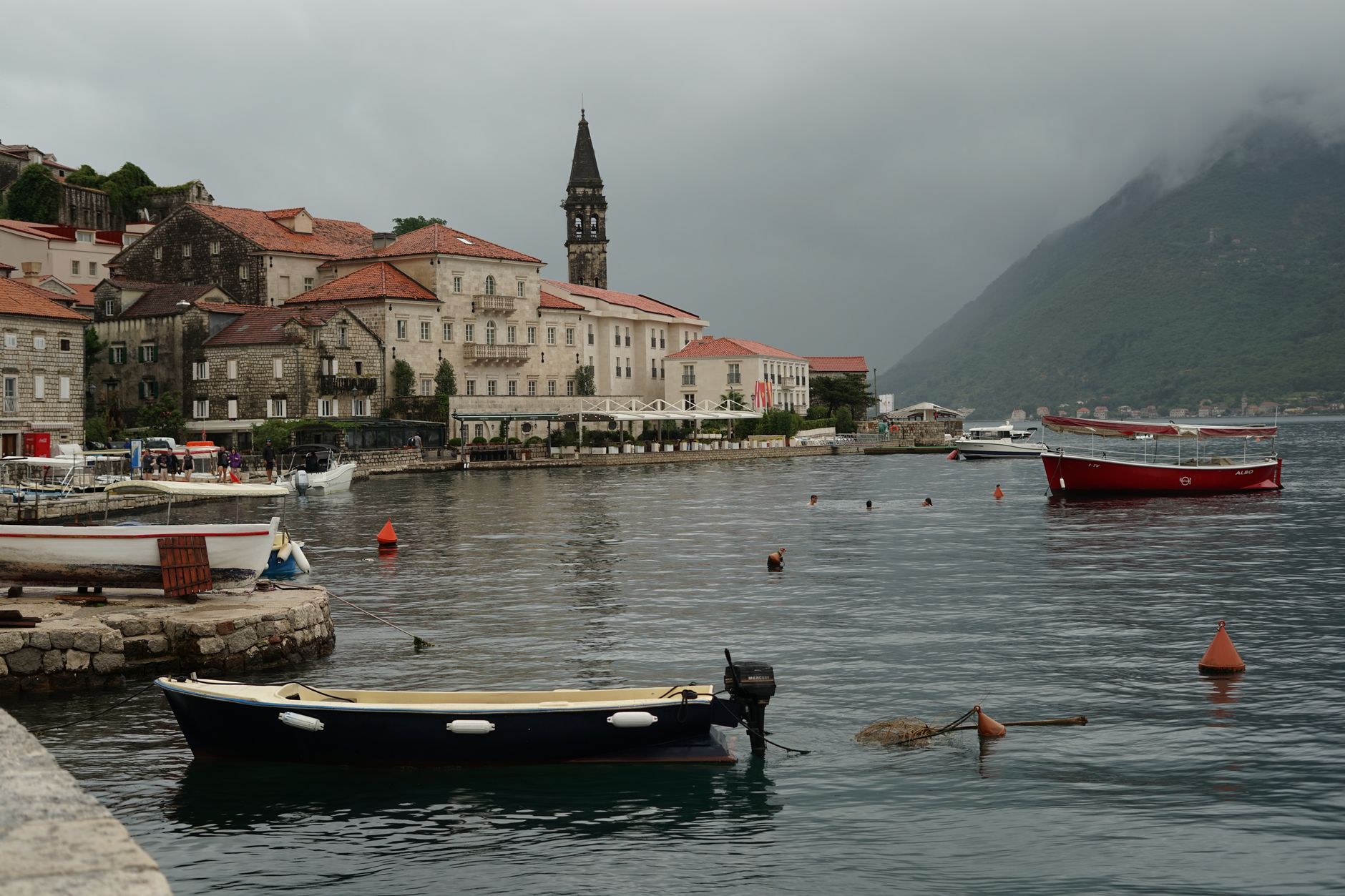
The walls are what people come for, and they are genuinely worth the climb - 1,355 steps up to the ruins of St. John’s Fortress, with the Bay of Kotor spreading out below in that particular shade of grey-green that changes completely depending on cloud cover. Most visitors do it in the morning and leave by lunch. That’s the wrong call.
Kotor’s old town sits inside Venetian-built fortifications that date to the 9th century, though the walls as they stand today are largely a result of centuries of Venetian expansion and repair. The city itself is tiny - you can walk from the Sea Gate to the northern Gurdić Gate in under ten minutes. What that compactness creates, though, is a density of texture that larger old towns dilute. Every square has a different character. Trg od Oružja, the main square, is busy and open. Walk three minutes in any direction and you’re in a lane so narrow that the walls overhead nearly touch, with cats - Kotor has a documented tradition of cats as protectors of the city, a legacy tied to its seafaring history - sleeping on whatever surface is available.
The bay changes the logic of the place
Kotor is not a beach destination. The Bay of Kotor is a fjord-like inlet, not the Adriatic proper, and the water along the old town’s edge is for boats, not swimming. That distinction matters when deciding how to spend time here. The instinct to chase the coast doesn’t apply. Instead, the rhythm shifts toward the town itself: coffee in the morning before the cruise ships dock, lunch somewhere back from the main square, an afternoon at the Cathedral of Saint Tryphon - which houses Romanesque architecture from the 12th century - when the tour groups have thinned.
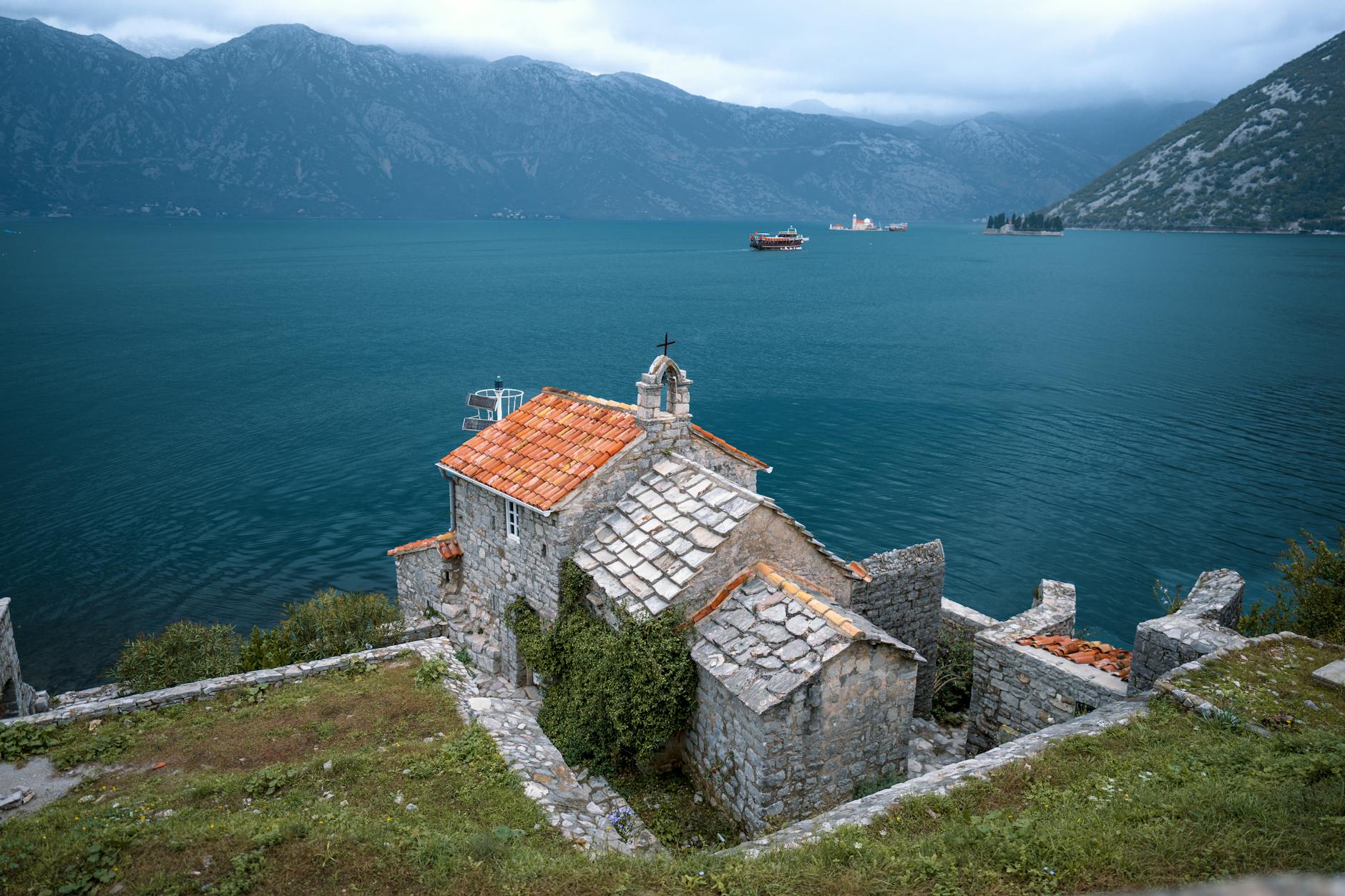
The cruise ship timing is worth researching before you book accommodation. Ships dock directly at the city walls, and on heavy days the old town becomes difficult to enjoy between roughly 10am and 4pm. On lighter days or out of peak season, it’s a different place entirely.
One night isn’t enough, two nights is
Stay inside the walls if you can. A handful of small guesthouses operate within the old town. The sound at night - water, occasional footsteps on stone, nothing else - is one of those things that’s hard to explain as a reason to book a trip but becomes obvious once you’re there.
The question of whether Kotor belongs to a broader Balkan itinerary or deserves to stand alone is one worth sitting with. It’s small enough to feel like a stop, but specific enough to feel like it got shorted if you treat it that way.