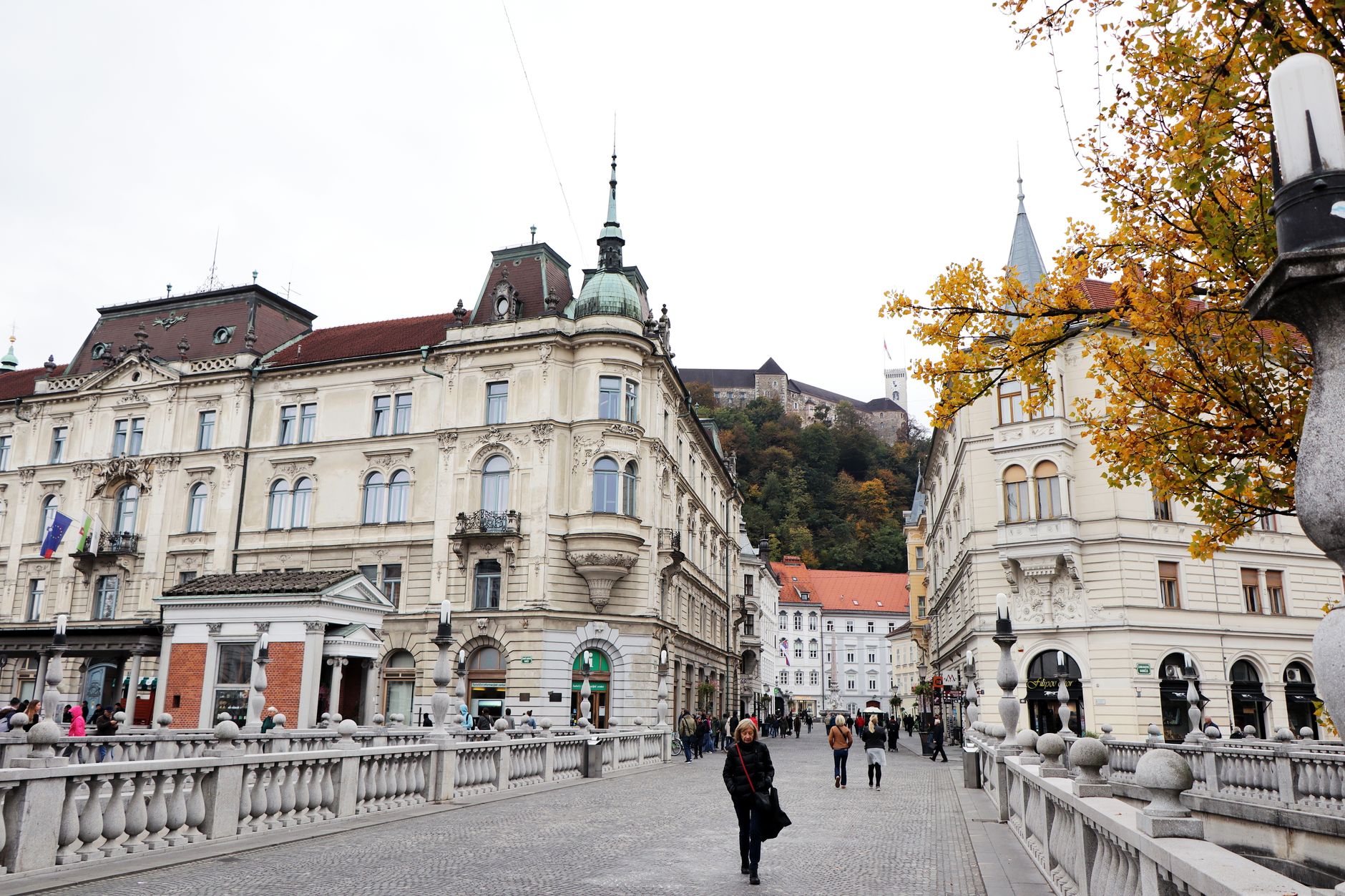
Most people pass through Ljubljana on the way to Lake Bled, give it half a day, and leave thinking they’ve seen enough. They haven’t, but the city doesn’t seem bothered by this. Ljubljana has the energy of somewhere that knows what it is and isn’t trying to convince anyone.
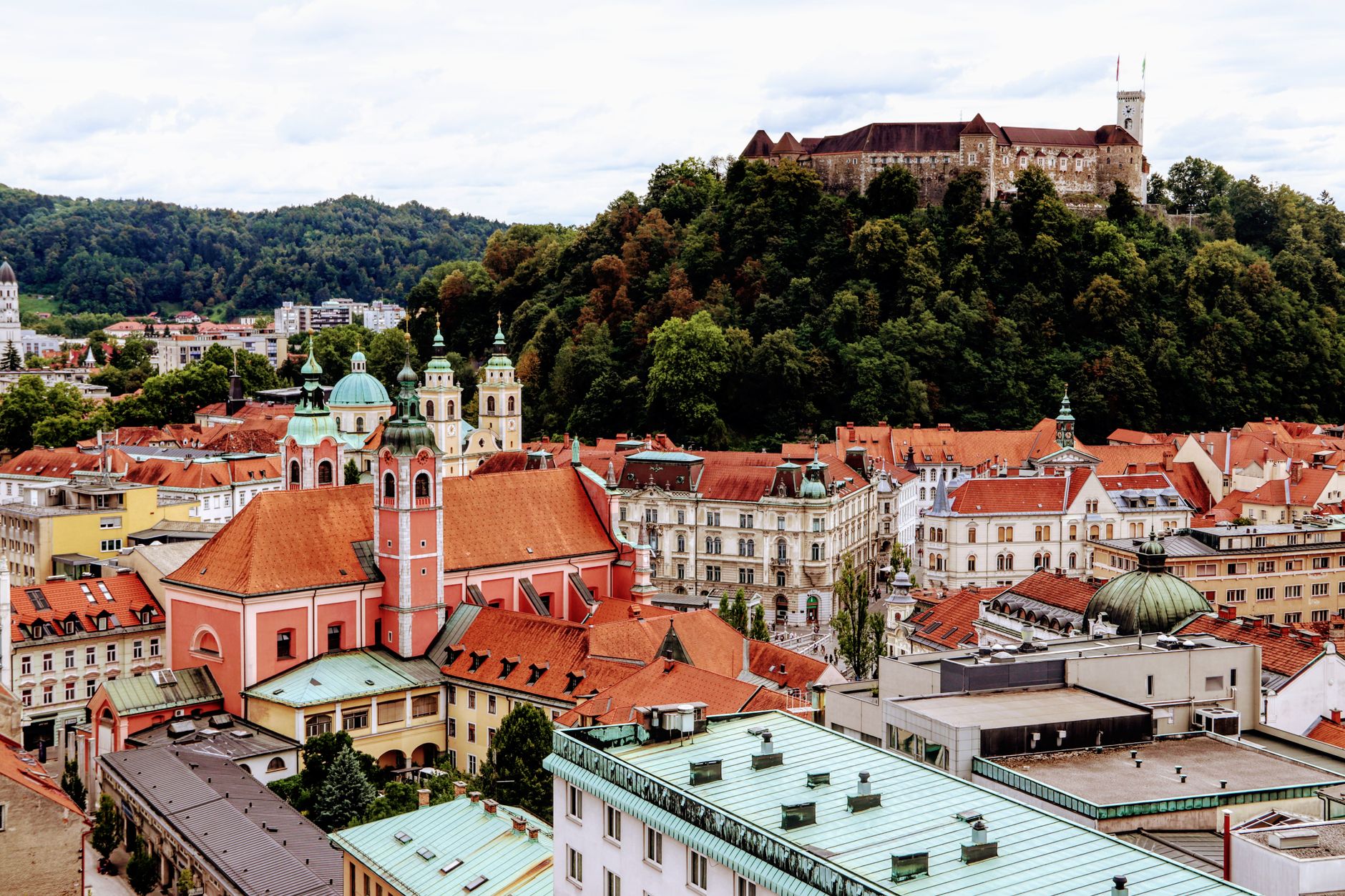
The old town sits along the Ljubljanica River, and the scale of it is immediately disarming. You can walk from the central market to Ljubljana Castle in about fifteen minutes, and the castle itself - while worth the climb - is less the point than the view back down: terracotta rooftops, the triple bridge, the outdoor café tables that appear the moment the temperature allows. The city operates at a pace that feels chosen rather than accidental.
The Food Scene Doesn’t Announce Itself
Slovene cuisine doesn’t have the international profile of Italian or Balkan food, but that’s partly because it borrows from all its neighbours and refuses to be neatly categorised. You’ll find štruklji - rolled dumplings that can be sweet or savoury - alongside dishes that lean clearly Austrian, others that pull from the Adriatic coast. Odprta kuhna, the open-air food market that runs on Fridays along the riverbank, is where the city’s restaurant culture becomes accessible without the formality. It’s been running since 2013 and remains genuinely popular with locals.
The wine list at most restaurants is skewed toward Slovenian producers - particularly from the Brda region, which sits just across the border from Friuli. Orange wines show up here with less performative fuss than in most European capitals.
What the City Actually Costs
Ljubljana is not cheap by Balkan standards, but it’s noticeably more affordable than Vienna or Zurich, which anchor the same Central European circuit. A proper sit-down lunch with wine in the old town runs somewhere between €15 and €25 per person - not budget travel, but not punishing either.
Getting the Timing Right
July and August bring enough tourists to make the riverbank feel crowded by Ljubljana’s standards, which still means manageable by most European capitals’ standards. June holds the weather without the peak pressure. The city also has a serious festival calendar in summer - Ljubljana Summer Festival has run since 1953 and uses Križanke, a repurposed monastery complex, as its main outdoor venue.
What stays with you after Ljubljana isn’t any single thing. It’s more the sense that a city of 300,000 managed to build a centre that functions without overwhelming itself - and then mostly left it alone.