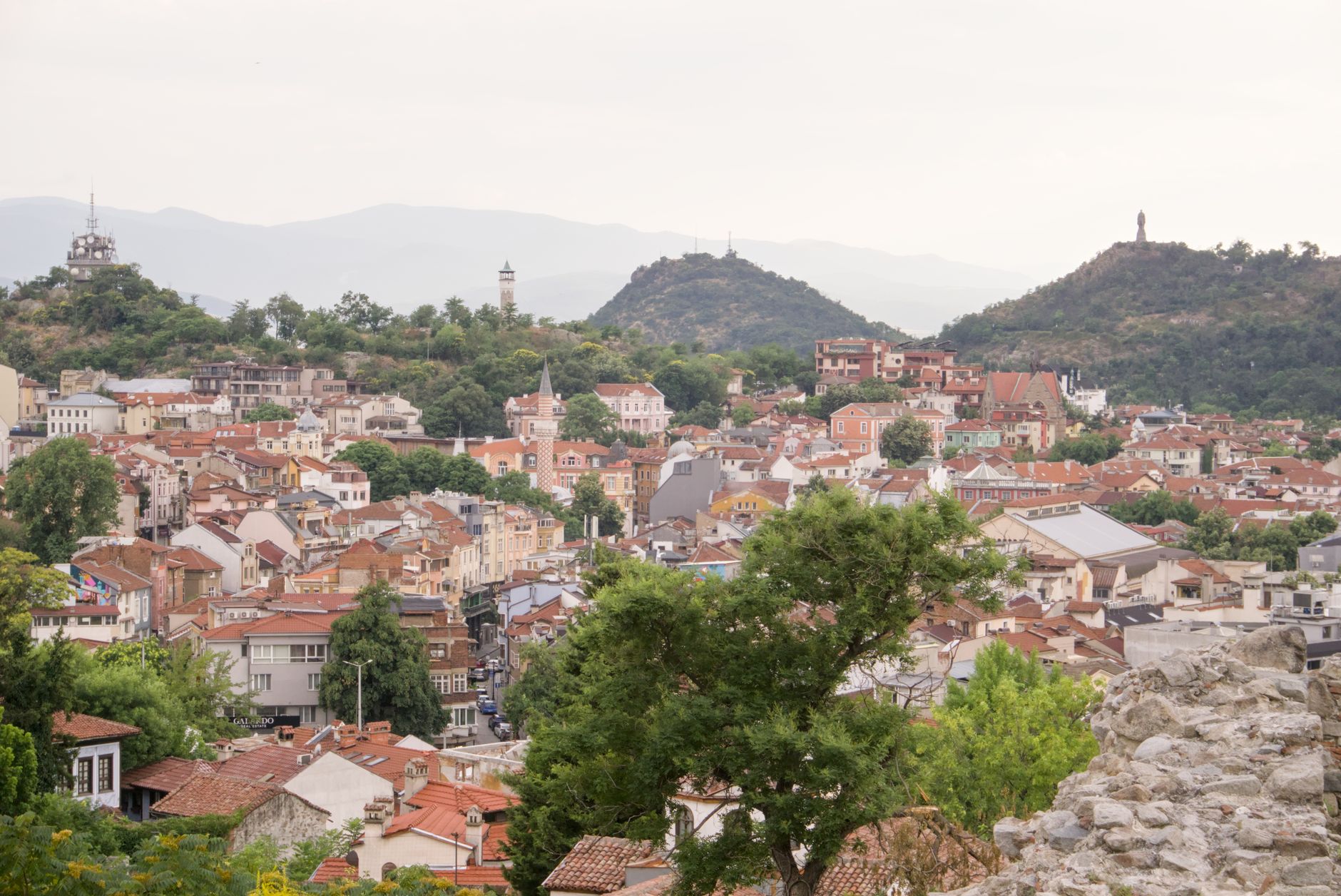
Most old towns in Europe have quietly become sets. The buildings are real, the cobblestones are real, but the people who fill them are almost entirely visitors. Plovdiv hasn’t finished making that transition, and the difference is immediately obvious.
The Old Town - the hilly, Ottoman-era quarter of wooden-fronted houses cantilevered over narrow lanes - still has residents. Washing hangs between the window shutters. Dogs sleep on stoops. An elderly man waters a geranium box while a tour group squeezes past. It’s not curated bohemian charm; it’s just a neighbourhood that happens to be sitting on a hill in one of the oldest continuously inhabited cities in Europe.
Plovdiv’s claim to that title - continuously inhabited since roughly 6,000 BCE - is supported by archaeological evidence, including findings from the Nebet Tepe hill that anchor the Old Town. It’s not marketing invented for tourism brochures. The city has genuinely been occupied long enough that layers of Thracian, Roman, Byzantine, and Ottoman history are physically stacked on top of each other. The Roman amphitheatre in the centre of the city wasn’t excavated until the 1970s after an earthquake exposed it. It now sits open-air between apartment buildings and hosts concerts in summer.
What the European Capital of Culture Status Did and Didn’t Do
Plovdiv held the title of European Capital of Culture in 2019, shared with Matera in Italy. The designation brought investment and attention, but it didn’t hollow the city out. The café-gallery-bar district of Kapana - a reclaimed craftsmen’s quarter just below the Old Town - existed before 2019 and continues operating more for locals than for visitors. It’s small enough to walk end to end in ten minutes, loud on weekend nights, and not especially oriented toward explaining itself to outsiders.
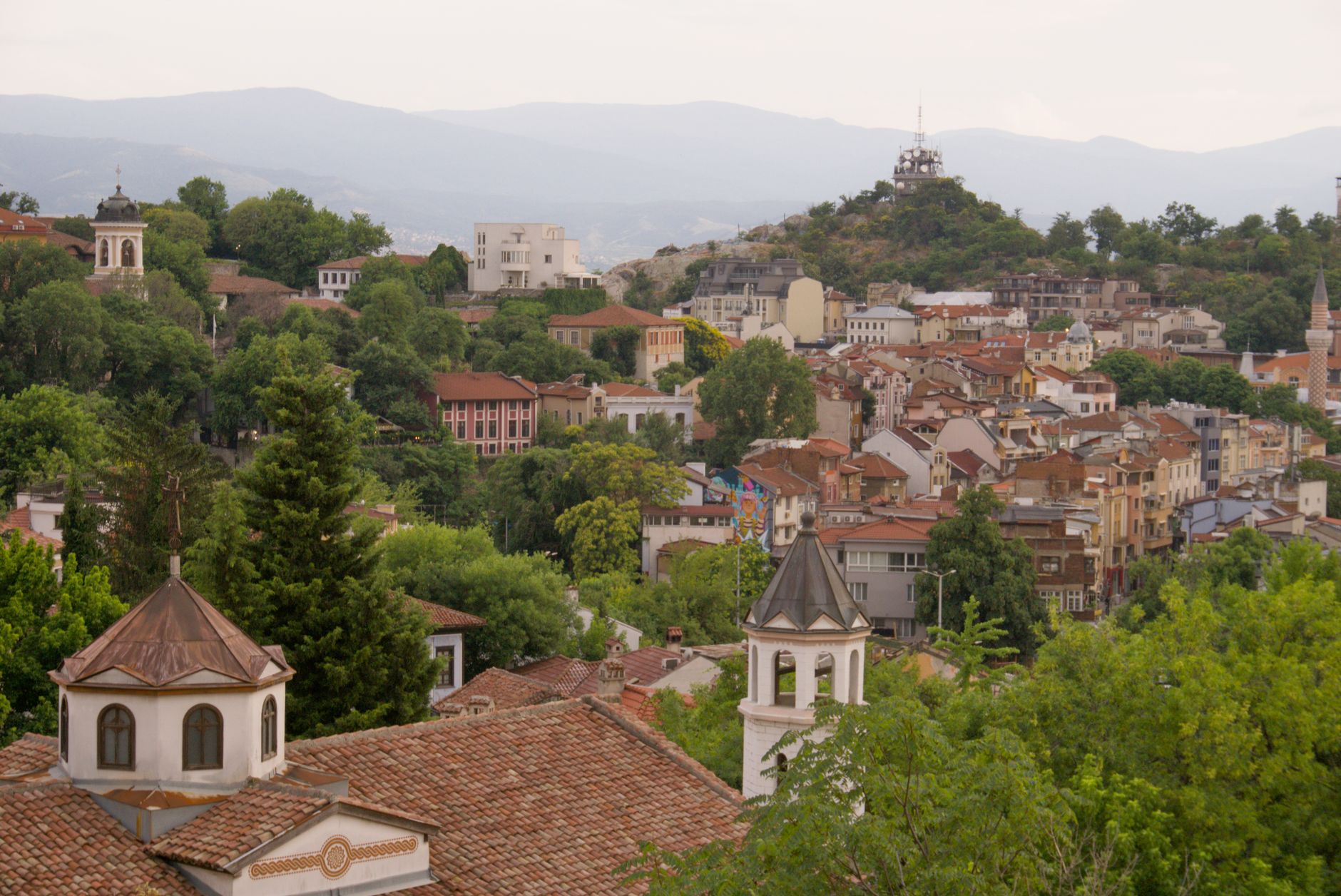
Prices remain significantly lower than Sofia. A meal in a restaurant in the Old Town that would cost twelve euros in Thessaloniki costs six in Plovdiv. Accommodation is cheaper still.
Getting There
Sofia to Plovdiv by train takes roughly two hours and runs frequently. The station in Plovdiv is walkable to the centre - or close enough that a taxi costs almost nothing.
Bulgaria is still outside the Eurozone, using the lev, pegged to the euro at a fixed rate. Cash is still expected in many smaller places.
What happens to Plovdiv if it keeps attracting attention is the question no one there seems particularly worried about yet. That might be the most telling thing about it.