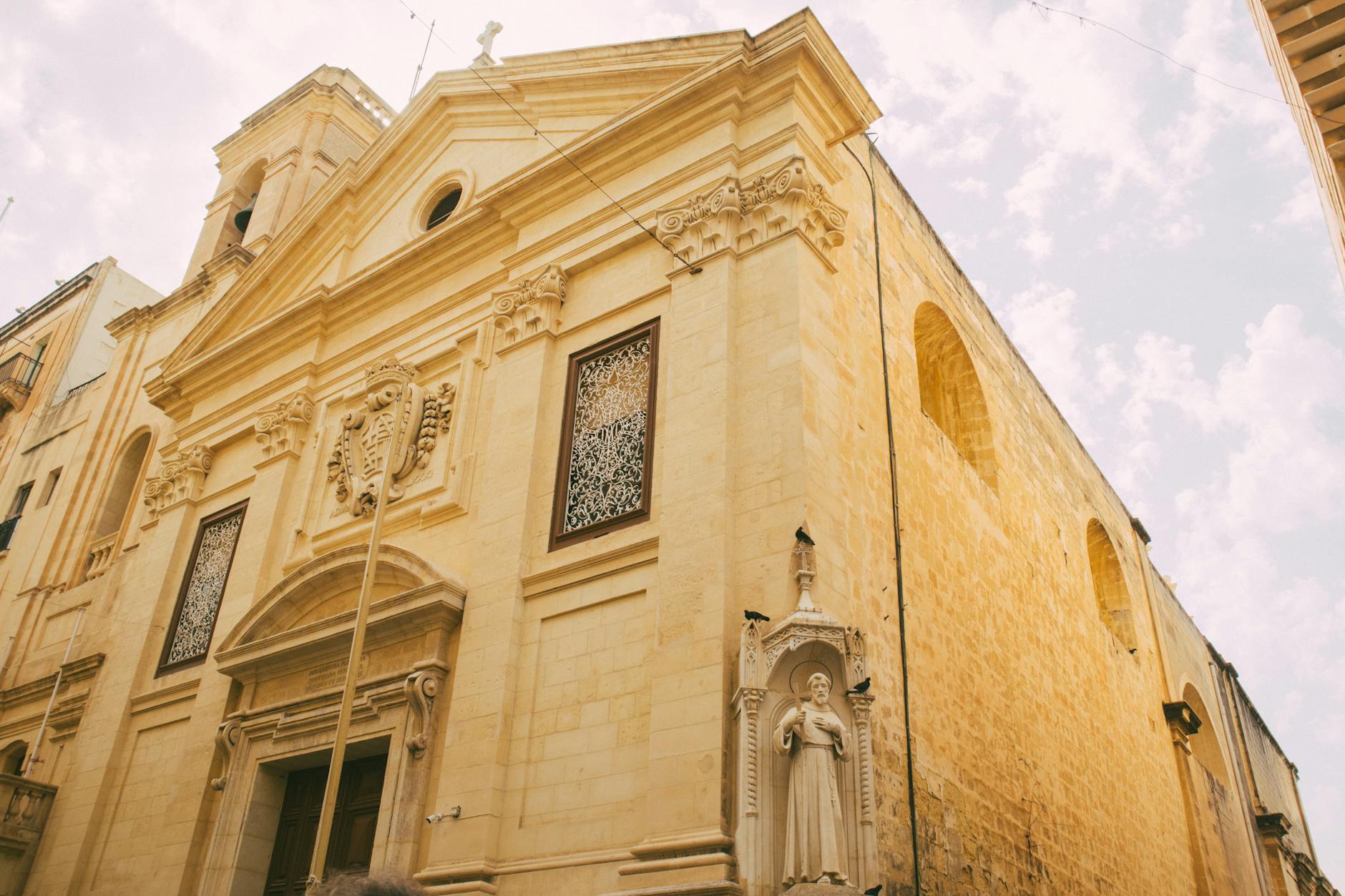
Valletta covers less than one square kilometre. It’s the smallest capital city in the European Union, built on a peninsula by the Knights of St John in the sixteenth century, and designed from a grid plan - which means it’s one of the few European old towns where you almost can’t get lost. That compression changes how you experience it. There’s no sprawl to exhaust you, no outer ring of disappointment after the postcard centre. The whole thing is the centre.
The Grid Was Intentional, and It Still Works
Most medieval cities grew organically, which is charming but exhausting to navigate. Valletta was planned. The Knights laid it out in straight lines after the Great Siege of 1565, which meant streets that run either parallel to the ridge or down the steep sides toward the water. The cross streets drop sharply toward both Grand Harbour and Marsamxett Harbour - some are stepped rather than paved - and from almost any of them you can see the sea at the end. It’s a city where orientation is almost involuntary.
Republic Street is the obvious spine, running the full length from City Gate to Fort St Elmo. It’s touristy, loud in summer, and still worth walking - the mix of baroque churches, a half-ruined opera house (the skeleton left deliberately after WWII bombing), and the Upper Barrakka Gardens at the far end earns it. But the streets one block either side are where the city actually lives. Merchants Street has bakeries and hardware shops and people arguing over parking. Old Theatre Street has bars that don’t close early.
What Valetta Does With Its Size
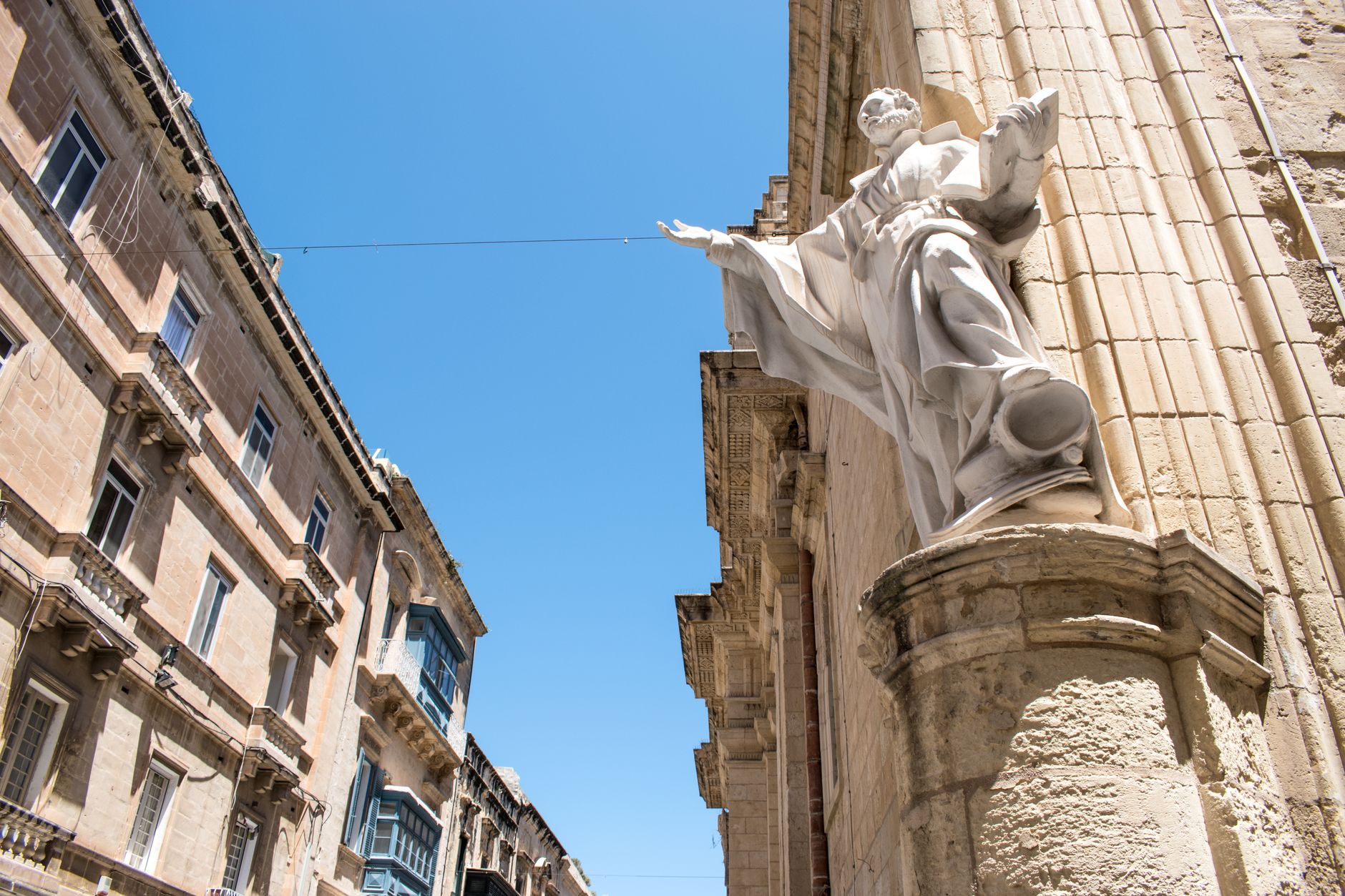
Being small forces density. The Baroque architecture - particularly St John’s Co-Cathedral, which looks unremarkable from the outside and is genuinely overwhelming inside - sits alongside government ministries, residential apartment buildings, and a street market selling vegetables and phone cases within about two hundred metres of each other. There’s no museum district. Everything is embedded.
St John’s Co-Cathedral houses two Caravaggio paintings: The Beheading of Saint John the Baptist and Saint Jerome Writing. The Beheading is the only work Caravaggio signed - he painted his signature into a pool of blood in the lower left corner. That detail alone is worth the entrance fee.
On Staying Overnight
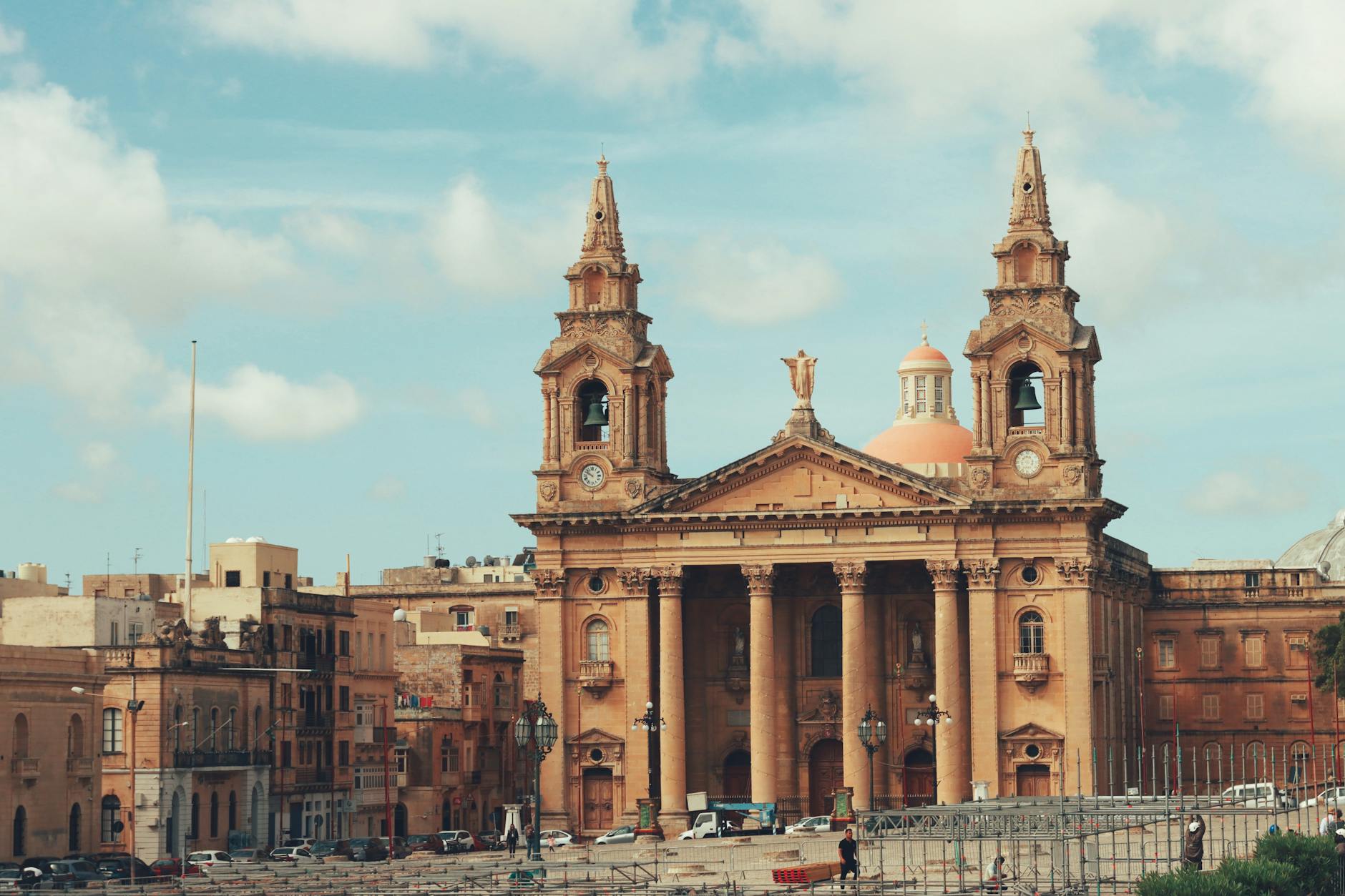
Most people visit Valletta on a day trip from Sliema or St Julian’s, which are ten minutes away by ferry or bus. This is a mistake, not because the city is hard to cover in a day - it isn’t - but because the city after 7pm is a different place. The tour groups leave, the light on the limestone goes gold and then amber, and the restaurants that don’t bother putting out signs fill up with Maltese families. The accommodation options within the walls are limited and not cheap, but staying inside the grid at least once is worth it.
Malta’s broader tourist infrastructure is built around the beach resort towns to the north, which is fine if that’s what you’re after. But Valletta doesn’t particularly compete with that. It’s doing something else - smaller, older, stranger - and the more time you give it, the more that registers.