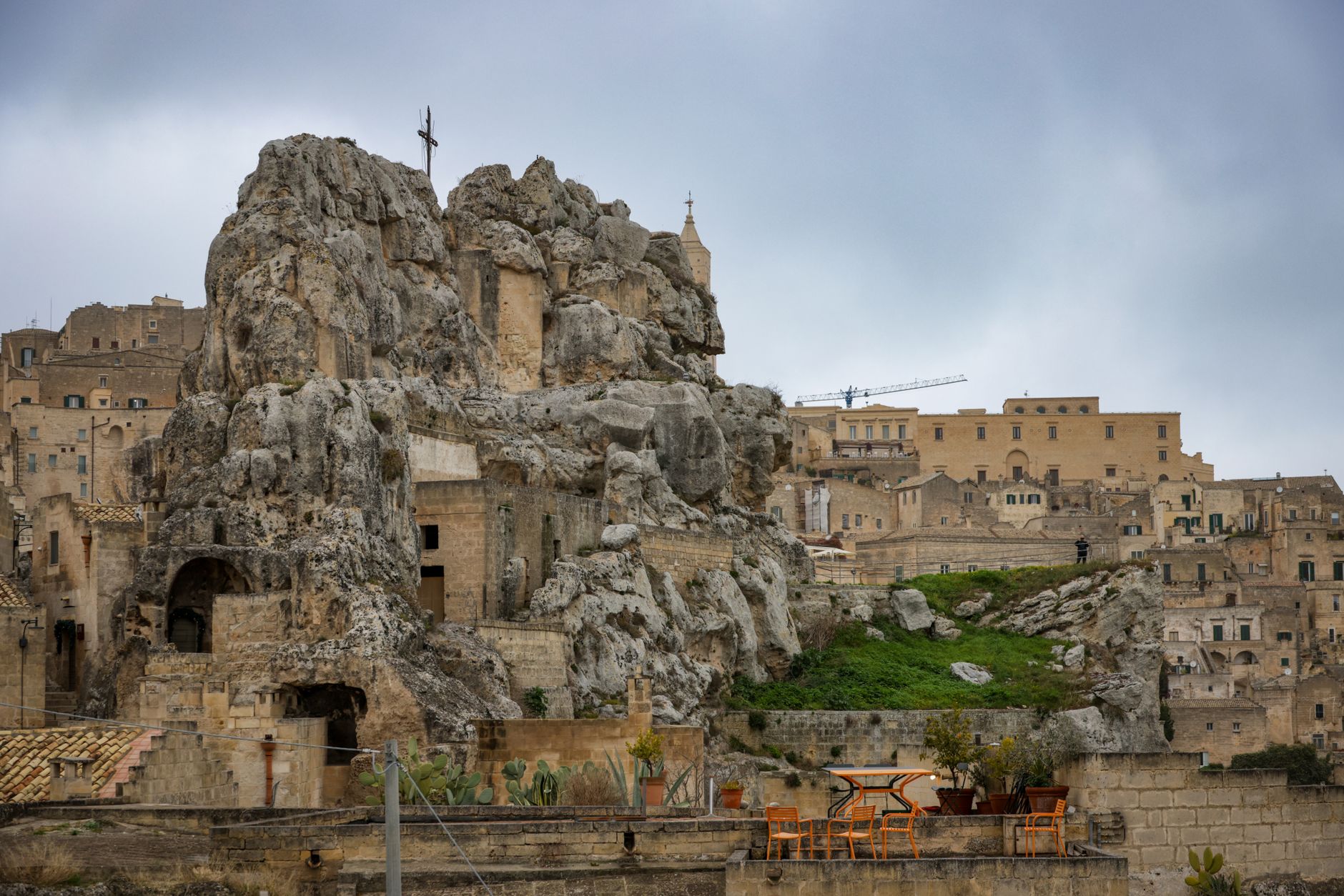
Most cities described as ‘ancient’ have cordoned off the old parts and moved the population somewhere else. Matera hasn’t done that. The sassi - two districts of cave dwellings carved into a ravine in Basilicata, southern Italy - are UNESCO-listed, have appeared in films including No Time to Die and Mel Gibson’s The Passion of the Christ, and are genuinely inhabited by people who live in converted cave homes, run restaurants out of hollowed tufa rock, and park their cars on streets that look like they belong in a Biblical epic.
This matters practically. Matera is not a ghost town you walk through and leave. It requires a different kind of attention.
The Sassi Are Two Districts, Not One
Sasso Caveoso and Sasso Barisano sit either side of the ravine called the Gravina. Caveoso is quieter, faces the ravine more directly, and tends to draw fewer day-trippers. Barisano is closer to the upper town and has more restaurants and cave hotels along its main drag. Most visitors see Barisano and think they’ve seen Matera. They haven’t.
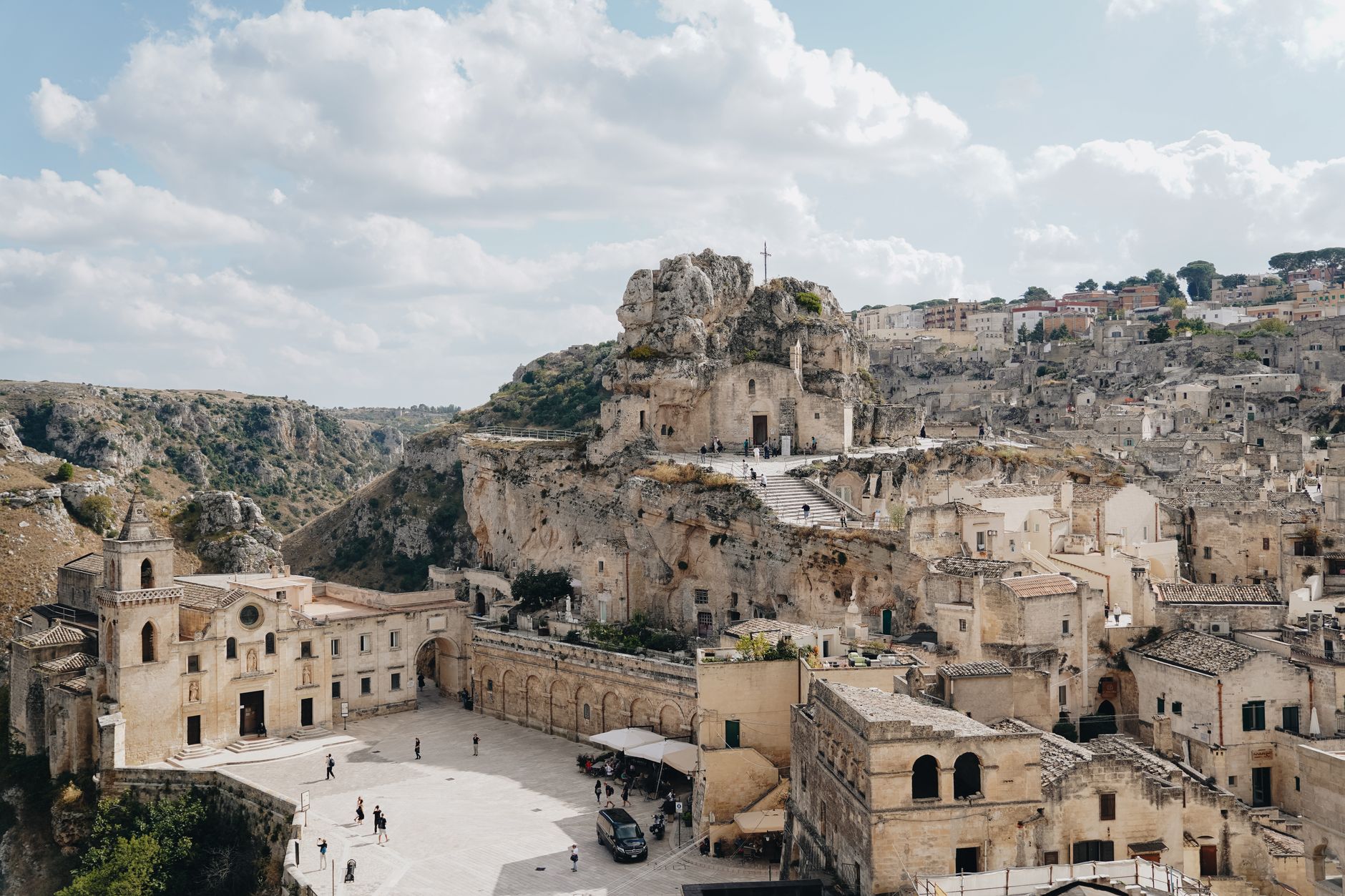
The difference becomes obvious around late afternoon when the day coaches leave. Caveoso empties out noticeably. It’s also where you’ll find the rupestrian churches - Santa Maria de Idris, San Pietro Caveoso - which are built into the cliff face rather than constructed on top of it.
When to Go
August is the wrong month if you have a choice. Basilicata in high summer is brutal - routinely above 38°C - and the stone amplifies the heat rather than relieving it. The sassi were partly abandoned in the mid-twentieth century partly because they were difficult to keep cool in summer and warm in winter. Cave insulation is inconsistent, despite what hotel marketing suggests.
May and October are the obvious answers, and they’re obvious for good reason. October in particular is quiet enough that you can walk the lower paths of the Gravina park across the ravine - which faces Matera directly - without encountering many other people at all.
Getting There Is the Awkward Part
Matera sits in Basilicata, one of Italy’s least-connected regions. There’s no direct train from Rome or Naples. The standard approach is to fly into Bari, take the Ferrovie Appulo Lucane regional train to Matera Sud - roughly 1.5 hours - or rent a car in Bari and drive 65 kilometres southwest. The train is slower but drops you closer to the sassi. The car is faster but parking in Matera’s upper town is genuinely confusing the first time.
One night is not enough. The city looks different at dawn when the light hits the ravine from the east, and different again at night when the cave hotels light up the tufa. Budget two nights minimum, ideally three.