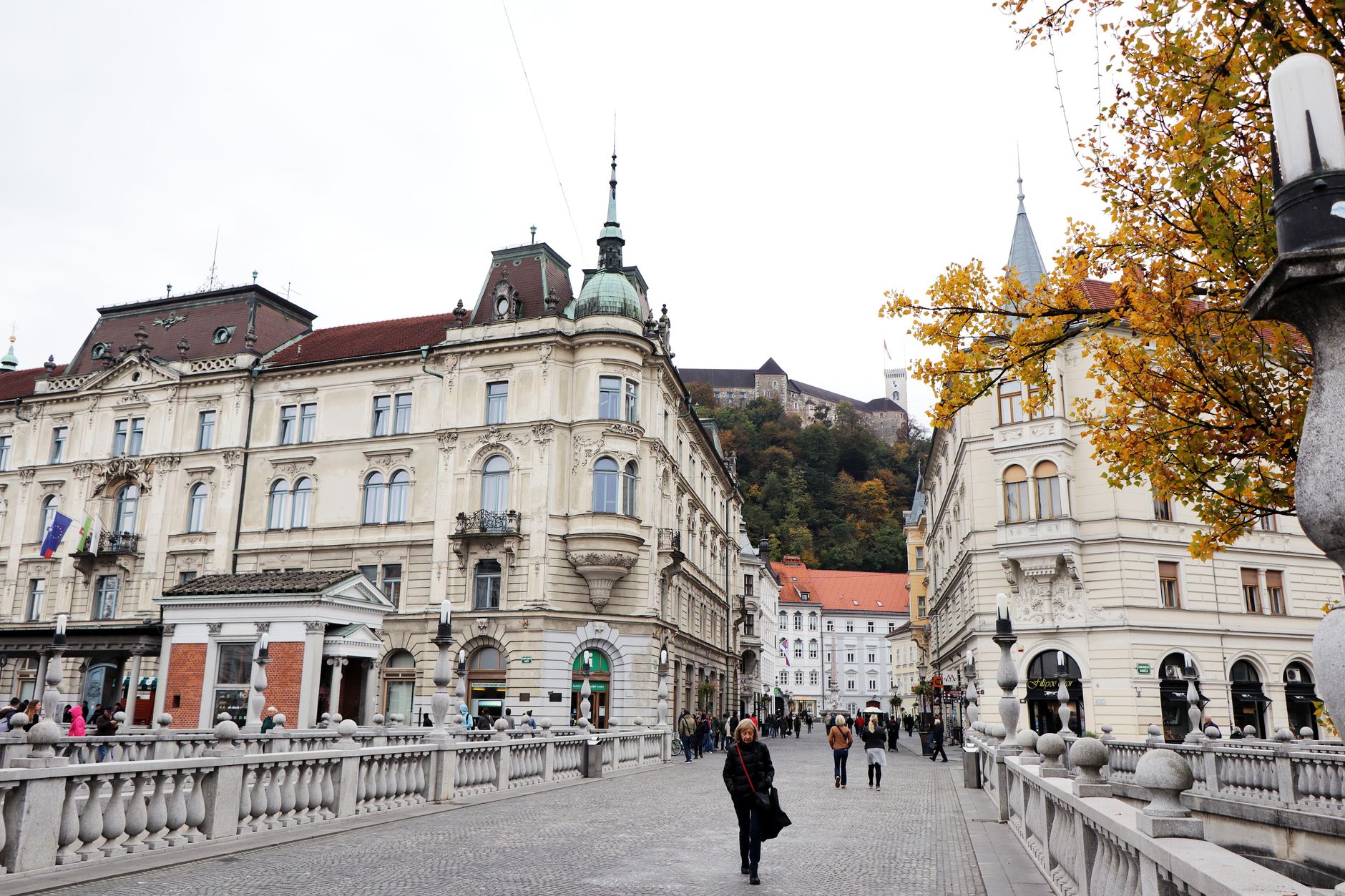
Most people arrive in Ljubljana because it fits neatly between two bigger cities on an itinerary. They cross the Triple Bridge, eat something near Prešeren Square, and leave feeling like they’ve seen it. They haven’t.
The scale of the city works against it first. Ljubljana’s old town is genuinely walkable in under twenty minutes, which makes visitors assume they’ve finished it. But the city’s actual texture - the one worth staying for - is in the neighbourhoods that don’t photograph well. Krakovo, south of the centre, is a grid of low houses and market gardens that has barely changed in form since the Middle Ages. On weekend mornings, the open-air market along the Ljubljanica draws a crowd that’s overwhelmingly local. You can buy honey, cheese, and žganje from producers who’ve been coming to the same spot for years.
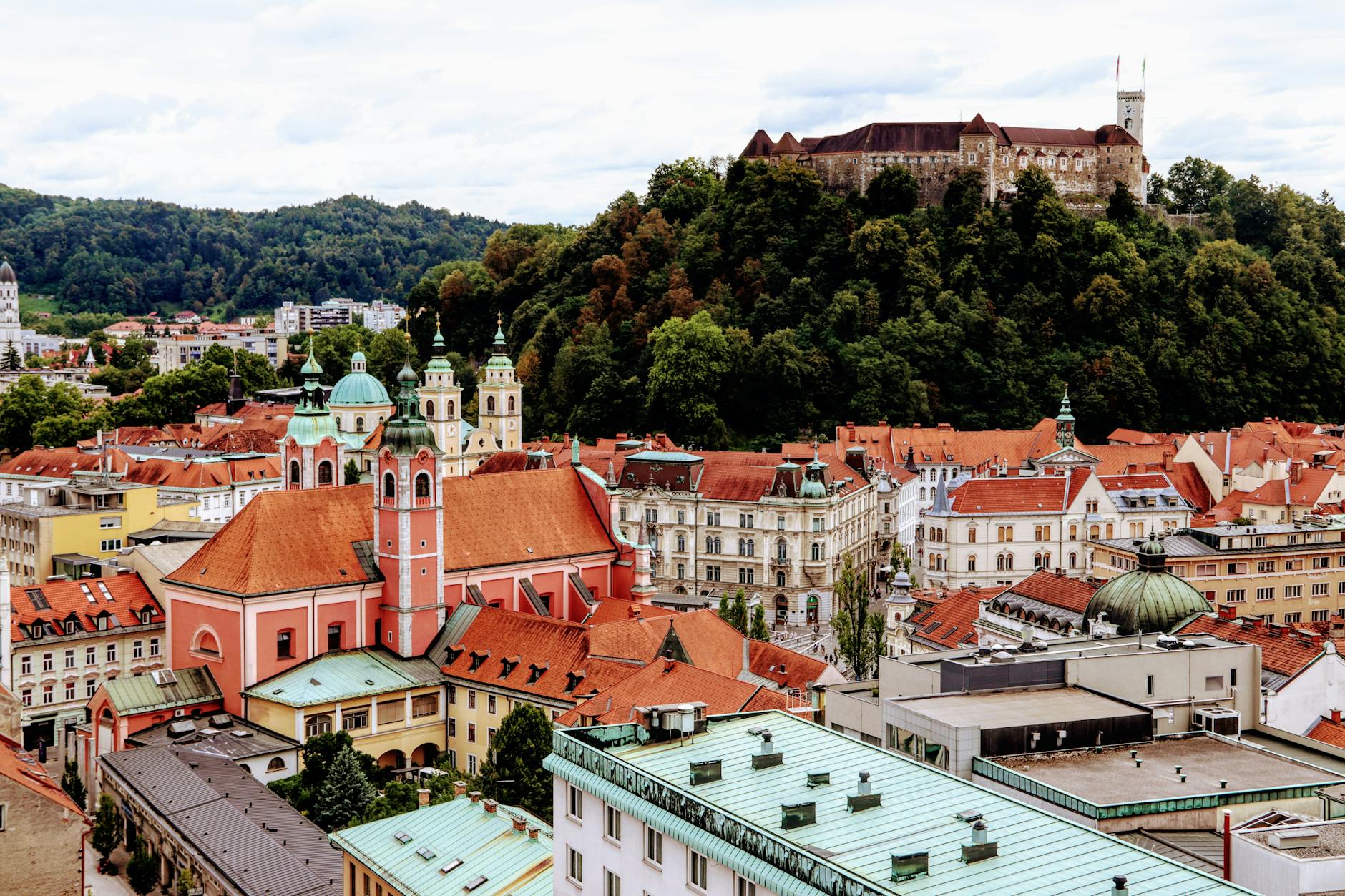
The castle is worth the walk up, but not for the views everyone photographs. Inside, there’s a permanent exhibition on Slovenian history that’s unusually honest about the complexity of the Yugoslav period - something you don’t always find handled this directly in the region. It’s not dramatic museum-making, just careful and clear.
The food situation is better than the reputation suggests
Slovene cuisine gets lumped in with ‘Central European stodge,’ which undersells it considerably. The country sits at a convergence of Alpine, Mediterranean, and Pannonian influences, and Ljubljana’s restaurant scene reflects that without making a fuss about it. Gostilna - the traditional inn format - is the right place to start. The wine poured in these places is often from the Vipava Valley or the Karst region, both producing wines with real character that remain largely unknown outside Slovenia.
On the question of how long to stay
Two nights is the floor. Three is better, not because there’s more to see but because the city’s pace requires some adjustment. Ljubljana runs slower than Vienna and quieter than Zagreb, and the first day is largely spent recalibrating. By the third morning you’re eating breakfast without checking anything.
The tourists who breeze through on a day trip from elsewhere aren’t wrong about Ljubljana being easy to reach. They’re just leaving before the city becomes interesting - which happens somewhere around the second evening, when the riverbank fills up and you stop trying to optimise your time there.