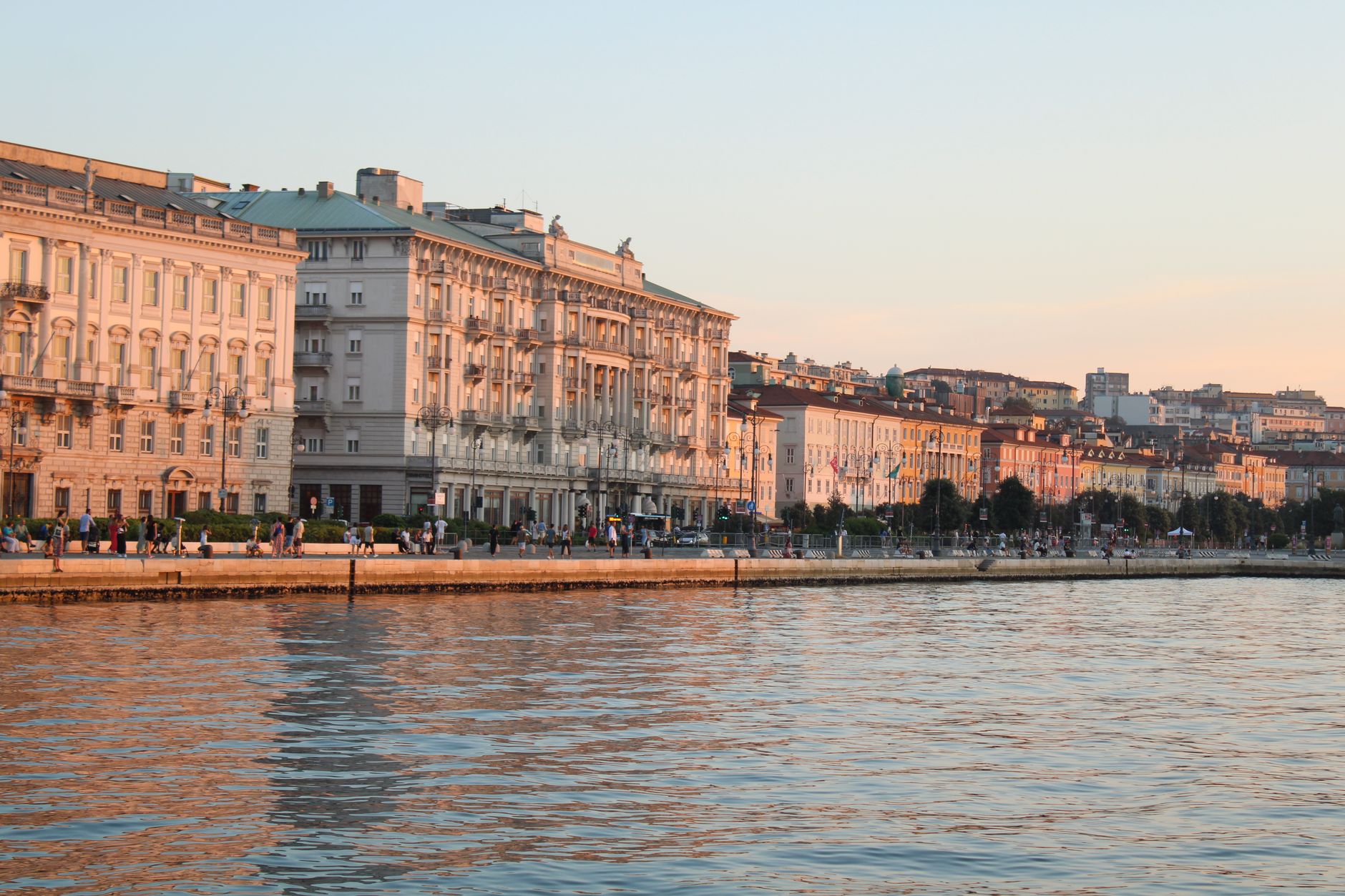
Trieste is technically Italian, has been since 1954, but the city resists that classification the moment you walk the waterfront. The architecture along the Riva is Central European - wide, heavy, built for an empire. The coffee culture here is also its own thing: locals order a nero where the rest of Italy would say espresso, and the terminology shifts again depending on how much milk you want. Visiting from Venice or Ljubljana and expecting a typical Italian city is a setup for confusion.
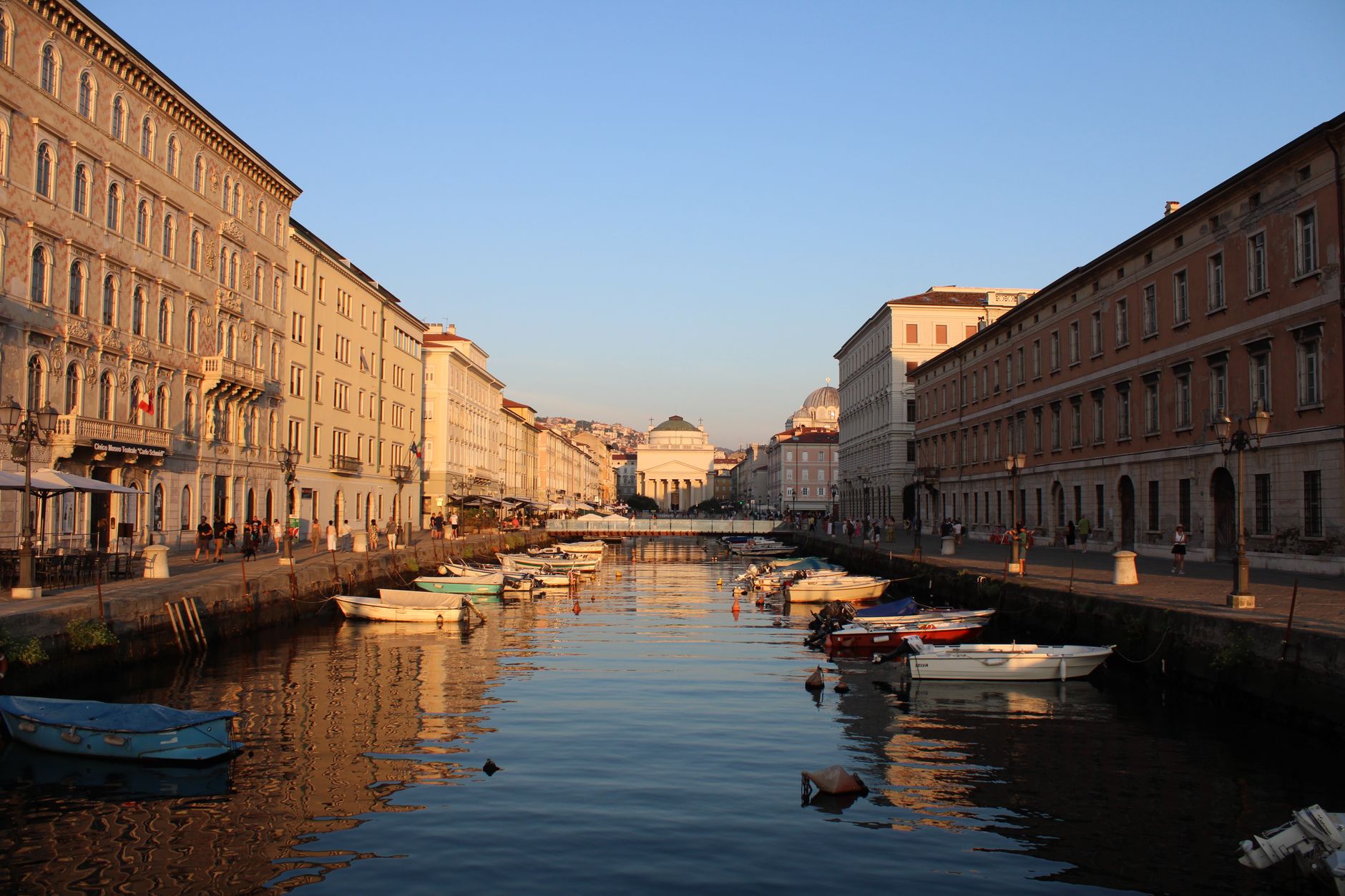
For roughly 300 years, Trieste was the main seaport of the Habsburg Empire. That history left a physical imprint that never quite washed off. The Piazza Unità d’Italia, which faces the sea, was designed to project imperial power rather than Mediterranean warmth - it’s one of the largest sea-facing squares in Europe. The city’s Neoclassical and Baroque buildings were funded by Austrian trade money, and the result is a streetscape that looks more like Vienna’s outer districts than anywhere in Veneto.
The Carso plateau, the limestone tableland that sits directly above the city, is worth the 20-minute bus ride up. The plateau is used for growing the grapes behind Terrano and Vitovska wines - indigenous varieties that appear on very few wine lists outside the region. A handful of osmize operate up there: informal farm-wine stops, traditionally signalled by a branch of ivy above the door, where you can drink local wine and eat cured meats in someone’s courtyard. The tradition dates to an 18th-century Habsburg decree allowing farmers to sell surplus wine directly. Most osmize operate on irregular schedules, and finding current listings in English requires some searching - but the tourist office in Trieste maintains a reasonably updated list.
The city also has a serious literary history. James Joyce lived here on and off for over a decade in the early 20th century, working on Dubliners and A Portrait of the Artist as a Young Man while teaching English. There’s a statue of him on Via Roma. Italo Svevo was born here. None of this is obscure trivia in Trieste - both are present in the city’s identity in ways that feel genuine rather than curated for tourism.
Trieste is easy to reach by train from Venice in about two hours. Most travellers pass through without stopping. That, as much as anything else about it, is the correct argument for going.