Most people put Palermo at the end of a Sicily trip, treating it as the departure point after quieter days in Taormina or Agrigento. That’s backwards. Palermo is the kind of city that recalibrates your senses, and you want that recalibration early.
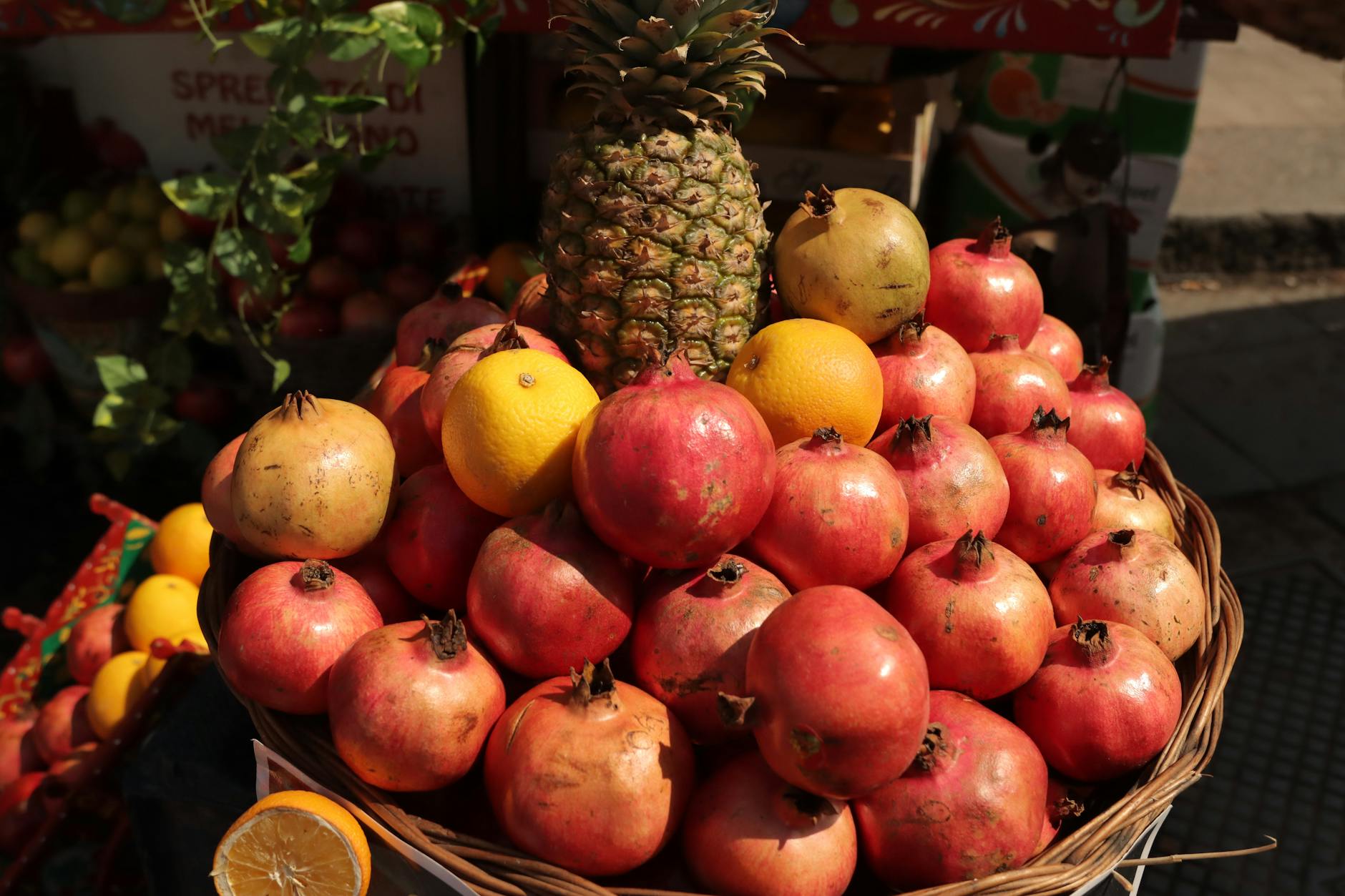
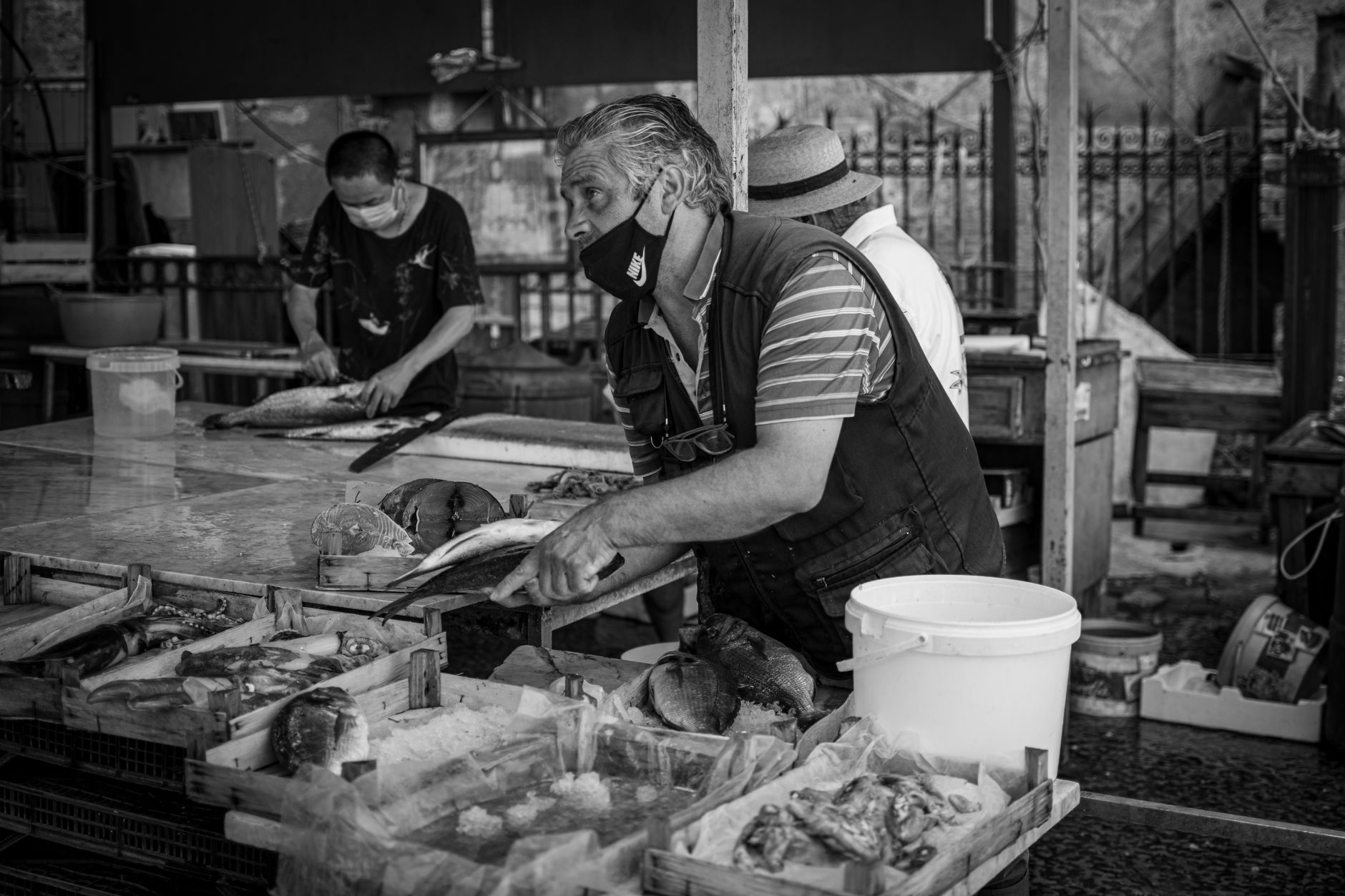
The Ballarò market in the Albergheria district starts before 7am. Vendors sell swordfish heads, piles of cardoons, and fried spleen sandwiches - pani câ meusa - out of converted three-wheelers. The smell is fish, charcoal, and diesel in roughly equal measure. Nobody is performing for tourists here; this is just how the neighbourhood shops. Compared to Catania’s Pescheria, which has grown self-aware over the past decade, Ballarò still operates like a market first and an attraction second.
The Architecture Is a History Lesson You Didn’t Ask For
Palermo spent centuries under Arab, Norman, and Spanish rule in close succession, and the city never fully resolved those influences into a single style. The Palazzo dei Normanni - seat of the Sicilian Regional Assembly and one of the oldest royal residences in Europe - contains the Cappella Palatina, a 12th-century chapel with Byzantine mosaics, Arab muqarnas ceilings, and Norman stonework in the same room. It shouldn’t cohere, and it doesn’t entirely, but that tension is the point. You’re not meant to leave feeling settled.
The Quattro Canti, the baroque intersection at the city’s historic centre, gets photographed constantly but rarely looked at. Each of the four concave façades represents a season, a Spanish king, and a patron saint simultaneously. It’s overstuffed symbolism, typical of 17th-century civic theatre, and it works precisely because nobody in Palermo seems particularly impressed by it anymore.
On Food, Briefly
Sicilian cuisine in Palermo leans heavily on sweet-sour combinations - agrodolce - that came with Arab agricultural influence: caponata, stuffed sardines with pine nuts and raisins, pasta con le sarde. This isn’t fusion in the modern sense. It’s layering that happened over centuries and was never unwound.
Getting Around
The city centre is walkable, but the footpaths in older neighbourhoods are genuinely uneven. Renting a car inside Palermo is not worth it; parking is chaotic and the historic centre has restricted traffic zones. Trains run from Palermo Centrale to Cefalù in under an hour, which makes a morning trip feasible if the city starts feeling like too much.
And it might. Palermo is loud in a way that goes beyond decibels - there’s a density of sensation, visual and olfactory and social, that some travellers find exhausting rather than energising. Whether that’s a warning or a recommendation probably depends on what you came to Sicily looking for.