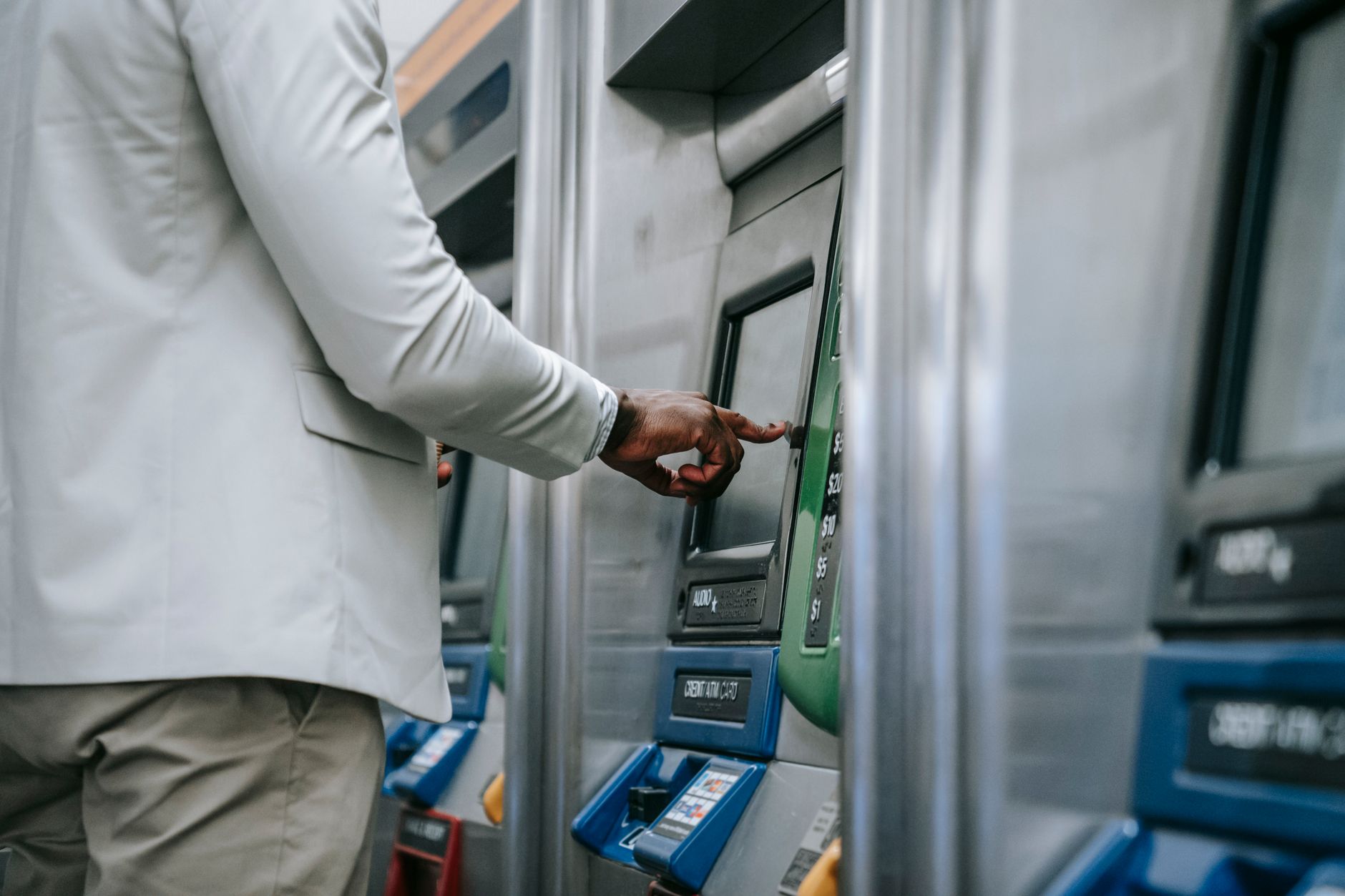
Every ATM abroad does it. The screen asks whether you want to complete the transaction in the local currency or your home currency, and it frames the home currency option as a convenience. It is not a convenience. It is a fee dressed up as a favour.
This is called Dynamic Currency Conversion, or DCC, and it exists because the ATM operator - not your bank - gets to set the exchange rate when you choose your home currency. That rate is almost always worse than what your own bank would apply, sometimes by 3–7%. On a €300 withdrawal, that difference is real money. Always choose the local currency. Always.
The Card You Travel With Matters More Than The Account
Most high-street bank debit cards still charge foreign transaction fees - typically 1–3% on every purchase, plus a flat ATM withdrawal fee on top. If you’re paying for a week of accommodation, meals, and transport on one of these cards, those fees compound quietly and significantly.
There are cards specifically designed to eliminate this. Wise, Revolut, and Starling (for UK travellers) are the most commonly used. Charles Schwab’s debit card is popular among American travellers for its ATM fee refunds. These are not sponsored recommendations - they’re just what people who travel regularly tend to use. Get at least one before you leave, and keep your regular bank card as backup rather than your primary spending tool.
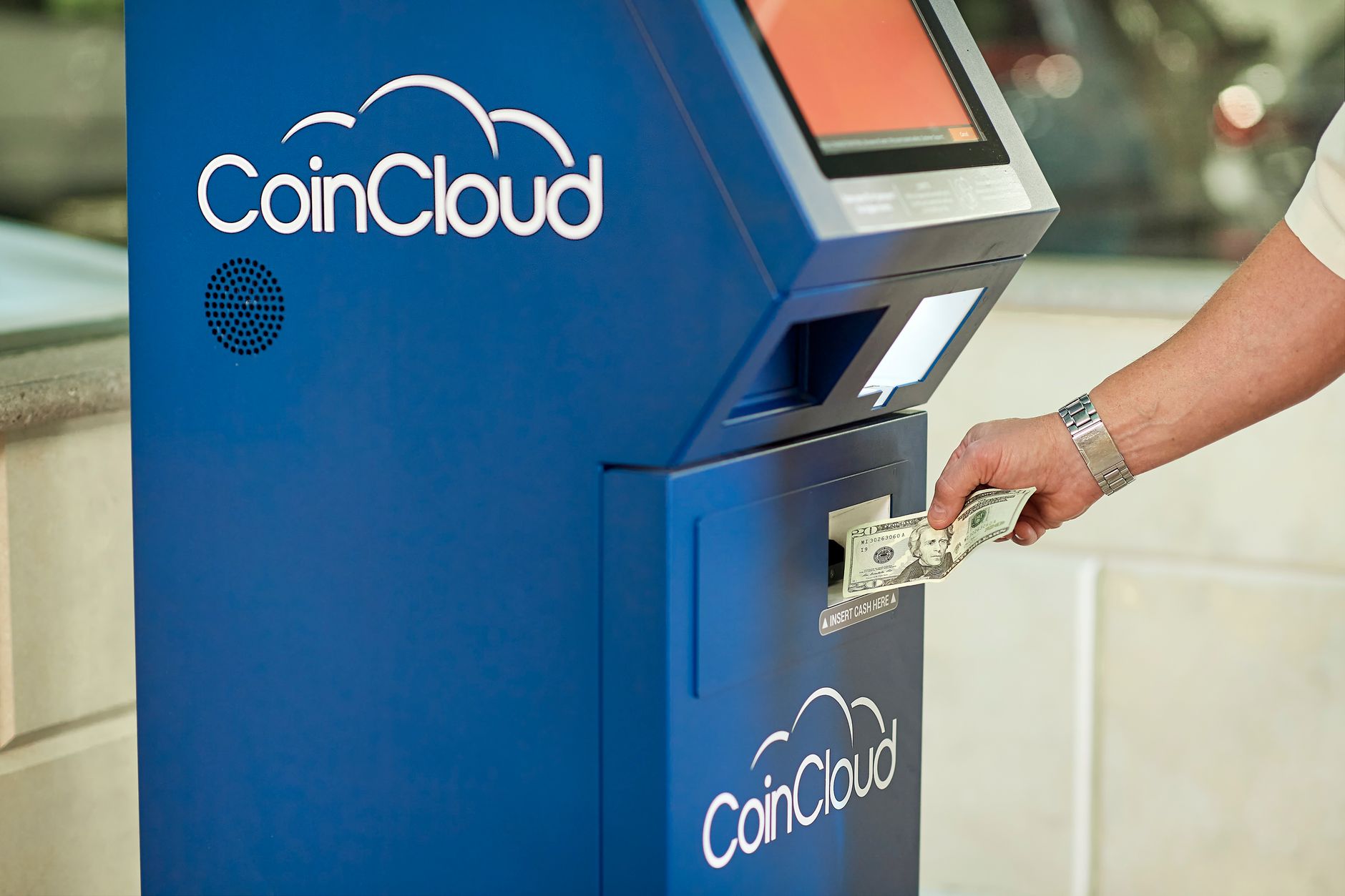
ATMs Over Airport Exchange Desks, Almost Always
Airport currency exchange booths survive on inertia. People land, see a familiar logo, and hand over cash for a rate that would embarrass a street market in 1987. The only situation where an exchange desk makes sense is if you need a small amount of local cash immediately and the airport ATMs are down or out of service. Otherwise, walk past them.
The better move is to arrive with a small amount of local currency you’ve withdrawn before departure, or accept that you’ll find an ATM in the arrivals hall or nearby street within ten minutes.
One Practical Thing Most People Skip
Tell your bank you’re travelling before you go. Not because they’ll block your card otherwise - they often won’t - but because when they do flag a transaction as suspicious and freeze your account at 11pm in a city where you have no cash and your phone is at 8%, you will wish you had spent thirty seconds on a notification app.
Set the travel notice. Keep a backup card in a different place from your main one. Know your bank’s international customer service number before you need it.