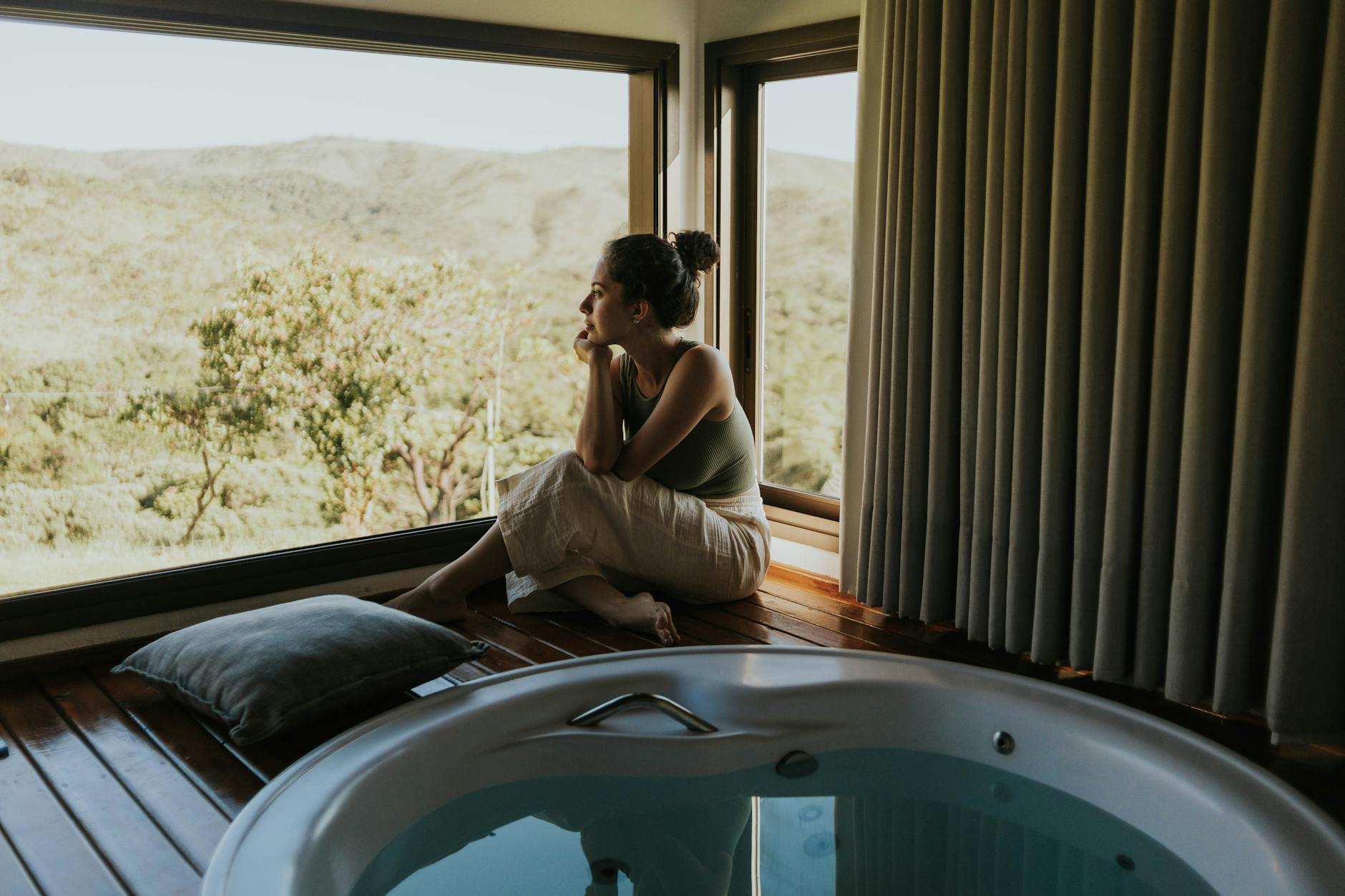
Ten years ago, a typical trip plan was flights, a hotel, and a list of things to see. That list now looks different. A growing share of travelers pack foam rollers, track their sleep across time zones, and weigh destinations partly on whether the hotel has a decent sauna. The checklist hasn’t just expanded - it has changed shape.
Wellness Enters the Research Phase
Before a flight is booked, many travelers have already spent hours reading about recovery strategies, sleep support, and how to keep stress manageable on the road. Long-haul flights, jet lag, irregular eating, and the low-grade tension of moving through unfamiliar places push people to think about their bodies and minds differently than they would at home.
That research habit has expanded what travelers look up online. Health is now something people actively try to support during a trip, not just something to address if it goes wrong.
Slow Travel Replaces the Highlight Reel
Slower, more intentional travel is one of the clearest behavioral shifts in tourism over the past few years. Where a trip once meant squeezing eight cities into ten days, many travelers now choose to stay longer in fewer places - and to actually rest while they’re there. Extended stays, nature retreats, and coastal escapes built around balance rather than constant movement are more common than they used to be.
The appeal isn’t laziness. It’s the recognition that burnout is real, and that a trip structured to leave you exhausted often does exactly that. People return from those trips needing a recovery week, which rather defeats the point.
Digital nomads have pushed this further. When your laptop comes with you, a destination’s quality of life matters as much as its attractions - walkability, outdoor access, the pace of daily life. The result is a growing group of travelers who care more about feeling well in a place than about maximizing what they’ve technically seen.
Why Wellness Tourism Keeps Growing
Yoga retreats, thermal wellness centers, spa destinations, meditation resorts, and fitness-focused travel packages keep drawing larger audiences each year. That growth reflects real demand from people who want trips that support healthier living rather than temporarily suspend it. Hiking, mobility classes, healthy dining, and structured recovery programs are now standard offerings at properties that would previously have marketed themselves purely on location or luxury.
Healthcare Access as a Destination Factor
Travelers managing health conditions abroad are increasingly factoring in healthcare access when choosing where to go. Consulting both regulated health platforms and official sources - such as NHS guidance - before and during trips has become part of how health-conscious travelers prepare. The broader shift is one of posture: health is treated as something to plan around, not something to improvise.
Source: Wellness and Slow Travel Are Changing How People Plan Trips