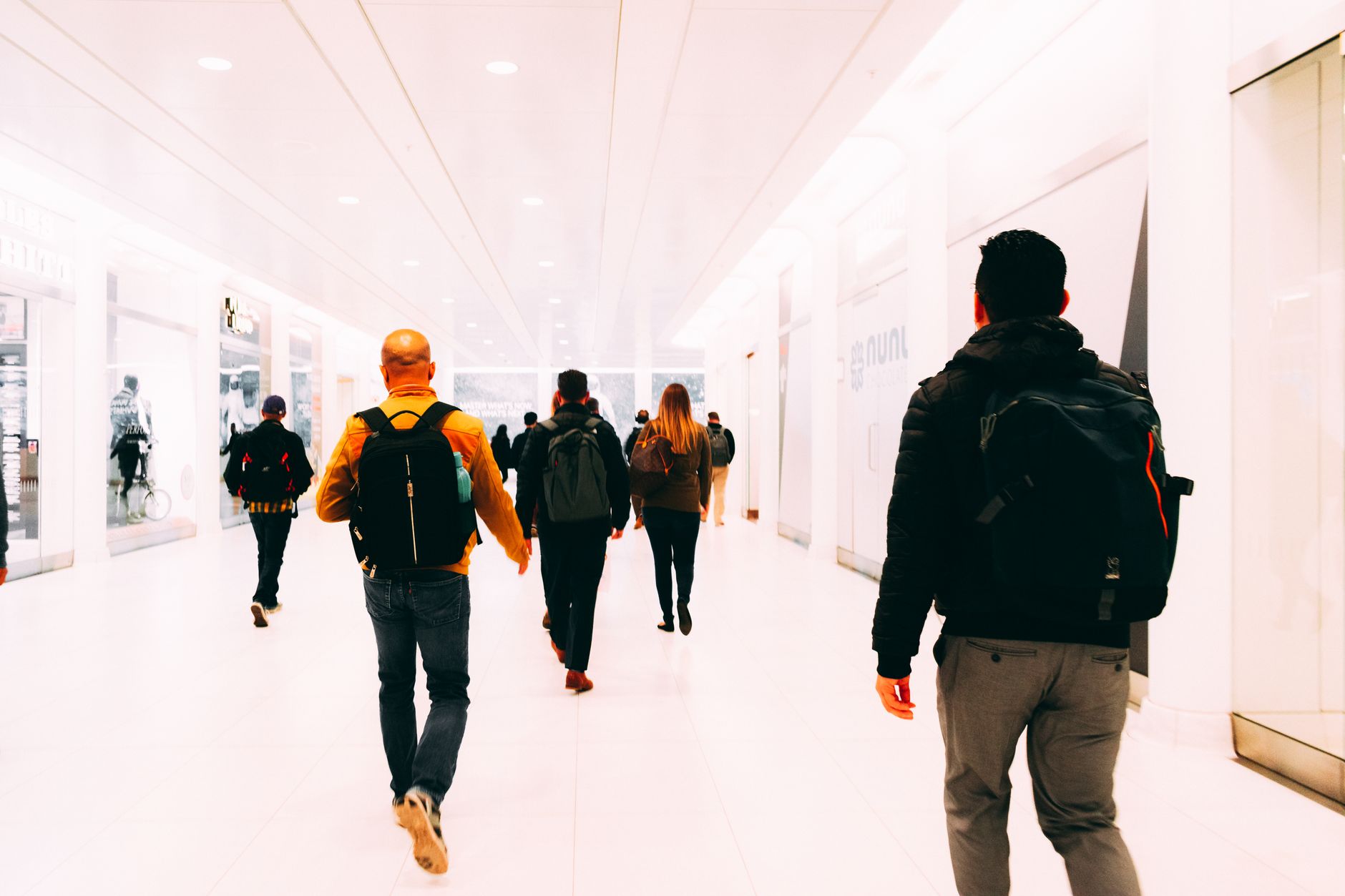
The fare you see on a budget airline is the opening bid. The bag fee is where the real price gets set, and on a short trip it can rival the ticket itself. Check any low-cost carrier’s current rates and you’ll often find that a cabin trolley or a checked bag costs more than the flight did on a good sale day.
So don’t buy it. Pack for the free allowance, which on most low-cost airlines is a small bag that goes under the seat in front of you. Sizes differ by airline and change from time to time, so measure your bag against the carrier’s current rules rather than trusting a number you remember.
What actually has to go
Most of what people pack is a hedge against situations that won’t happen. A third pair of shoes, a jacket for the one cold evening, the “just in case” outfit. I’d argue you can replace all of it with three rules: one pair of shoes you can walk eight hours in, clothes that dry overnight, and nothing you’d be upset to leave behind.
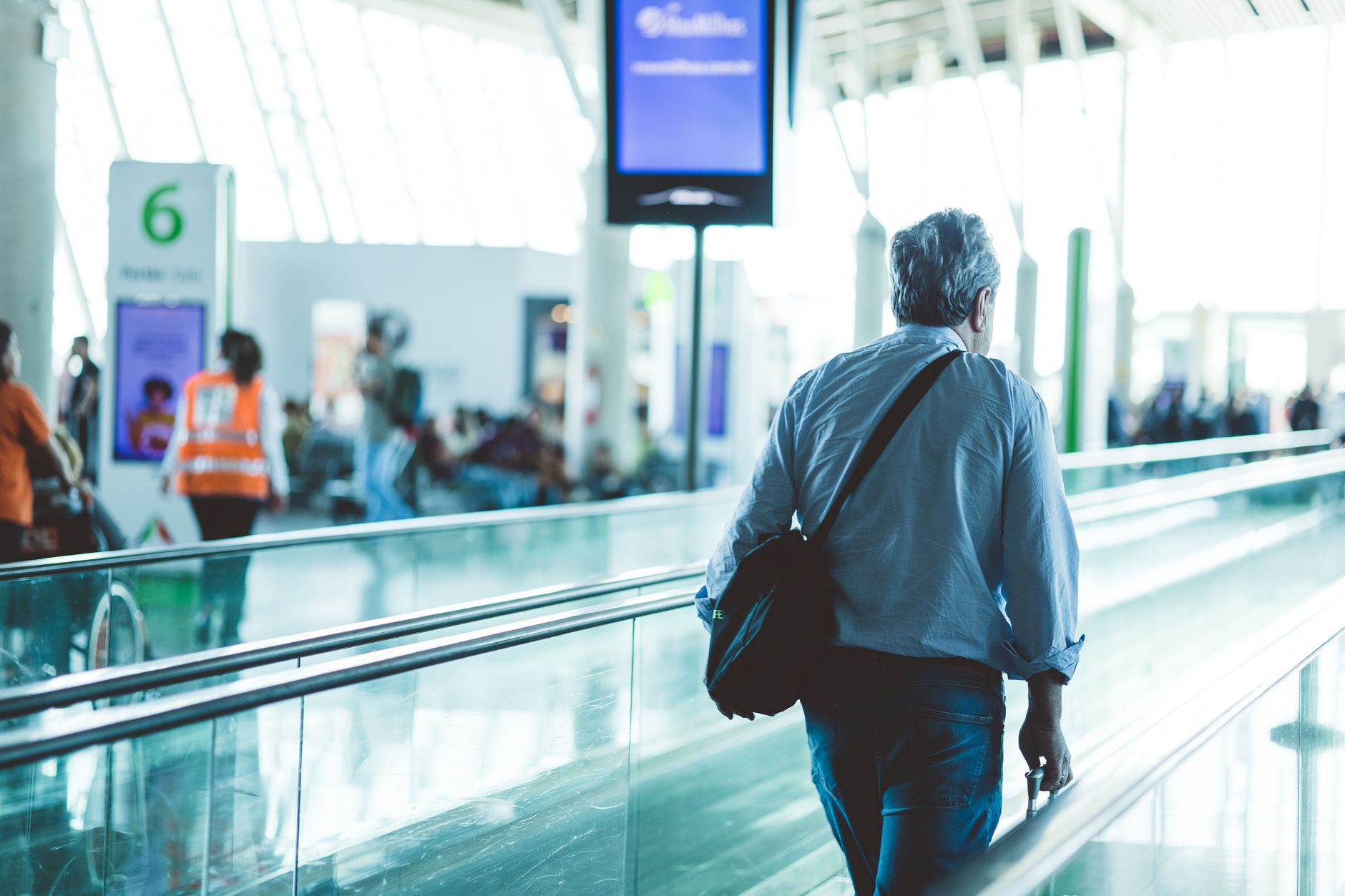
The sink does the rest
This is the trade-off, and it’s a real one. Packing light means washing clothes mid-trip. In a hostel or guesthouse that takes ten minutes: shirt and socks in the basin with a squirt of travel wash or ordinary hand soap, rinse, twist in a towel, hang it by the window. Synthetic and merino fabrics are dry by morning. Cotton jeans and thick hoodies are not, which is why they stay home.
It isn’t glamorous, and some evenings you’ll resent it. But a rinse once every two or three days beats paying a fee both ways.
Where it stops working
The system gets harder in cold weather, because bulky layers eat the space. In winter, wear the heaviest items on the plane and carry the rest. Long trips, trips with gear for hiking or diving, and trips where you’re attending a wedding are all fair reasons to pay for a bigger bag. Pay without guilt.
For a long weekend or a week in a city, though, a bag you can hold on your lap has a side benefit that has nothing to do with money. You walk off the plane and straight past the baggage belt. You take the cheaper bus because you’re not dragging a case over cobbles. You can change your plans on the street, because everything you own is on your back.