Restaurants in Thessaloniki don’t fill up until 9:30pm on a weeknight. By 10, the tables outside are loud and full. By midnight, people are still ordering. This isn’t a tourist affectation or a summer-only thing - it’s simply when the city eats, and the kitchen is ready for it.
Most visitors from northern Europe or North America arrive hungry at 7pm, find half-empty tavernas with slightly listless staff, eat early, and conclude that Thessaloniki is a fine but unremarkable food city. They’re not wrong about the meal they had. They just ate at the wrong hour.
The Modiano and Kapani Markets Are Morning Business
The flip side of the late-night dinner culture is that the central markets - Modiano and the adjacent Kapani - are strictly morning operations. Modiano, the covered market built in the 1920s, has fishmongers, spice sellers, and butchers who are packing up by early afternoon. If you arrive after 1pm expecting a lively market scene, you’ll find metal shutters and a few vegetable stalls limping toward closing time.
Go before 11am. The fish counter along the inner arcade is worth seeing even if you’re not buying - whole fish laid out on ice next to unfamiliar Aegean species, and vendors who will explain what anything is if you ask.
What Thessaloniki Actually Does Well
The city has a specific culinary identity that’s distinct from Athens and owes something to its Ottoman and Sephardic Jewish history, as well as its position as a trading port. Bougatsa - a pastry filled with semolina custard or minced meat - is eaten here for breakfast in a way that feels genuinely local rather than touristy. The trigona Panoramatos, a cream-filled pastry from the Panorama neighbourhood above the city, is the kind of thing locals bring back as a gift when they visit from elsewhere.
The meze culture is serious. A proper order at a tsipouradiko - a traditional eatery built around tsipouro, the local pomace spirit - comes with small plates of food included with every round of drinks. You don’t order the food separately. This is not a tapas situation where you build your own meal. The kitchen decides what comes out.
One Practical Note
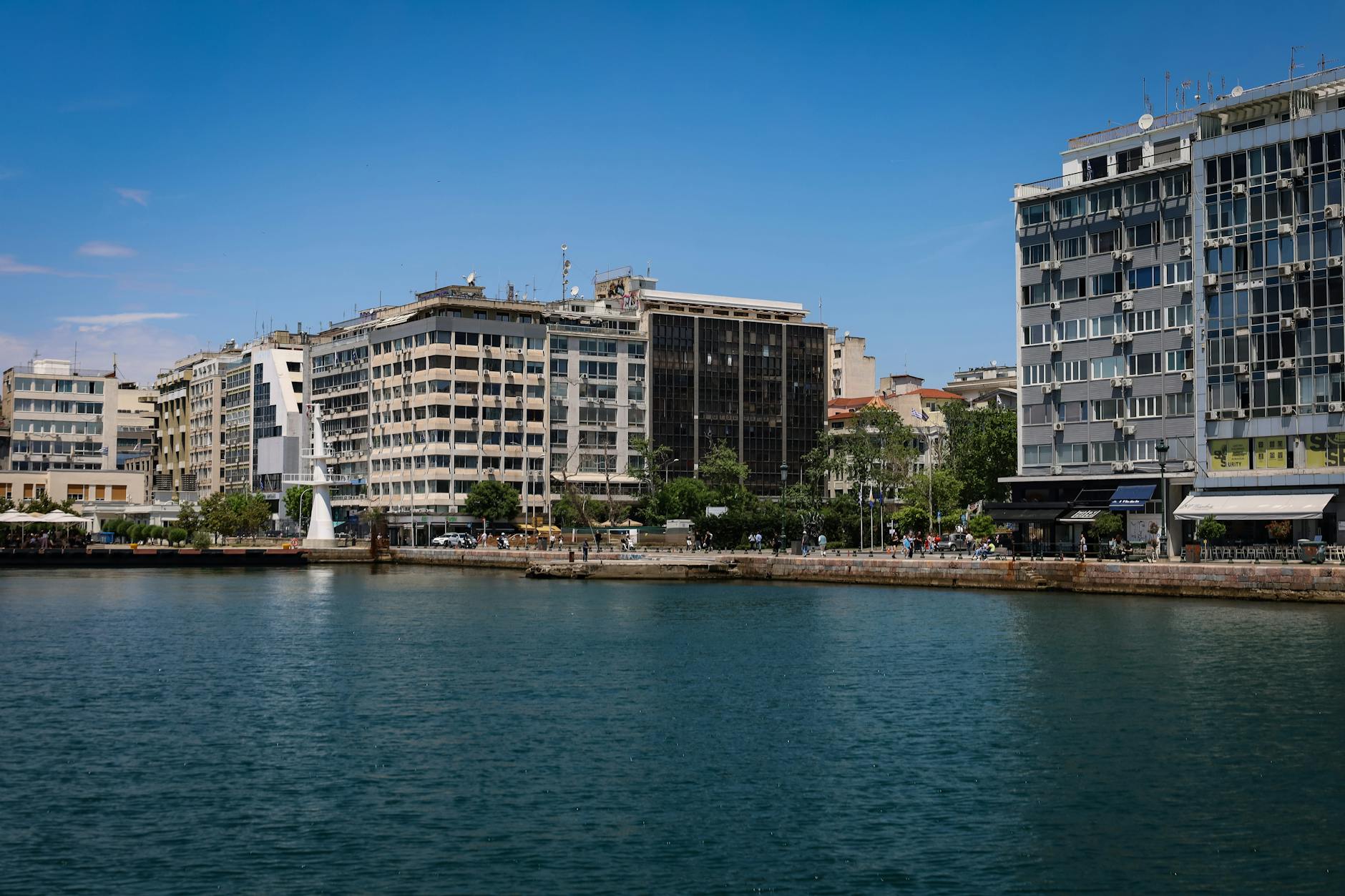
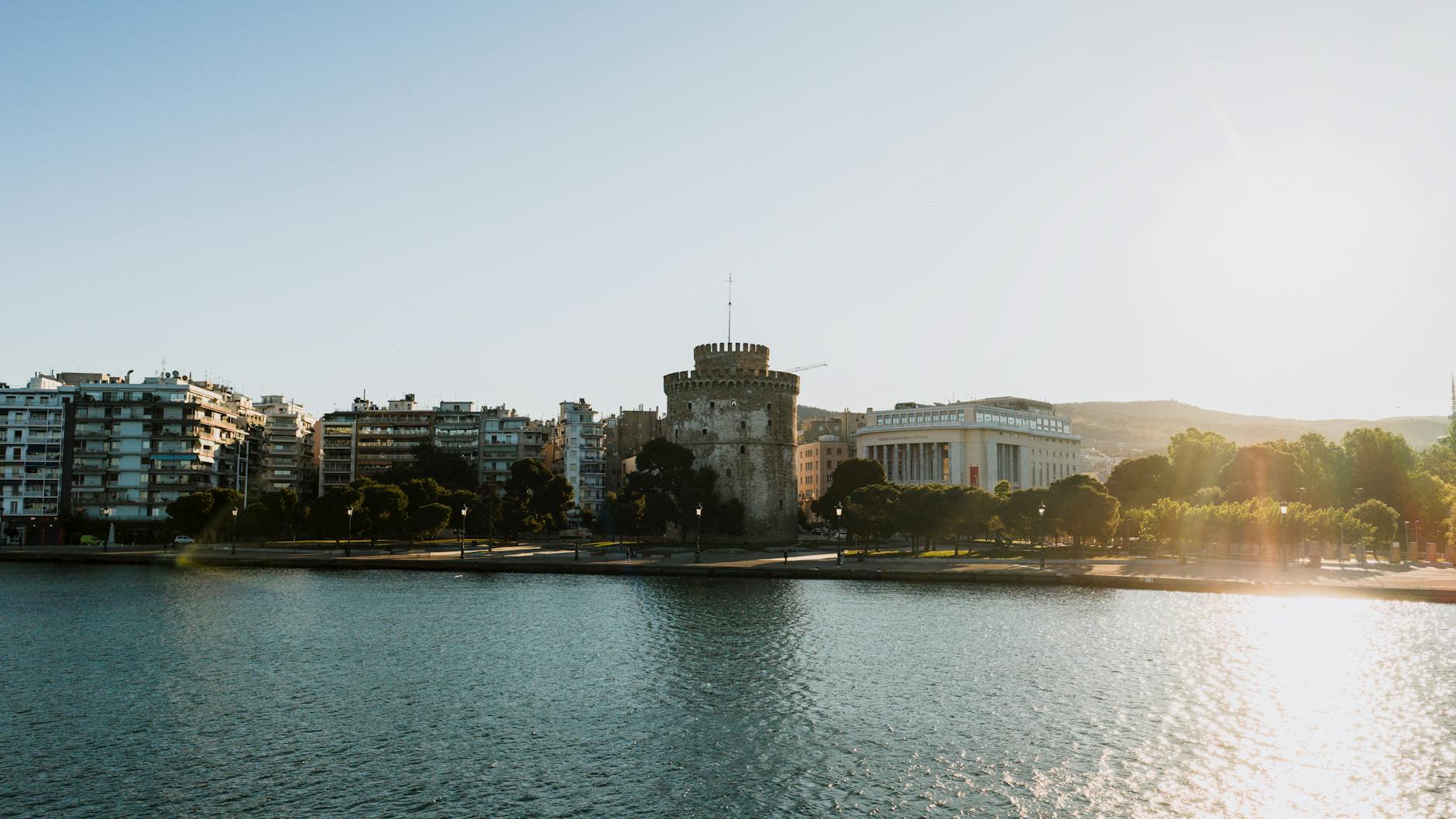
The waterfront promenade looks appealing and has some decent spots, but the restaurants a few blocks inland - particularly around Navarinou Square and the streets behind it - tend to be less polished in atmosphere and more consistent in the kitchen. The view from the seafront costs something, and it’s usually subtracted from the food.
Arrive hungry after 9pm. Order the tsipouro. Let the kitchen handle the rest.