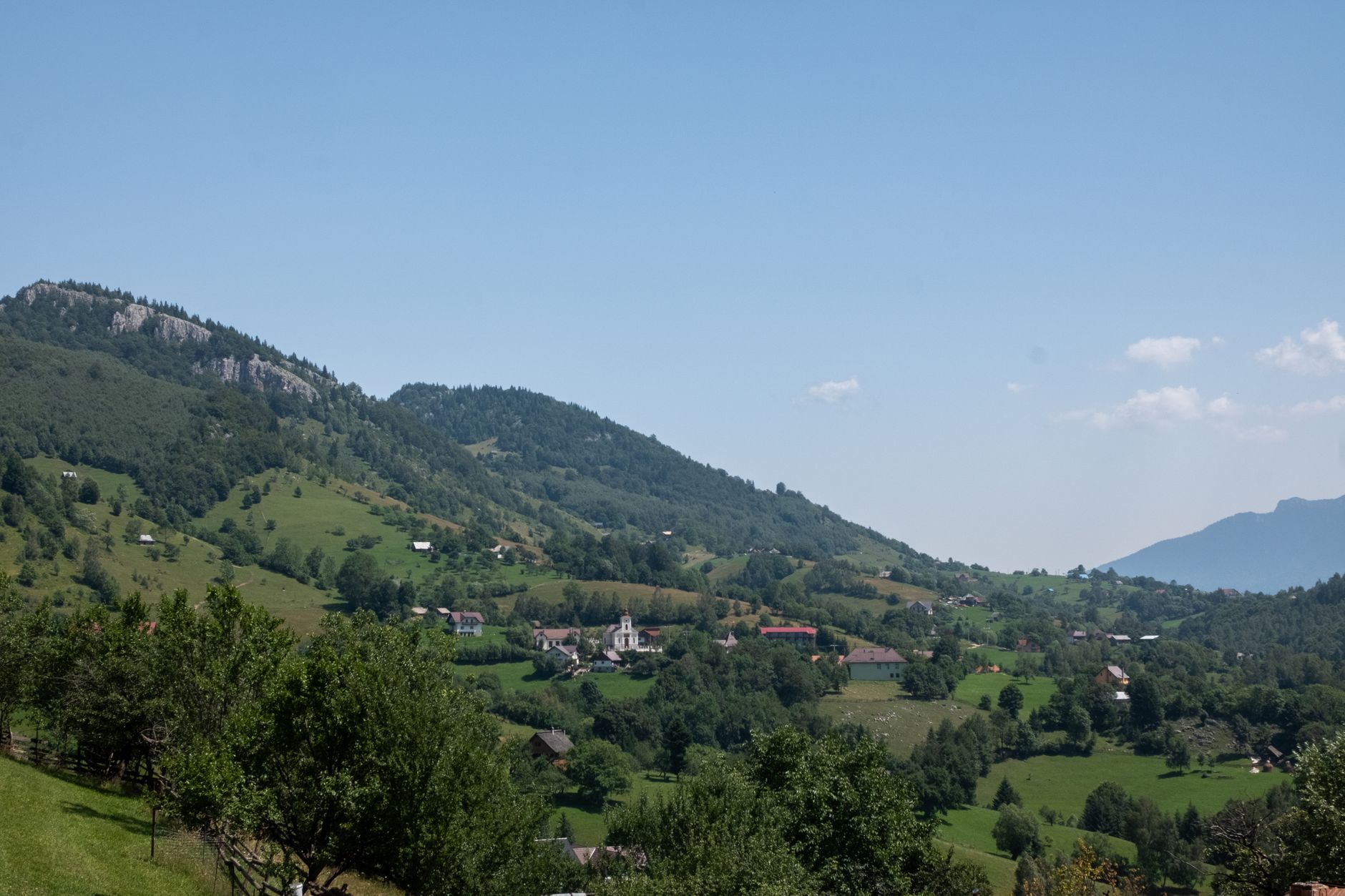
Romania’s InterRegio and regional trains are not glamorous. The seats are worn, the timetables assume you have time to spare, and the heating in October is either too much or absent entirely. A ticket from Cluj-Napoca to Sighișoara - a route that cuts through the Transylvanian plateau past Saxon villages and forested hillsides - costs somewhere between four and eight euros depending on the service. By any measure, that is an absurd amount of value.
Most travellers who come to Transylvania fly into Cluj or Bucharest and arrange a car, because the advice they’ve read tells them the trains are unreliable. That advice isn’t wrong, exactly - delays happen, and the older rolling stock on some lines has clearly had a difficult life - but it misses something. The slowness is what makes it work as a travel method. You pass through towns that exist outside any itinerary: Teius, Coșlariu, Blaj. Small stations with hand-painted signs and a single platform. You get a view of the country that a rental car on the DN14 simply doesn’t offer, because driving demands attention and trains don’t.
Sighișoara itself is the draw for most people - the medieval citadel is genuinely impressive and not yet overwhelmed in the way that similar old towns in Western Europe have become. But the town is small enough that an afternoon covers it. The point of building a slow-train day is the accumulation: Cluj in the morning, a few hours in Sighișoara, then the decision of whether to push on to Brașov or turn back. The Brașov option adds another two hours by regional train and costs roughly three more euros.
What to Actually Book
The CFR Călători website - Romania’s national rail operator - sells tickets online and works adequately once you accept that the interface is not trying to be intuitive. Seat reservations on InterRegio trains are mandatory and cost almost nothing extra. For the slowest regional services, no reservation is needed; you buy on board or at the station window.
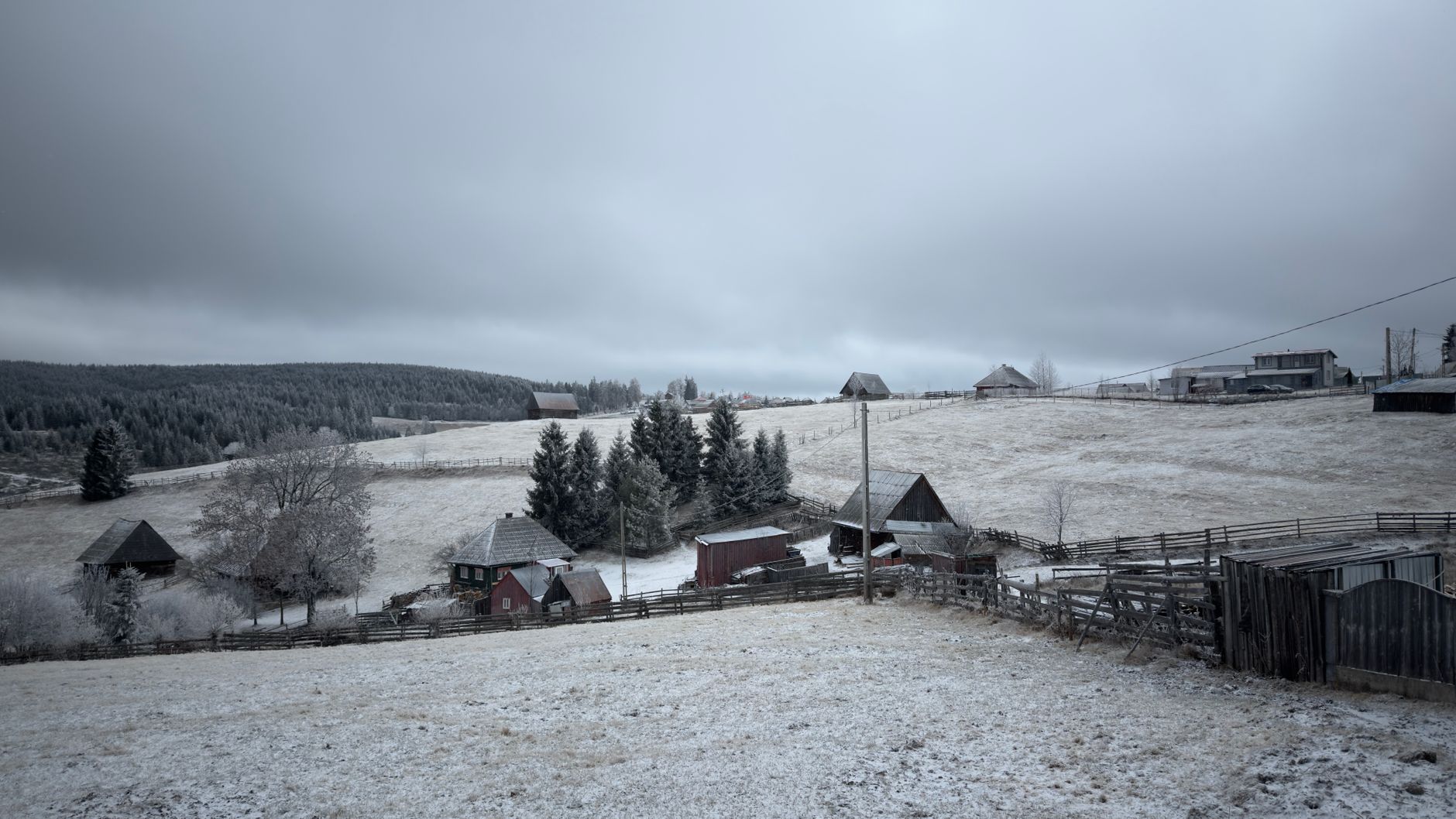
October is a reasonable time to do this. The Transylvanian light in autumn is low and golden, the tourist season has thinned, and accommodation in Sighișoara drops noticeably from its summer rates. The cold at altitude is real - pack for it - but the trade-off is uncrowded streets and guesthouses that are quietly glad to see you.
The total cost for a Cluj–Sighișoara–Brașov day, including all rail tickets and a sit-down lunch in Sighișoara’s lower town, comes in well under twenty-five euros. That’s not a boast. It’s just what things cost there.