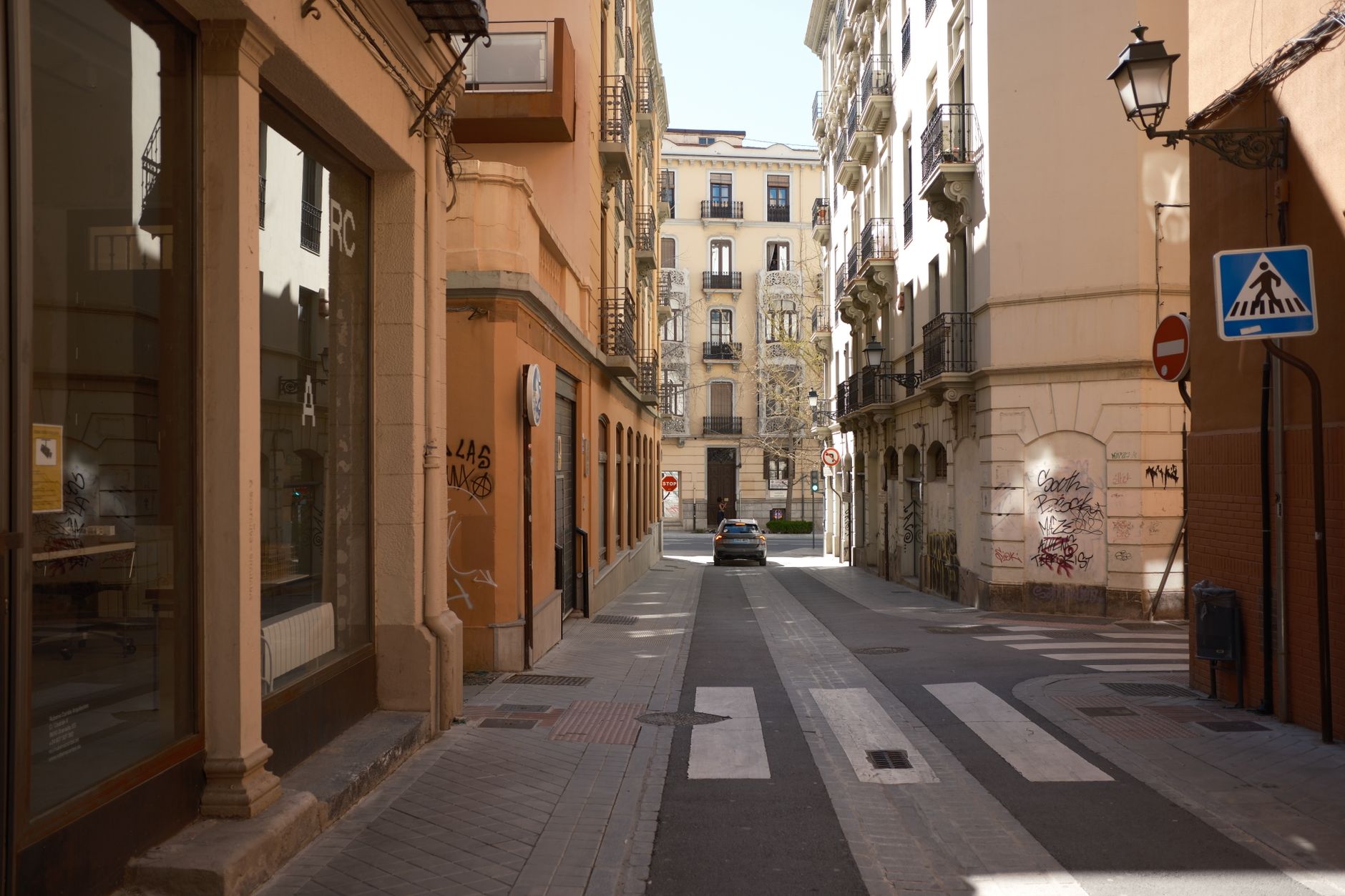
The travel industry has trained people to think in binaries: high season or low season, busy or cold, expensive or miserable. Late September in places like southern Spain, the Greek mainland, Sicily, and the Croatian coast sits in a gap that most pricing models haven’t fully caught up with.
The crowds thin out sharply after the first two weeks of September, when European school terms restart. Hotel occupancy in cities like Palermo, Málaga, and Athens drops noticeably from mid-September onward. But the Mediterranean doesn’t cool down that fast - sea temperatures in late September are often warmer than they were in June, and daytime air temperatures across most of southern Europe still sit comfortably in the mid-twenties Celsius.
What this means in practice: you’re booking accommodation at rates closer to November, in conditions closer to August.
Where the savings actually show up
Flights are the most obvious line item. Routes that were commanding high prices in July and August - think London to Thessaloniki, or Amsterdam to Catania - often drop by thirty to fifty percent in the last ten days of September. This isn’t a trick or a secret; it’s just that demand collapses faster than temperature does, and airlines reprice accordingly.
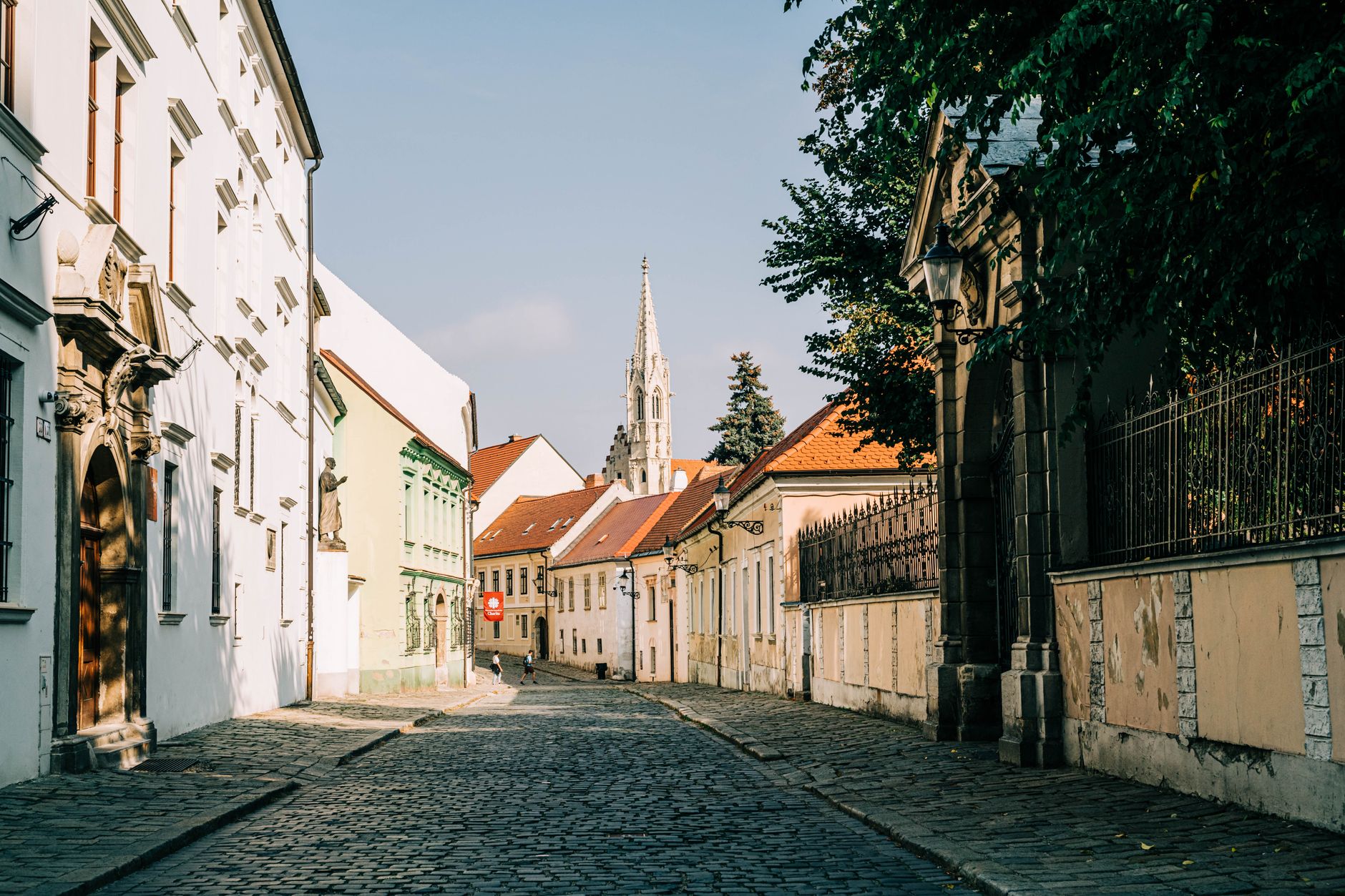
Accommodation is the second lever. Many smaller hotels and guesthouses in seasonal destinations drop their nightly rates in the third week of September not because they’re desperate, but because they’ve already covered their summer revenue targets and are running on lower overhead. In places like the Peloponnese or inland Sicily, you’ll often find rooms that were unavailable in August now bookable with same-week notice.
Restaurants also ease up. The pacing changes. You can actually sit at the bar in the fish places near the harbour without waiting, and staff have time to talk to you.
The one real trade-off
Some beach facilities - sunbeds, water sports rentals, boat tours - start closing down or operating reduced hours from mid-September. If a beach club experience is the point of your trip, late September is genuinely worse. But if you just want to swim in warm water, eat well, and pay significantly less for a room with a view, the timing works strongly in your favour.
The shoulder season sweet spot isn’t a myth. It’s just that most people hear “September” and assume summer is over. In southern Europe, it isn’t - not yet.