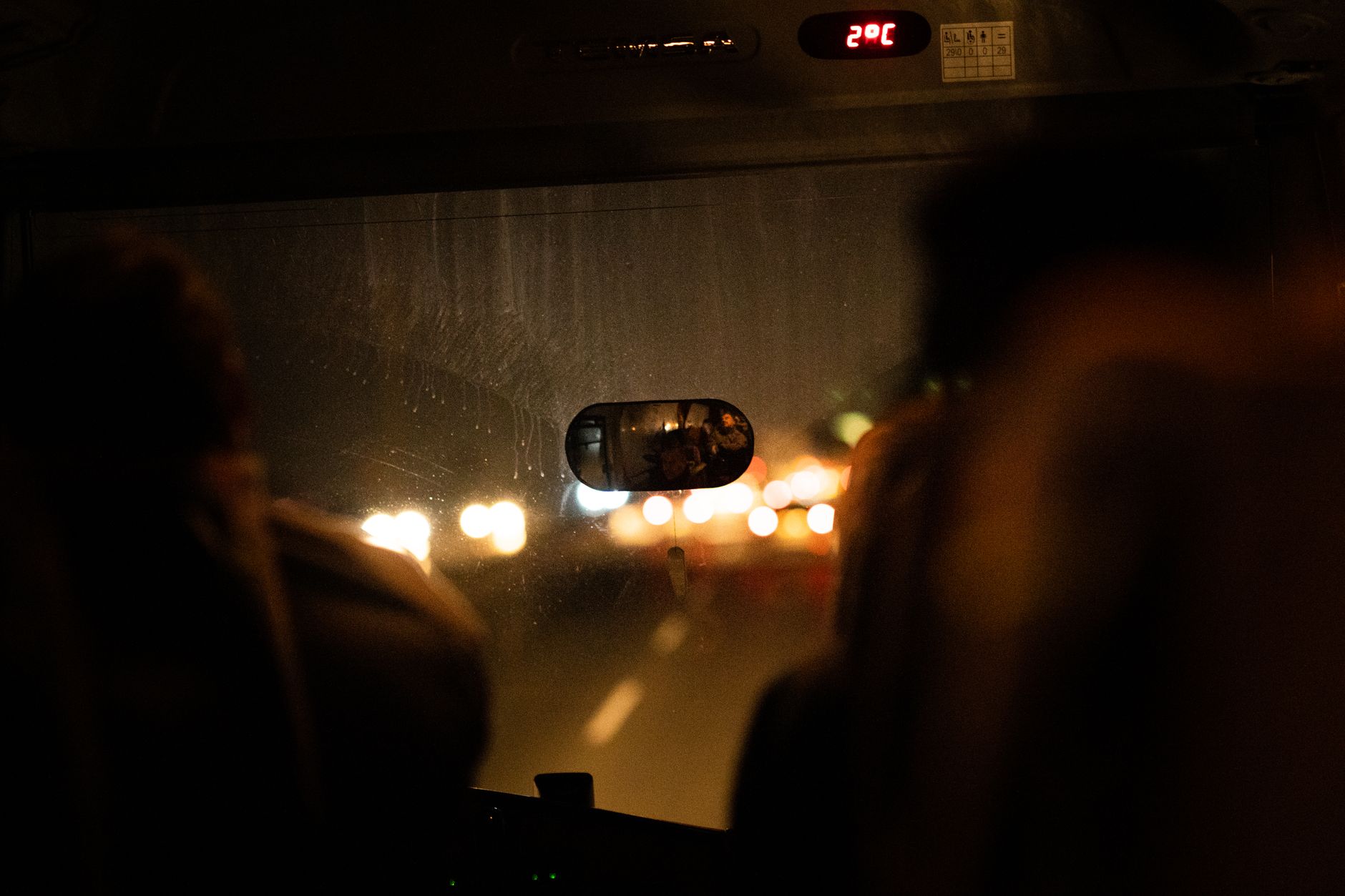
Overnight buses have a reputation problem. They’re associated with sore necks, border crossings at 3am, and the particular despair of a gas station toilet in the dark. But that reputation mostly comes from people who’ve never done the maths.
A bed for the night in a mid-range city - Sarajevo, Chiang Mai, Kotor, anywhere that gets tourists - costs between €25 and €60 depending on the season. An overnight bus covering the same distance you’d need to travel anyway costs a fraction of that, sometimes under €15. You pay once. You arrive somewhere new. You haven’t lost a day to transit. This is not a minor savings hack - it’s a structural shift in how your budget gets spent.
The Maths Only Works If You Sleep
This is where most people go wrong. They book the overnight bus, spend eight hours hunched over a phone, arrive wrecked, and then spend €80 on a nicer hotel to recover. The trade-off collapses.
What actually makes overnight buses viable: a neck pillow that genuinely supports your head (not the inflatable horseshoe, but a wrap-around memory foam one), earplugs rather than noise-cancelling headphones, and not eating a large meal beforehand. None of this is complicated, but skipping any one of it is the difference between arriving functional and arriving as a cautionary tale.

The routes worth knowing: the Balkans are genuinely well-served - Sarajevo to Dubrovnik, Belgrade to Skopje, Tirana to Kotor all run overnight with reasonable frequency. In Southeast Asia, the sleeper bus between Hanoi and Da Nang or Hoi An is popular for a reason; some coaches have fully reclining pods rather than seats. Peru’s Cruz del Sur runs overnight between Lima and Cusco on double-decker coaches with lie-flat upper berths. These aren’t misery exercises. They’re infrastructure.
One Thing Nobody Mentions
Arriving at 6am when check-in isn’t until 2pm is its own problem. Factor in either a late checkout from your previous accommodation, or book the first night somewhere that offers luggage storage without hassle. A few hostels will let you store bags and use their common areas from early morning, which buys you time to eat something and feel human.
Whether the overnight bus makes sense depends heavily on the specific route - some are genuinely rough, some are better than a budget hotel. The only way to know is to check recent traveller reviews on Rome2rio or the operator’s own site, not a travel blog written two years ago. Conditions change. Operators upgrade. A route that was grim in 2023 might now run a proper sleeper coach.
The discomfort is real. So is the €40 you didn’t spend on a room.