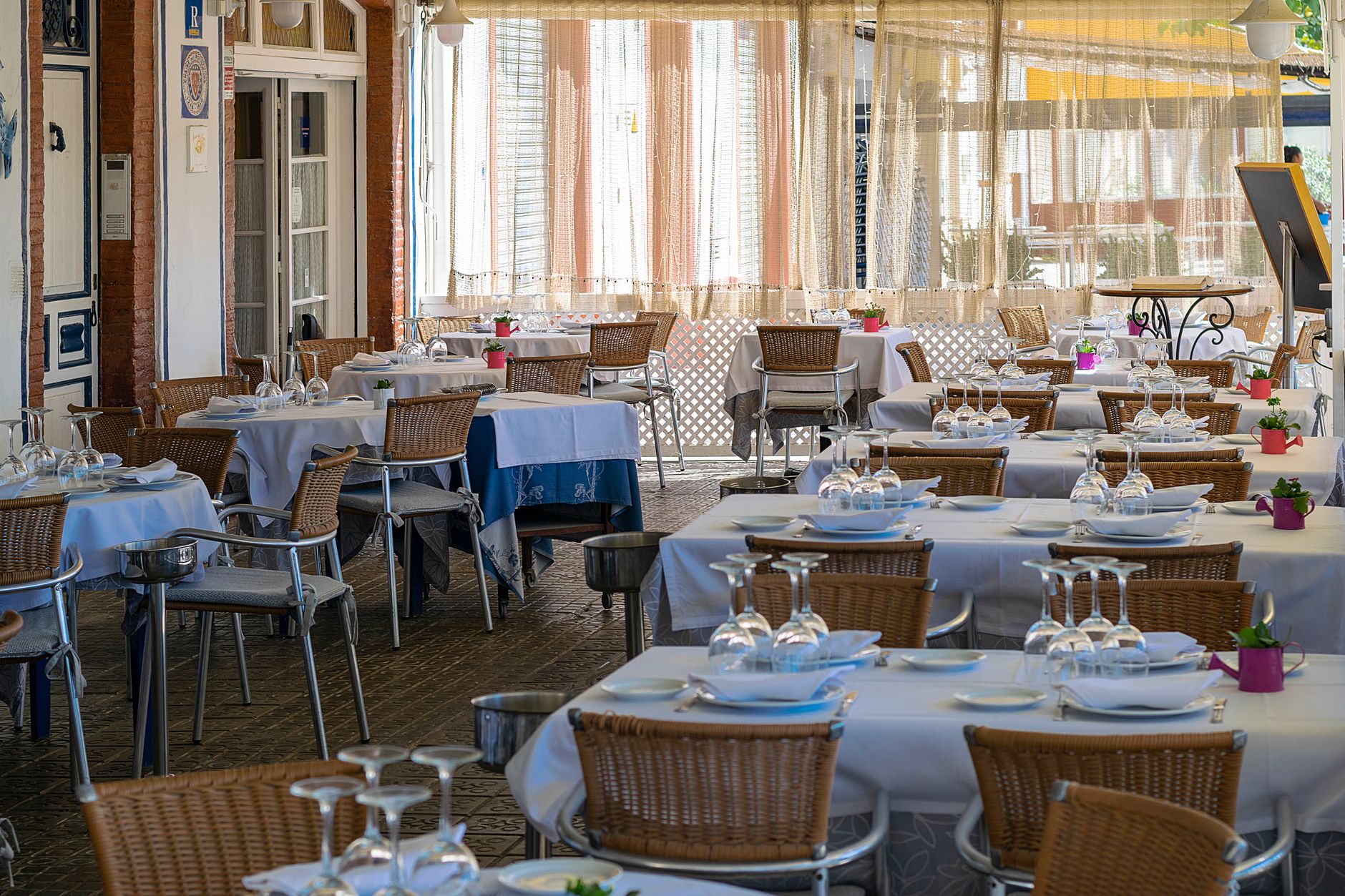
Across Spain, Portugal, France, and Italy, a quiet pricing structure runs parallel to the dinner economy most tourists participate in. It’s called the menú del día in Spain, menu do dia in Portugal, menu du jour in France - the names differ, the logic doesn’t. A set lunch, usually two or three courses with a drink included, served Monday through Friday, priced at somewhere between €10 and €15 in places where dinner for one routinely runs €30 or more.
The food is not a downgrade. These are working lunch menus designed for locals who eat a proper midday meal and don’t want to pay tourist prices to do it. In Barcelona, you can sit down to a first course of lentil stew, a main of grilled fish, bread, wine, and a coffee for around €12. The restaurant doing this will charge you €28 for the fish alone at dinner.
The trade-off is timing. Lunch is typically served from 1pm to 3:30pm, and the kitchens mean it - show up at 3:45 and you’ll be handed a dinner menu or turned away. This forces a different kind of travel day, one where you orient your sightseeing around a real meal in the middle rather than a snack-and-push-through approach. For most people, that’s actually better. You’re sitting down, you’re eating well, you have a glass of wine at noon without anyone finding it strange.
What This Does to Your Budget
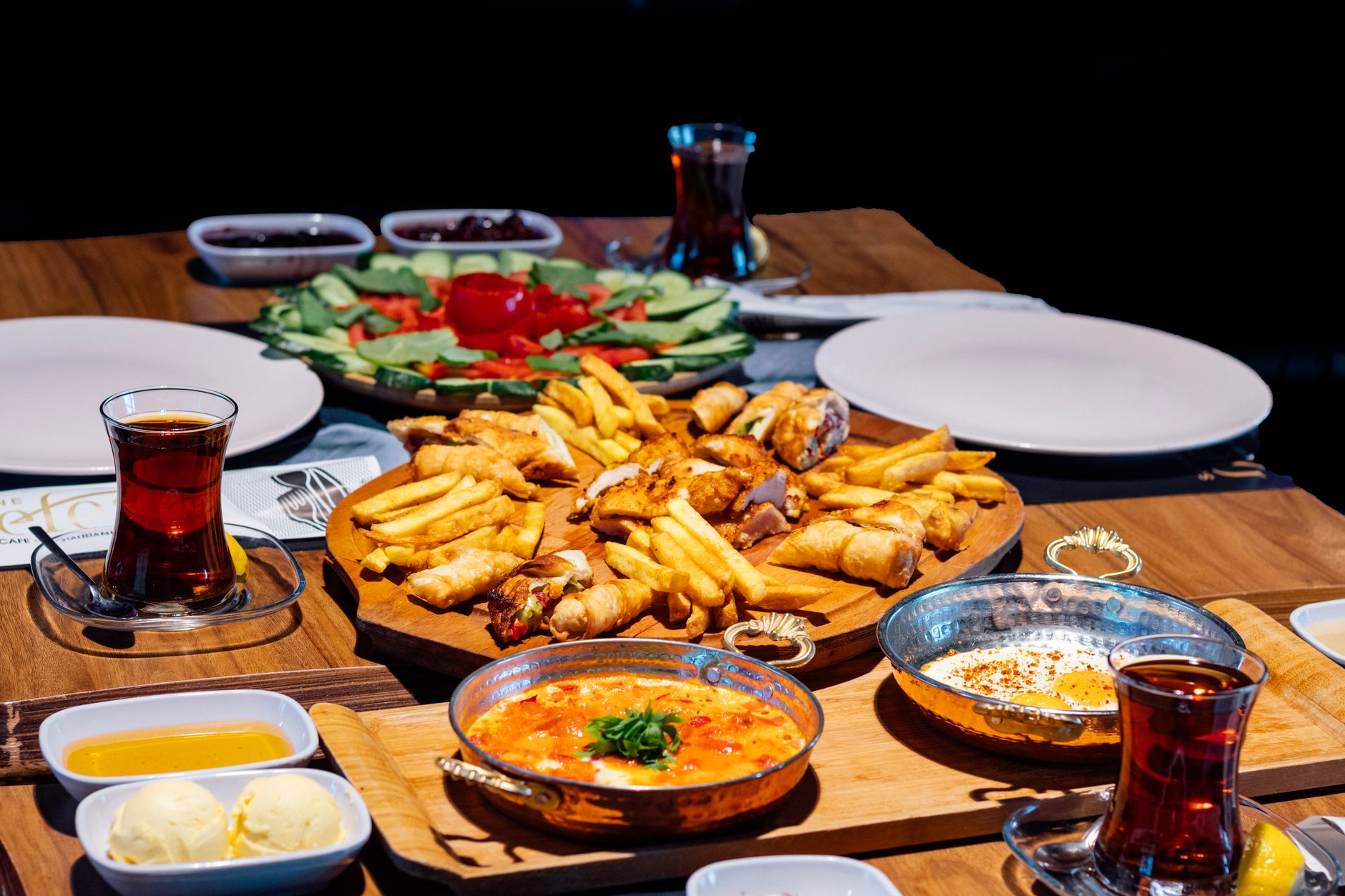
If you eat your main meal at lunch five days running instead of dinner, you save - conservatively - €15 to €20 per day. Over a ten-day trip, that’s the cost of a flight segment or two extra nights in accommodation. It compounds without requiring any sacrifice in food quality.
Dinner becomes lighter and cheaper by default: a few slices of cheese, some bread, a glass of something. Which is also how a lot of locals actually eat in the evening.
The Harder Habit to Break
The obstacle isn’t finding these menus - almost any non-tourist-facing restaurant in Spain or Portugal will have one chalked on a board outside. The obstacle is the tourist instinct to save appetite for a big evening out. That instinct is expensive and, honestly, it’s not even how the food culture in these places works.
Dinner as the centrepiece of a travel day is partly a northern European and American export. The cities that do lunch best are the ones that never agreed to that arrangement in the first place.