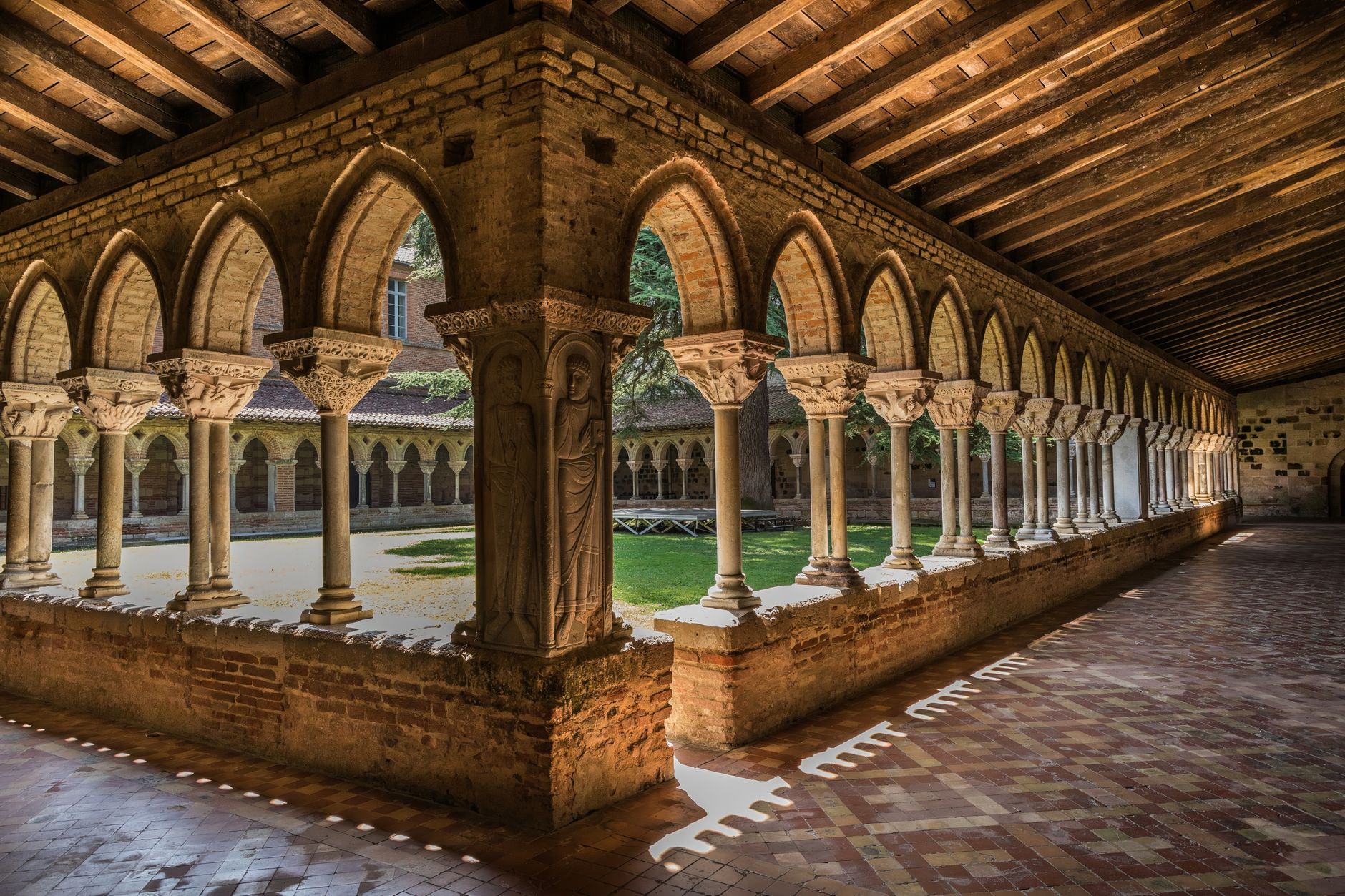
The curfew is the whole trade. Once you accept that, a convent or monastery guesthouse becomes one of the more sensible ways to sleep cheaply in an expensive city.
Many religious orders in Italy, and in parts of Spain, France and Central Europe, run guesthouses as part of their mission to host pilgrims and visitors. Rome has plenty of them, some within walking distance of the Vatican. They tend to occupy old buildings in locations a budget hotel couldn’t afford. You get a quiet courtyard or a cloister garden where a hotel would give you a lobby with a vending machine.
What you give up
The front door locks at a set hour. Some houses are strict about it, others hand out keys, and the details vary enough that you should read the booking terms before paying. If your idea of a good evening in Rome starts after dinner at 10pm, a curfew of 10:30 or 11:00 will cramp it.
The rooms are plain. Expect a single bed or twin beds, a crucifix on the wall, a desk, and often a private bathroom, though not always. There’s no minibar and no lobby bar. Some places have a quiet-hours rule that applies to you as much as to the nuns.
Why it still works
A cheap bed far from the centre costs you in transit time and in evenings spent commuting. A cheap bed in the middle of the old town costs you only the evening hours you’d probably have spent tired anyway. For a trip built around early starts and long days on foot, that’s a fair deal. It’s a poor one for anyone planning to see a city after dark.
Breakfast
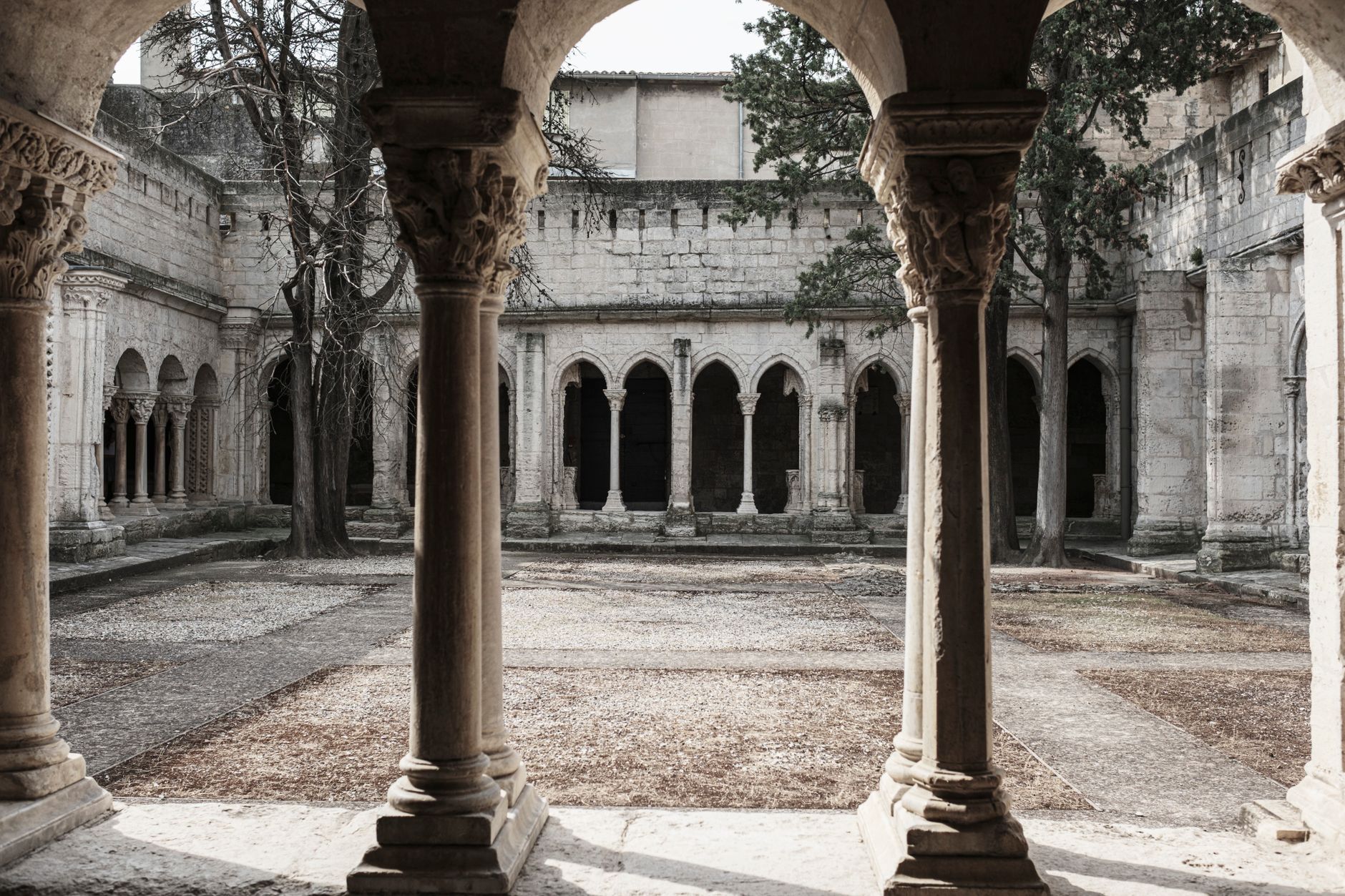
It’s usually included, usually simple, and usually eaten in a dining room with a lot of silence. Take it as a feature.
Finding them
Booking platforms list some of these houses, but plenty only take reservations by email or through their own sites. That makes them harder to find and less likely to be fully booked by the same crowd chasing the same hotel deals. Searching for terms like “casa per ferie” or “foresteria” along with a city name turns up local options that standard hotel searches miss. Whether the arrangement suits you depends on how you feel about a house rule and a locked door. I suspect it suits more people than think it does, and fewer than will admit they’re curious.