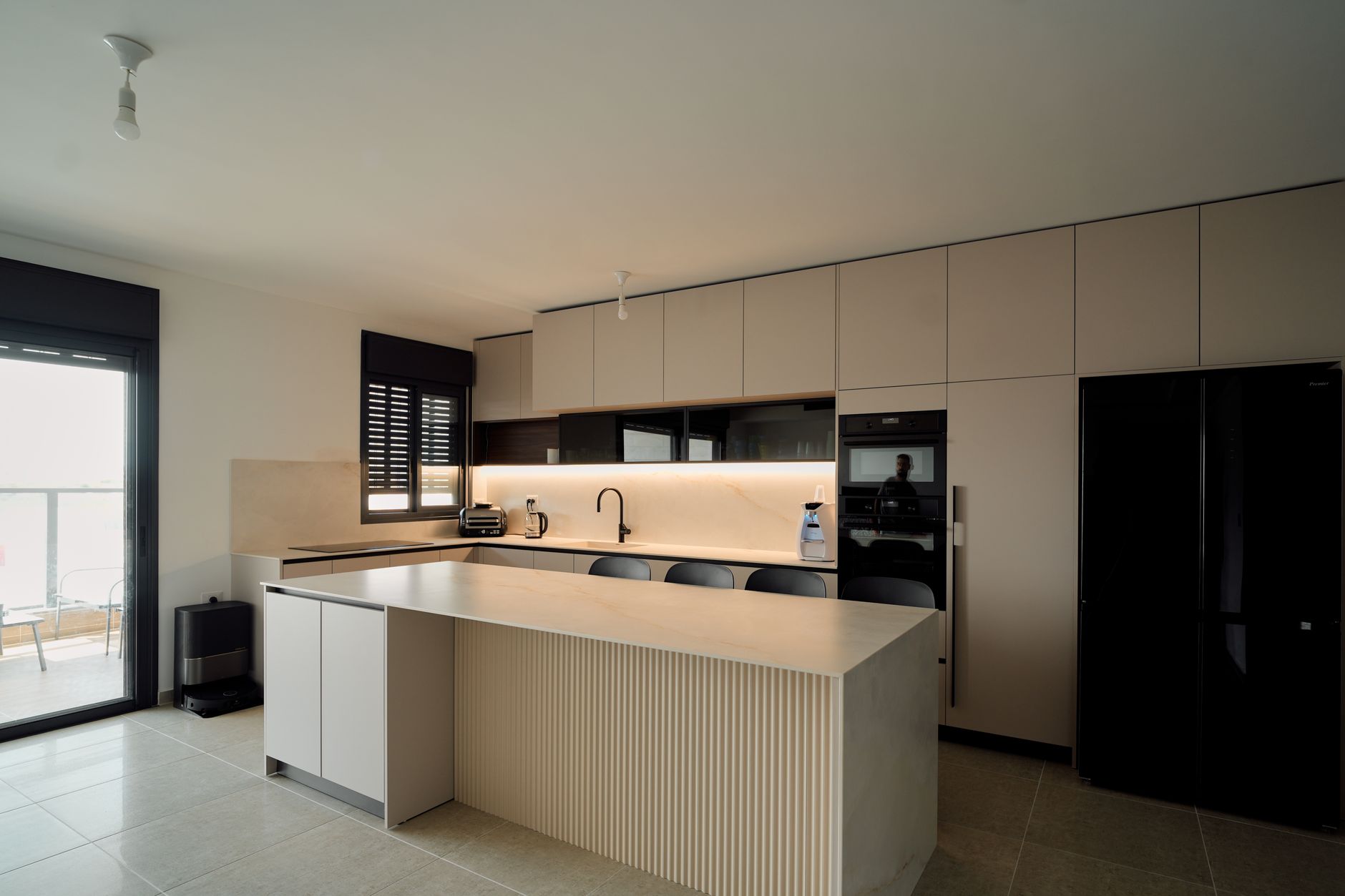
The calculation most people make when choosing between a hotel and an apartment rental focuses on the wrong thing. They compare bed quality, bathroom size, location - and mostly ignore the kitchen. That’s backwards. In most mid-range European cities, eating out three times a day costs somewhere between €40 and €70 per person. Cook one of those meals yourself, and you’ve offset a significant chunk of what you’re paying for the accommodation upgrade.
This isn’t about eating badly. A local market, thirty minutes, and a basic pan produce a better breakfast than almost any hotel buffet. Markets in cities like Palermo, Ljubljana, or Porto sell produce that’s genuinely cheap - not cheap-for-tourists cheap, but priced for people who live there. Tomatoes, bread, cheese, whatever’s in season. You spend €6 and eat well. The hotel down the road charges €18 for eggs and a coffee you didn’t ask for.
The Maths Nobody Does Before Booking
If a private apartment costs €30 more per night than a mid-range hotel, but cooking breakfast and one other meal saves you €35 a day, the apartment is already paying for itself - before you account for having a fridge to store leftovers, wine you bought at a supermarket for a third of restaurant price, or snacks that don’t come from a train station.
The version of this that works best isn’t self-catering every meal. It’s a specific rhythm: cook in the morning, eat out at lunch (where fixed menus and bar-side eating keep costs down), and decide on dinner based on energy and budget rather than obligation. That flexibility is something a hotel room simply can’t offer.
What You Actually Need
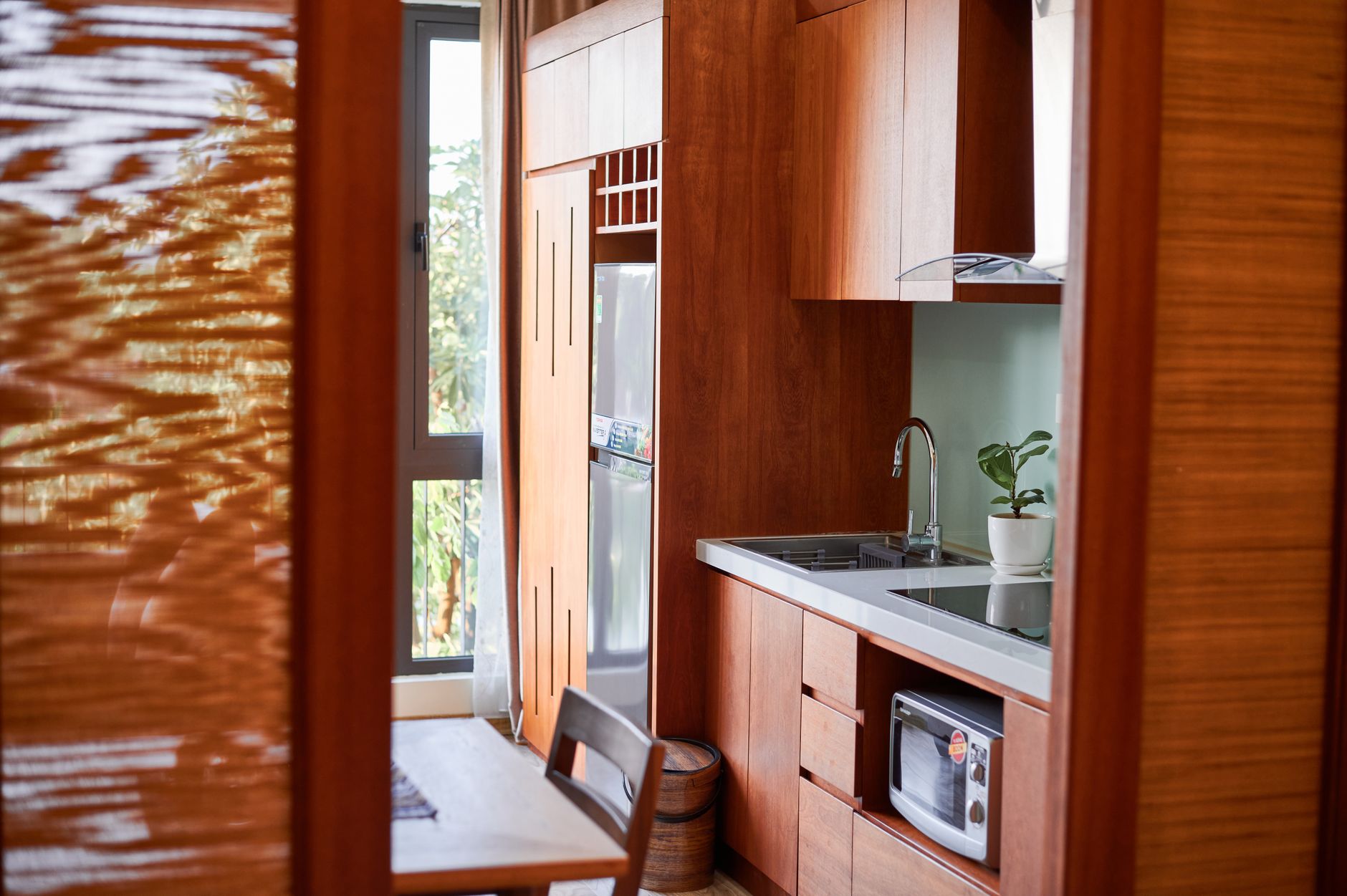
One working hob. A knife that isn’t terrible. A local supermarket within ten minutes.
That’s genuinely the full requirement. Apartment listings that advertise a “fully equipped kitchen” sometimes mean a kettle and a microwave - worth checking before you book, and worth messaging the host about directly if the photos are vague.
The Real Trade-Off
You lose daily housekeeping and the frictionlessness of hotel life. Some people find that matters more than they expected. But the travellers who complain most about running out of money halfway through a trip are almost always the ones who treated every meal as a restaurant occasion - not because they wanted to, but because they had no other option.
Having a kitchen doesn’t mean you’ll use it constantly. It means you can choose not to eat out when the choice would have cost you something you’d rather spend elsewhere.