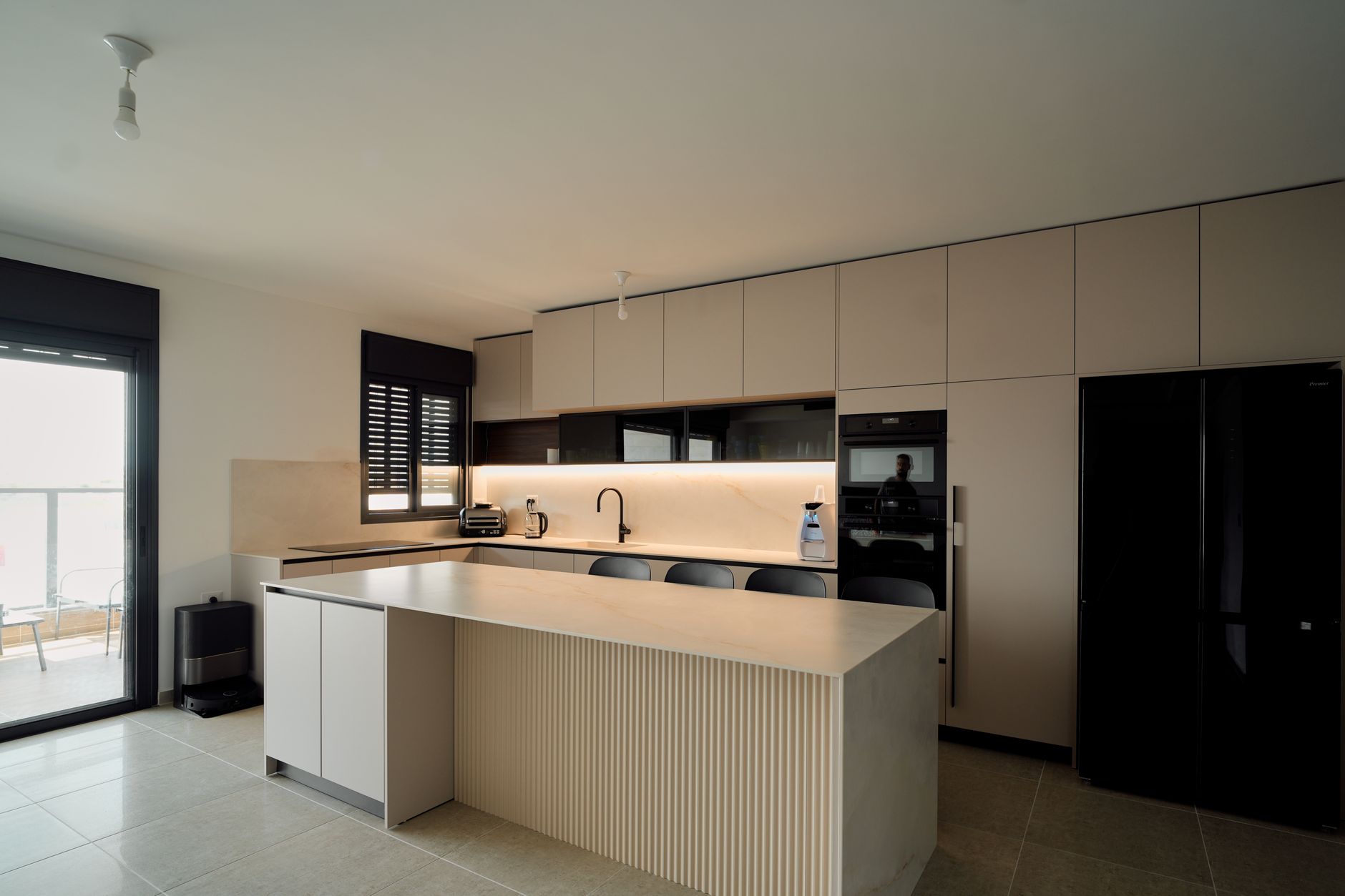
The maths on short-term rentals rarely works out the way people expect. Once you add the cleaning fee, the service charge, and the minimum-night requirement, a private apartment often costs more per night than a mid-range hotel in the same neighbourhood. And yet the kitchen argument still holds - not because the room is cheaper, but because of what happens after you check in.
Food is quietly the biggest variable in any travel budget. Accommodation is fixed the moment you book. Transport is predictable. But three meals a day, in a city where you don’t know the cheap places yet, compounds fast. A sit-down breakfast in most Western European capitals will cost somewhere between €8 and €14. Do that every morning for a week and you’ve spent close to €100 before lunch.
A kitchen doesn’t eliminate eating out - it shouldn’t, because eating out is part of why you’re travelling - but it shifts the balance. Breakfast becomes coffee made at the counter and whatever you picked up at the market yesterday. Lunch might still be local, unhurried, the good kind of expensive. But dinner, particularly on the third or fourth night when novelty has worn off and you’re tired, can be something simple at the apartment without the guilt of overspending.
What You’re Actually Buying
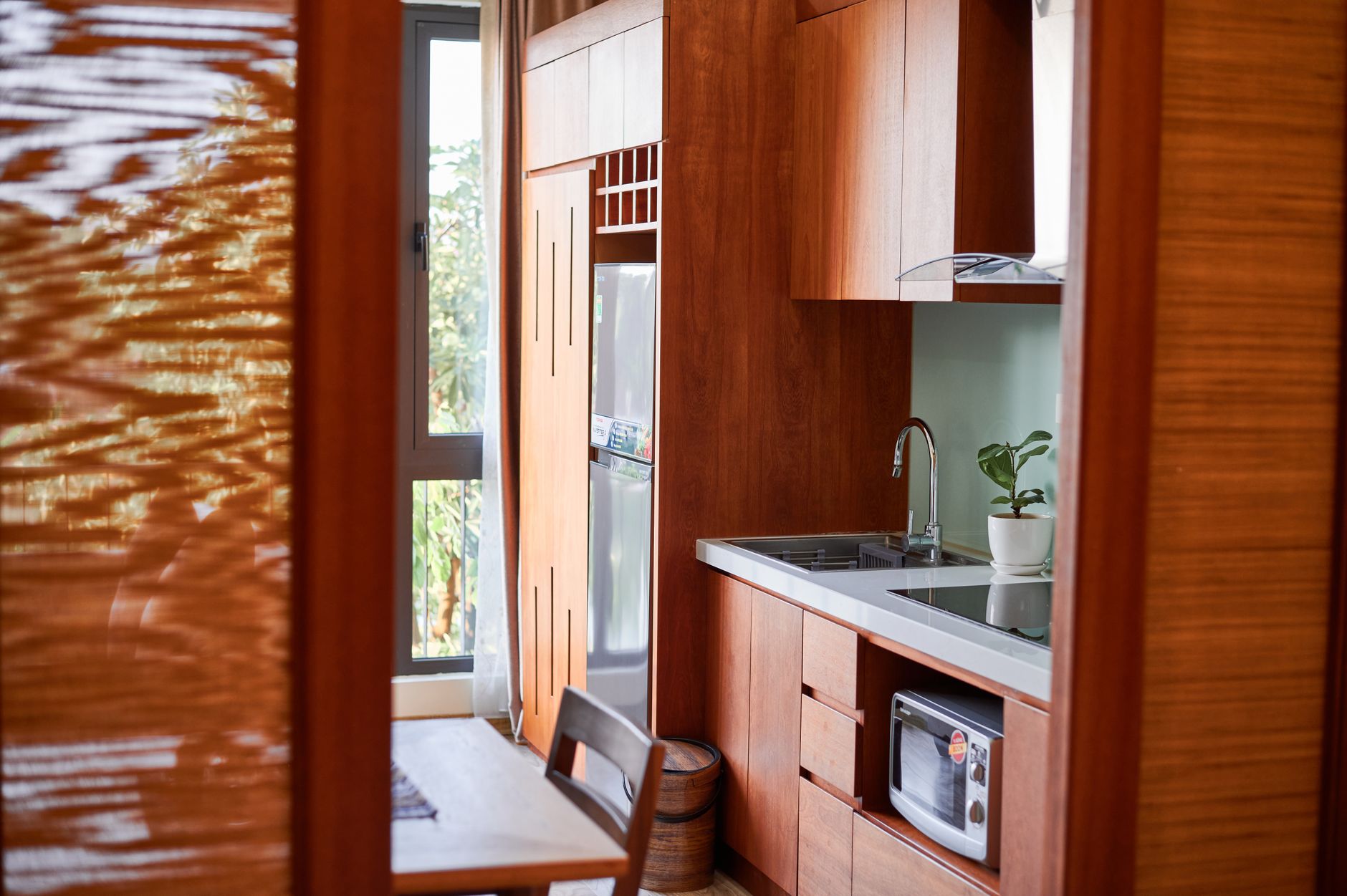
The real value isn’t frugality. It’s flexibility. When you know you have food at the flat, you stop making restaurant decisions out of hunger and desperation - which is precisely when you end up at the tourist-facing place nearest to wherever you’re standing. A kitchen gives you patience, and patience in a city usually leads somewhere better.
The supermarket visit itself is worth something. It takes about twenty minutes and shows you what people actually eat there: which cheeses are cheap and plentiful, what bread looks like, whether wine costs less than water. You learn more about a place in a local supermarket than in most museums.
The Break-Even Question
For a solo traveller on a two-night stay, the kitchen argument rarely wins on price alone. The cleaning fee absorbs whatever you save. But from four nights upward, or travelling as two people splitting the cost, the numbers start to shift - and so does the rhythm of the trip.
Whether it’s worth it probably depends less on the numbers and more on what kind of traveller you are when you’re hungry and it’s late and nothing has gone to plan.