The domed brick bathhouses in Abanotubani have been here since at least the 5th century, and the neighbourhood built up around them smells exactly like you’d expect - sulphurous, warm, faintly mineral. Locals don’t seem to notice. That unremarkability is the point.
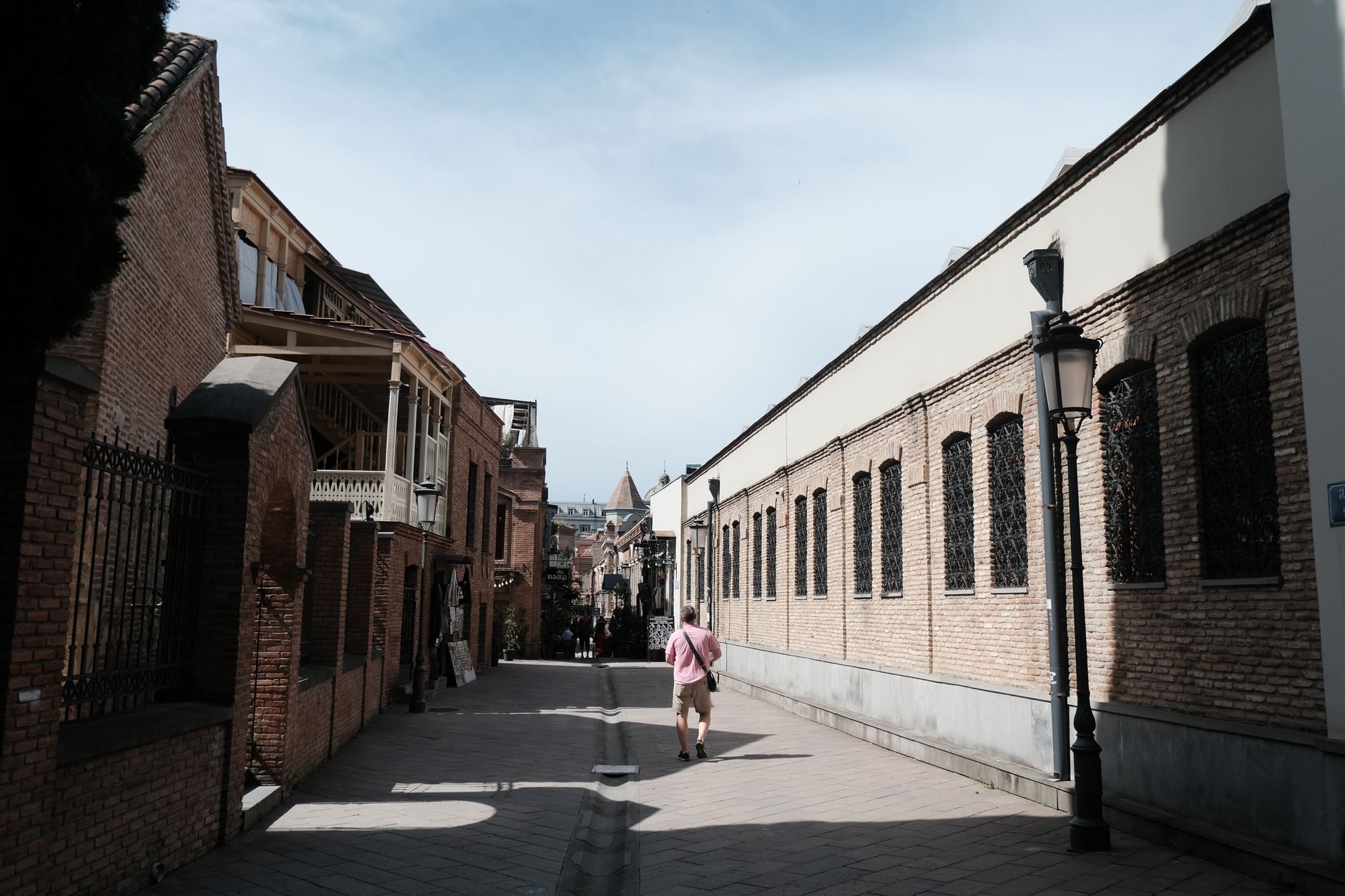
Most visitors treat the baths as an item to tick off, booking a private room for an hour and leaving. That’s a reasonable way to spend an afternoon, but it misses what Abanotubani actually is: a functioning quarter of the old city where the bathhouses sit between family homes, small wine bars, and men playing backgammon outside on low plastic chairs. The tourism infrastructure and the actual neighbourhood coexist here without much tension, which is rarer in Tbilisi’s old town than it used to be.
The Baths Themselves
The sulphur water comes up from natural springs at around 37°C. There are several bathhouses to choose from along Abano Street - Chreli-Abano and Gulo’s Thermal Spa are among the more commonly referenced, but the older, less renovated options often charge less and feel more honest about what this is. You’re not paying for aromatherapy. You’re soaking in hot mineral water in a stone room, ideally followed by a kisi scrub from an attendant who will remove a quantity of dead skin that will alarm you.
Private rooms run roughly 20–40 GEL per hour depending on the bathhouse and level of renovation - that’s somewhere between €7 and €14 at recent exchange rates, though Georgia’s lari fluctuates. The scrub and soap massage cost extra and are worth it.
Why the Timing Matters
Weekday mornings before noon are noticeably quieter. By late afternoon on weekends, the private rooms fill up and the surrounding streets take on a different energy - more groups, more noise from the wine bars. Neither is wrong, but the morning version of Abanotubani, when the steam is still rising off the domes and the fruit sellers are setting up along the river wall, is the one that sticks.
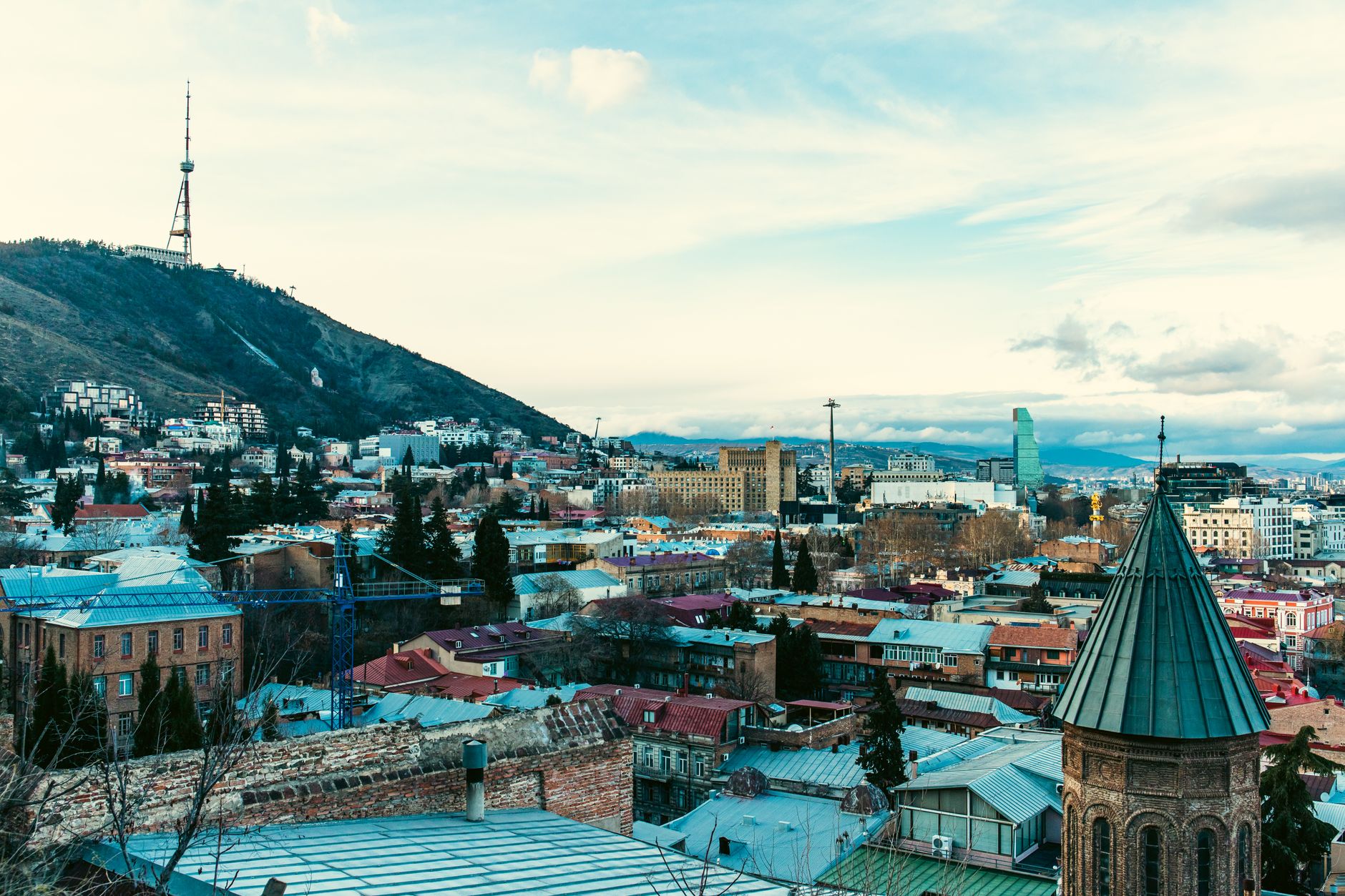
The Mtkvari River runs directly below the neighbourhood. The old Persian and Silk Road caravanserai logic of the place - thermal water, trade routes, a natural stopping point - is still legible if you walk the area slowly rather than heading straight underground.
What’s harder to explain is the specific quality of light in Abanotubani on an autumn morning, the ochre walls and the mist, and why it doesn’t feel staged the way similar old quarters in other cities do. Tbilisi gets away with a lot on atmosphere alone, and this neighbourhood is where that quality is most concentrated - or at least that’s how it reads after spending enough time there to stop treating it as a photo stop.