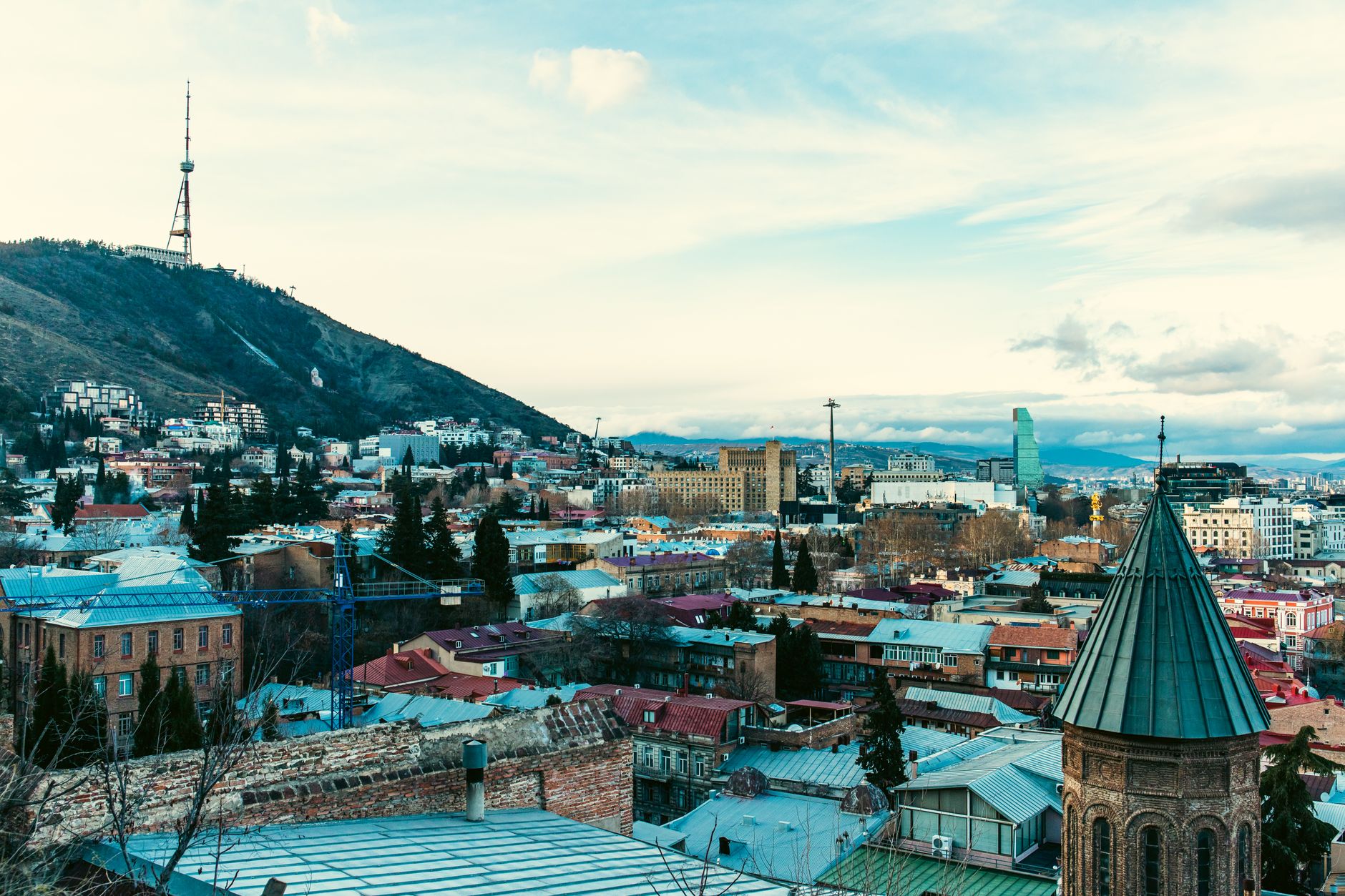
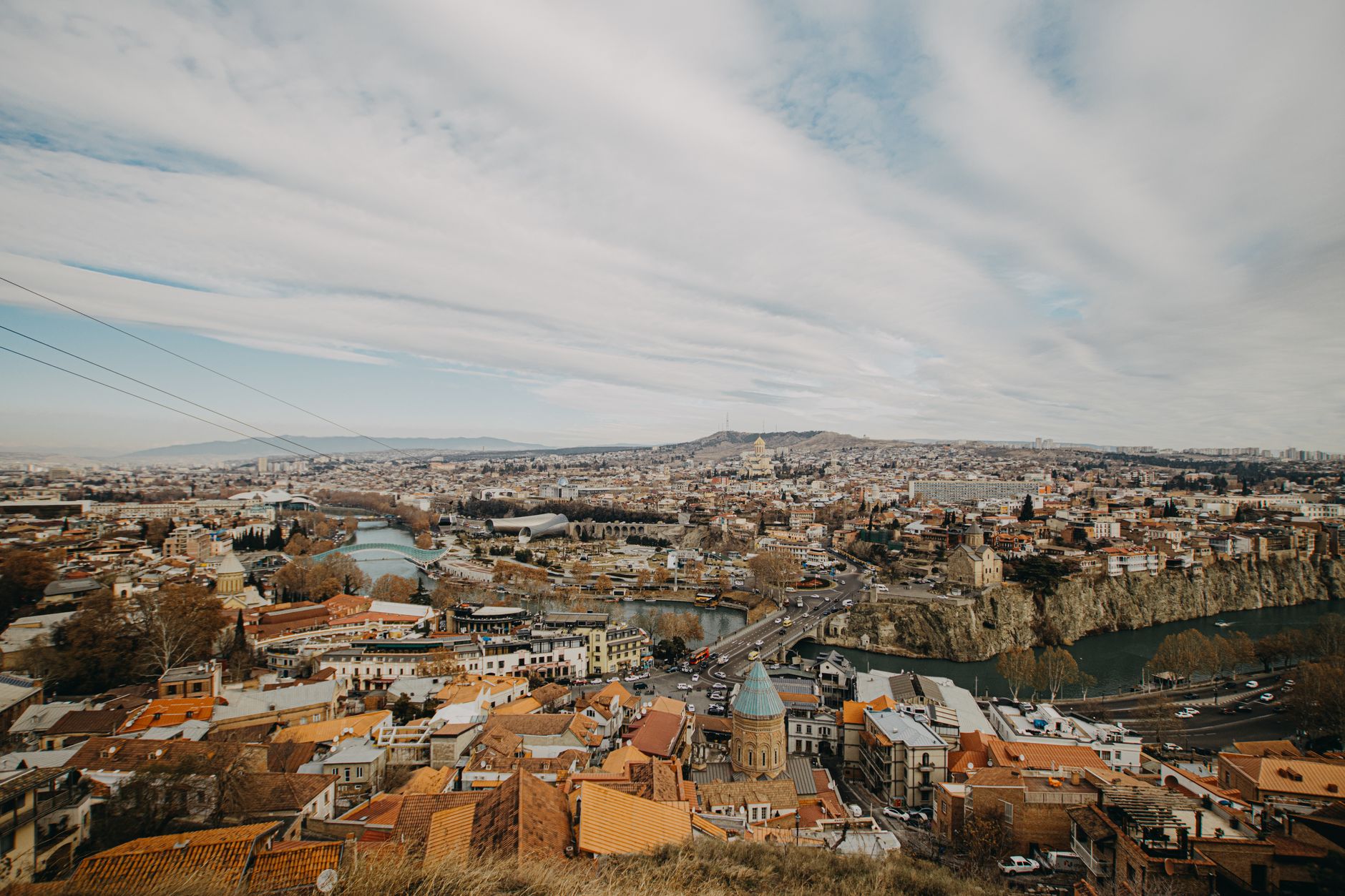
Most cable cars in tourist cities exist to sell a view. You pay, you ascend, you photograph, you descend. The cable car connecting Rike Park to Narikala Fortress in Tbilisi works differently - not because it’s more spectacular, though the view over the old town and the Mtkvari River is genuinely hard to look away from, but because Georgians actually use it to get somewhere.
The line opened in 2012 and runs from the park on the left bank up to the fortress walls overlooking Abanotubani, the sulphur bath district. It covers the elevation change in a few minutes. For anyone living or working on the Narikala side of the hill, it cuts out a long, steep walk through narrow streets. The fare is the same as a city bus - paid with a standard Tbilisi transit card.
This is the thing that visitors often miss: the transit card system. Tbilisi’s metro, buses, and minibuses (marshrutkas) all run on the same rechargeable card, which you can pick up at any metro station for a small deposit. The cable car accepts the same card. So by the time most tourists have figured out they need one, locals are already aboard and heading uphill without breaking stride.
The view is a side effect, not the point
Because the cable car functions as transit rather than attraction, it runs on a practical schedule rather than a tourist-friendly one, and it closes when wind conditions make it unsafe - which happens more than the visitor information suggests. Showing up and finding it shut is common enough that it’s worth checking before building an afternoon around it.
The cabin windows are not always clean. Nobody is narrating anything. A grandmother with shopping bags will get on at the bottom and off at the top without looking out once. This is not a complaint - it’s what makes the ride feel embedded in the city rather than applied to it.
From the top, the walk down through Narikala’s crumbling walls and into Abanotubani takes about fifteen minutes and passes through one of the oldest-feeling parts of the city. The sulphur baths at the bottom are operational, not decorative - the domed brick bathhouses have been used continuously for centuries, and you can book a private room in one for an hour at a price that hasn’t caught up with the neighbourhood’s growing reputation.
The cable car is where that descent begins. That’s worth the three-lari fare on its own.