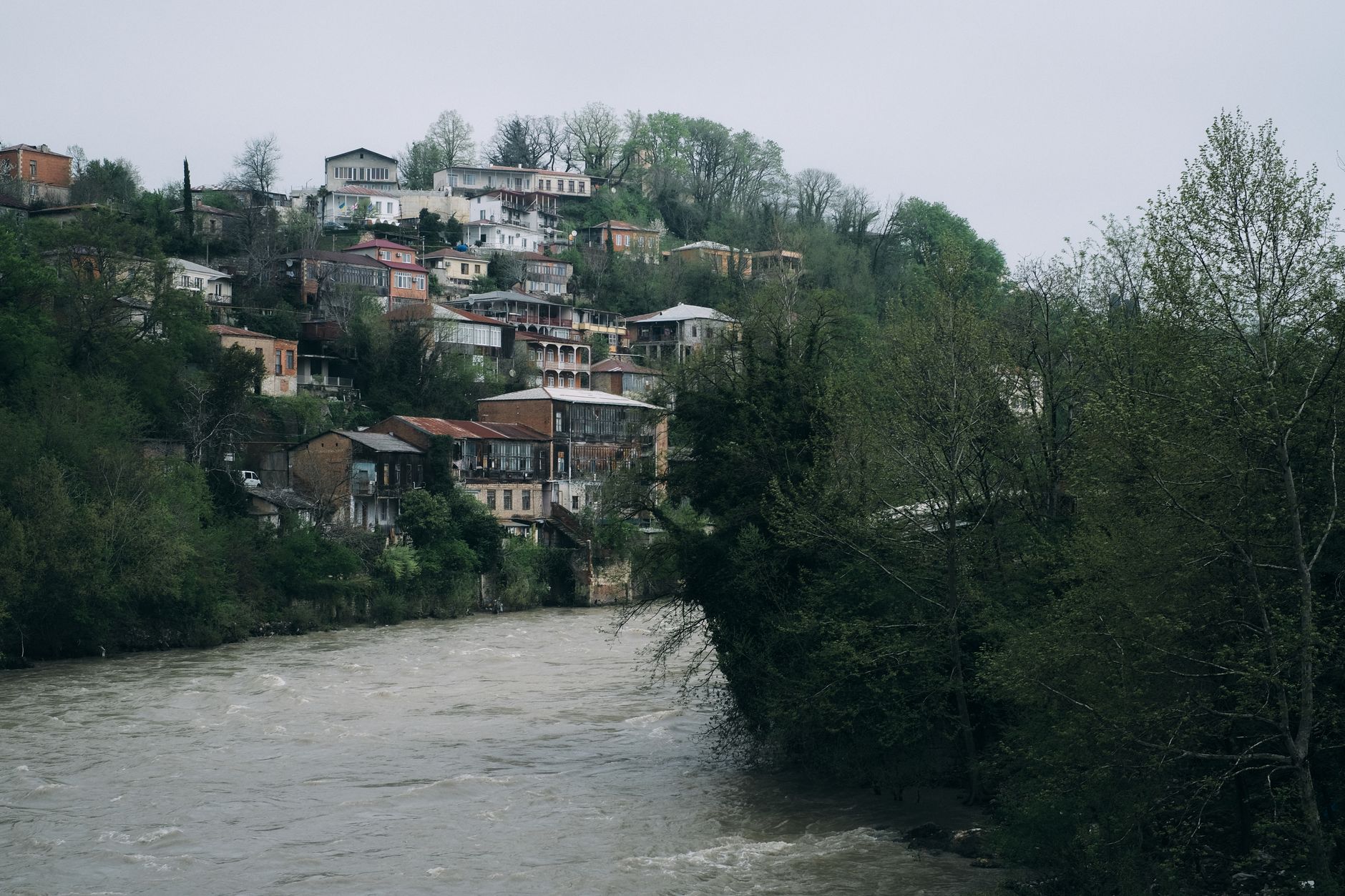
Most people flying into Kutaisi are just passing through. Wizz Air and other low-cost carriers use Kutaisi International Airport as a cheaper entry point into Georgia, and travellers take the shuttle straight to Tbilisi without spending a night. That’s understandable. It’s also a mistake.
Kutaisi is Georgia’s second-largest city, and it carries the particular energy of a place that knows it isn’t the capital but has stopped apologising for it. The centre is compact and walkable in a way that feels earned rather than designed - old Soviet apartment blocks sitting beside restored merchant houses, a covered market that smells of tkemali and dried herbs, and the Rioni River cutting through with enough force that you hear it before you see it.
Gelati Monastery Is the Reason to Come
About eight kilometres from the city centre, Gelati Monastery sits on a forested hill above a valley that feels implausibly quiet for somewhere so historically significant. Founded in 1106 by King David the Builder, it was the intellectual and religious centre of medieval Georgia. The 12th-century mosaics inside the main cathedral - particularly the apse mosaic of the Virgin - are among the best-preserved Byzantine-era works in the region. You can visit without a guide, without a timed entry, and without fighting a crowd. On a weekday morning in spring or autumn, you may have the interior almost entirely to yourself.
The road up is narrow and shared with local minibuses. A taxi from the centre costs very little and the driver will usually wait.
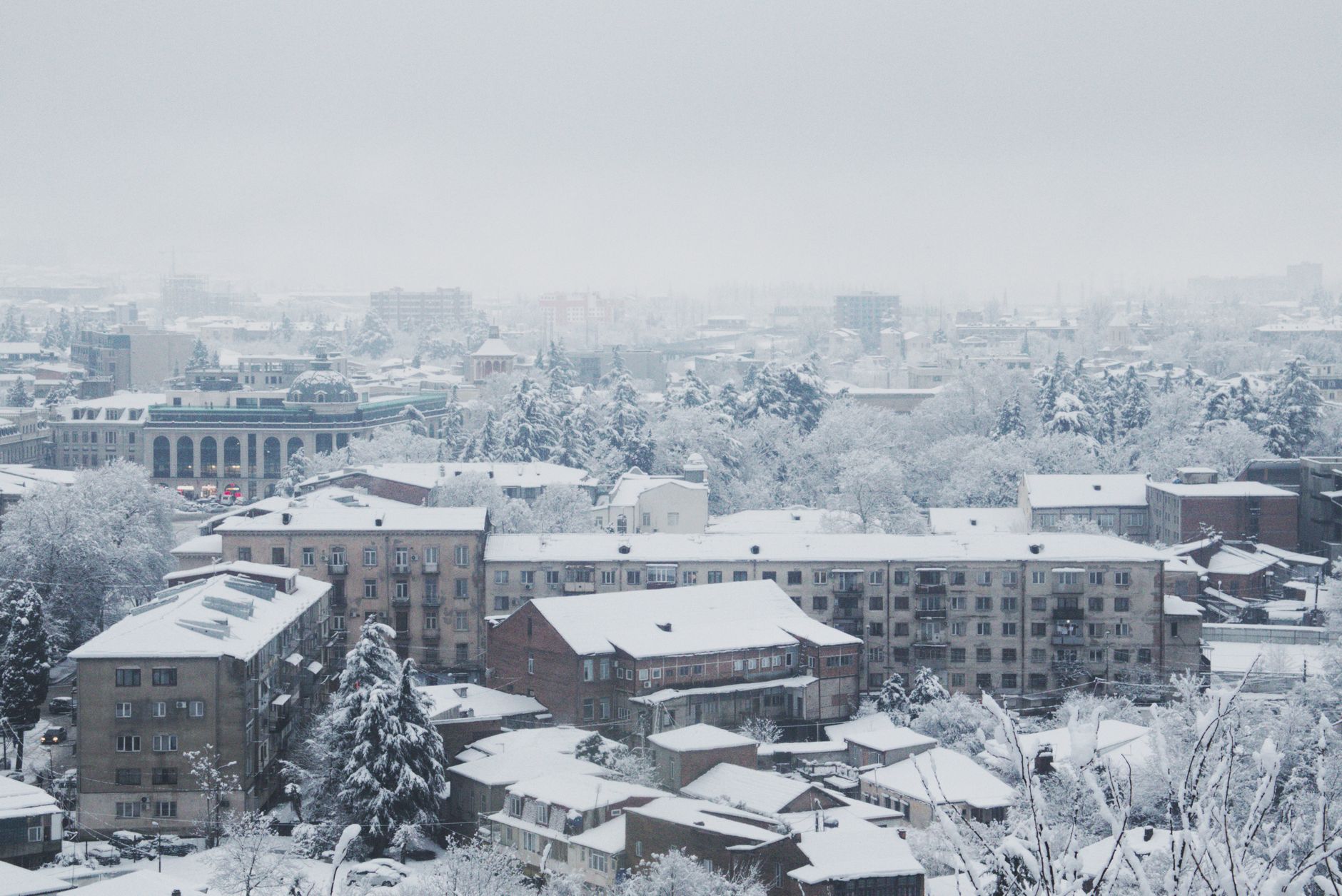
The Market Is Not a Tourist Market
The Green Bazaar in central Kutaisi operates as a working food market for the city’s residents, not as a curated experience for visitors. Churchkhela hangs in long rows - the walnut-and-grape-juice sweet that looks like a candle - alongside fresh walnuts, jars of honey differentiated by flower type, and cuts of meat that would make a Western deli look timid. The vendors aren’t pitching to you. That’s the point.
On Timing
Kutaisi in July is hot. The surrounding Imereti region turns lush and heavy with fruit in late summer, which is pleasant, but the city itself absorbs heat from its concrete in a way that makes afternoons slow. Late September and October are sharper and more comfortable for walking. The Colchic Rainforest and Prometheus Cave - both within an hour - are worth combining into a separate day if you’re staying two nights or more.
Two nights is about right. Not because the city runs out of things to offer, but because two nights is enough to stop treating it as a layover.