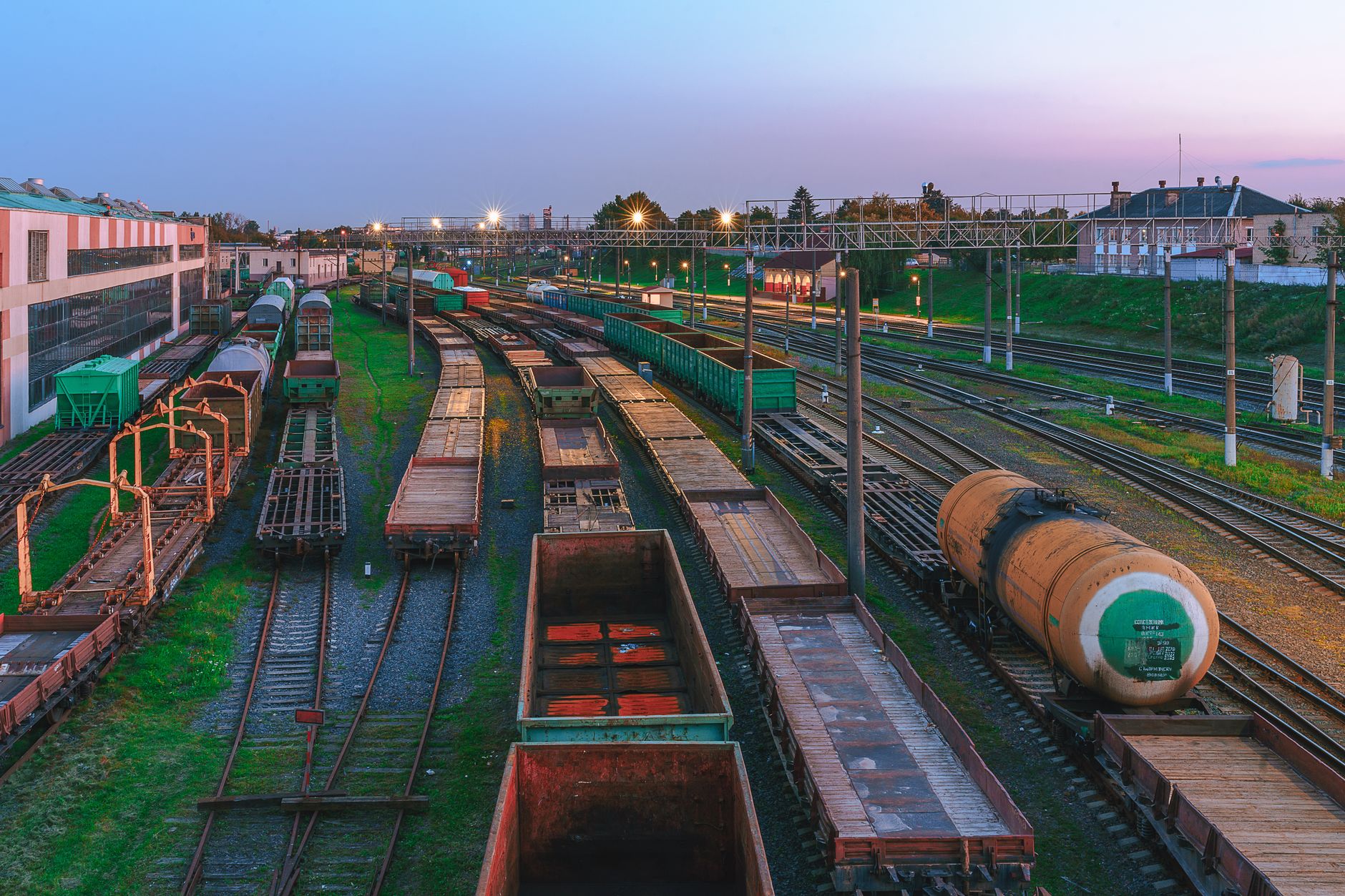
Flying Ryanair from Warsaw to Budapest sounds cheap until you add the bag fee, the bus to a secondary airport forty minutes outside the city, and two hours of security theatre. The ticket that advertised €19 ends up closer to €80, and you’ve lost an entire day to transit. A direct train on the same route, booked a few days out, often comes in under €40 - and drops you in the city centre.
Eastern Europe’s rail network is underused by Western tourists, which keeps prices low and trains uncrowded. The Warsaw–Kraków express runs multiple times a day and takes under three hours. Budapest to Belgrade is a leisurely six hours through flat farmland and costs around €20–30 depending on class. Prague to Vienna is barely four hours on a direct Railjet service, and the Austrian and Czech rail booking systems are straightforward enough that you don’t need a Eurail pass to navigate them.
The pass question matters. Eurail and Interrail passes are rarely good value in Eastern Europe specifically because point-to-point fares are already cheap. Where they pay off is Western Europe, where a single Paris–Barcelona ticket can cost more than a week of Eastern rail travel. If your trip is concentrated in Poland, Hungary, Romania, or the Balkans, skip the pass and book direct.
The Night Train Argument
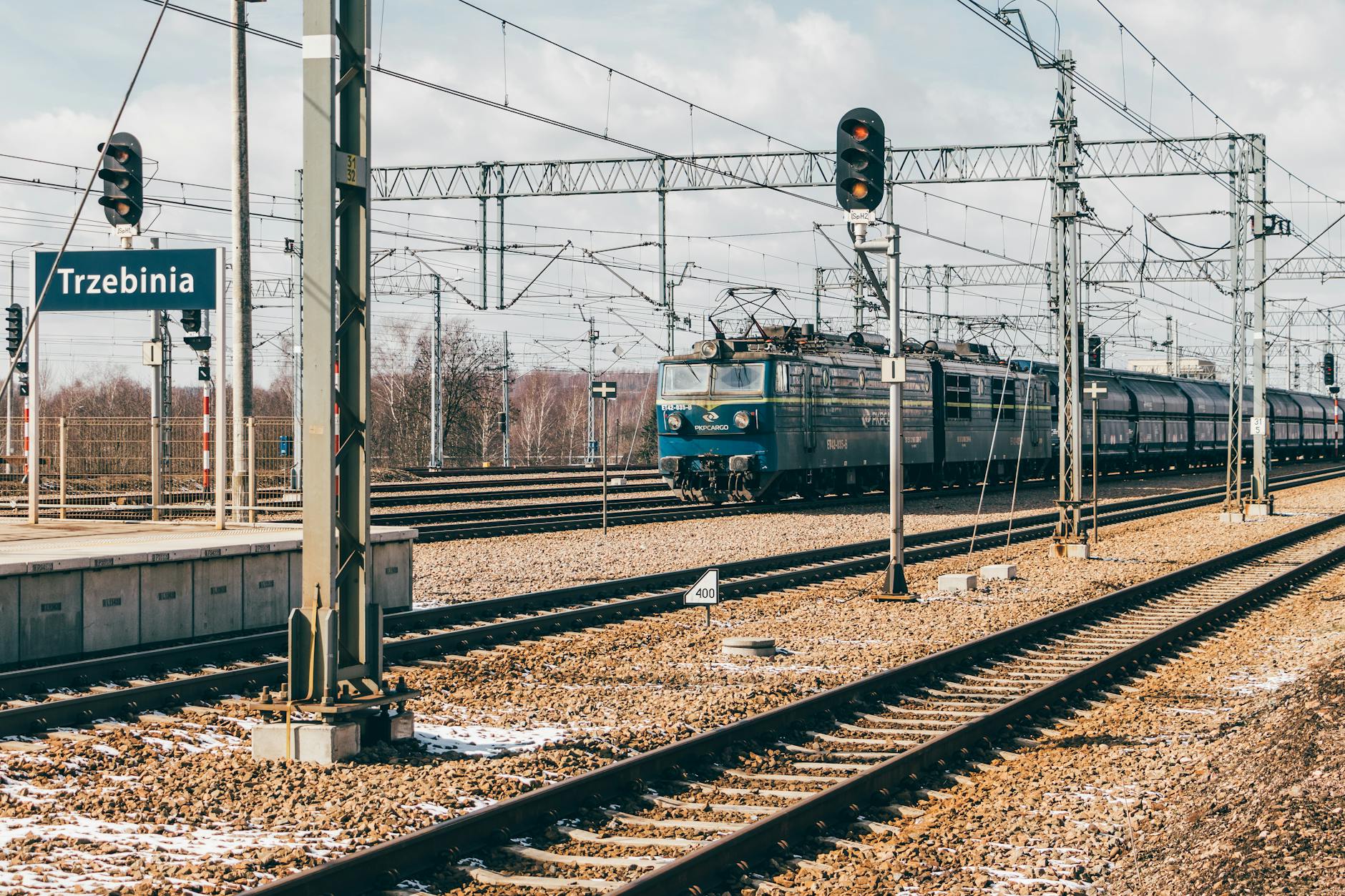
The Warsaw–Vienna night train, operated by PKP Intercity in partnership with ÖBB, runs several times a week and includes couchette options. A six-person couchette berth costs roughly €40–60 depending on availability - you travel overnight, arrive rested, and pay nothing for a night’s accommodation. That’s not a small saving. It’s effectively a free hotel room.
Night trains across the region have seen modest revival since the mid-2020s, with ÖBB in particular expanding routes. Vienna functions as the main hub: services fan out toward Warsaw, Budapest, and further Balkan connections. Booking through the ÖBB website is usually the most reliable method for international night routes.
What You Trade Away
Speed, occasionally. A flight from Bucharest to Warsaw is two hours; the train equivalent, depending on connections, is much longer and may require a change. For long-haul legs within Eastern Europe where no direct train exists, flying still wins on time. The calculation shifts when the journey itself - river valleys, border towns, gradual change in architecture - is something you’d otherwise miss at 35,000 feet.
Train travel in this part of Europe isn’t about roughing it. Second class on Czech or Austrian rail is comfortable, usually quiet, and has better Wi-Fi than most airport lounges. The misery-free part of budget travel, here, is that you’re not really trading anything meaningful down.