Naoshima is not the best art island in Japan’s Seto Inland Sea. It’s the most famous, which is a different thing, and the gap between the two is why a day trip there often feels like standing in a queue for a feeling.
The better building is on Teshima, a short ferry ride away. The Teshima Art Museum, completed in 2010 and designed by architect Ryue Nishizawa with artist Rei Naito, is a single thin concrete shell with two oval openings to the sky. There is no painting on the wall. Water seeps up from the floor and gathers into beads that roll slowly across the concrete, and you sit and watch them. It sounds precious written down. In the room, it mostly just makes people go quiet.
Why the off-year helps
The Setouchi Triennale, the festival that spreads art across a dozen or so islands, ran most recently in 2025, and the next is due in 2028. We’re in a gap year, and that’s the point. The permanent works, including Naoshima’s Chichu Art Museum with its Monet water lilies and the Teshima museum itself, stay open. The festival-season pressure on ferries and accommodation eases. I’d choose the gap year every time, though check opening days before you book, since several of these museums close on set weekdays and some need timed reservations.
Getting there
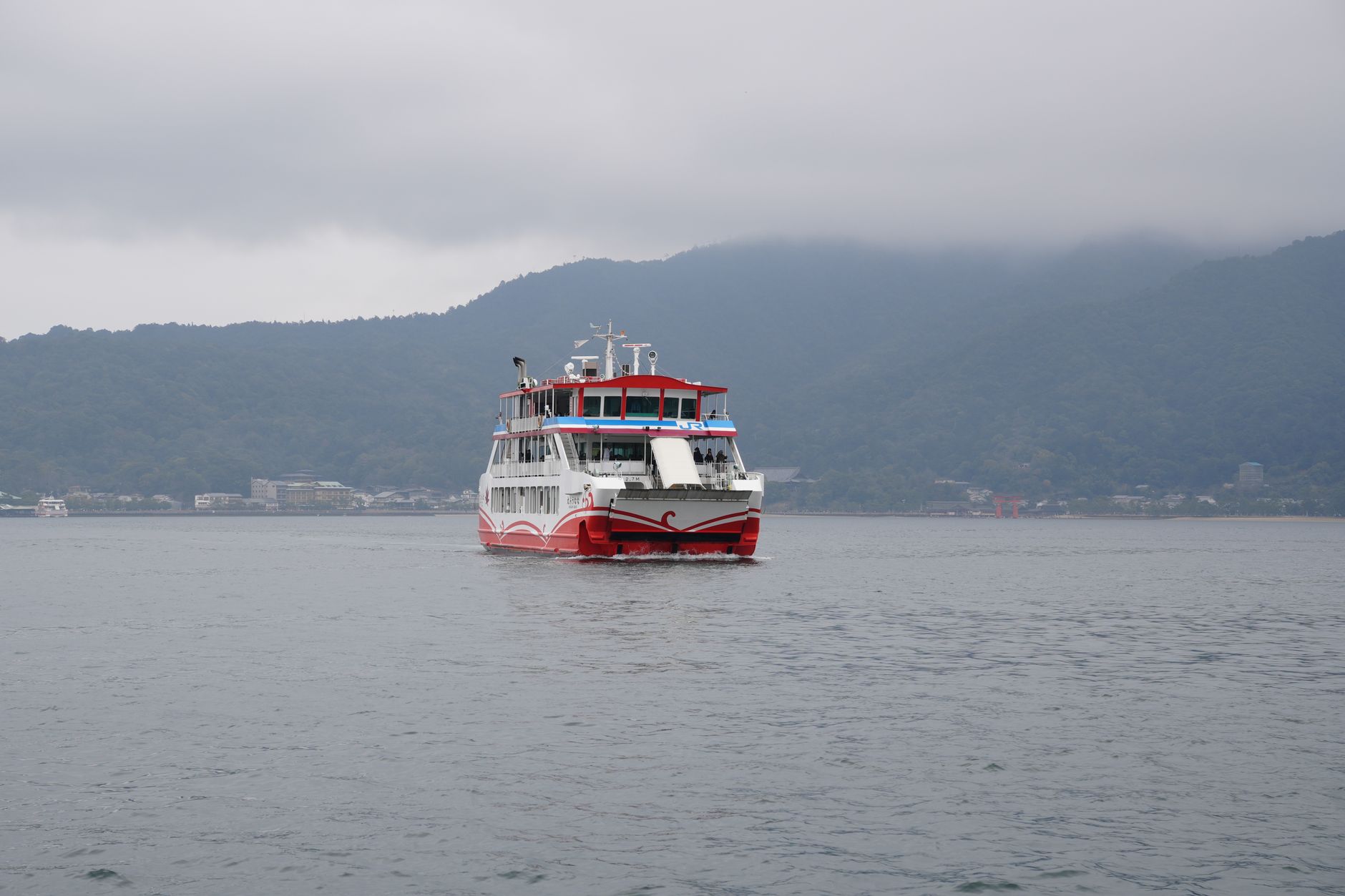
Ferries to Teshima run from Uno, on the Okayama side, and from Takamatsu on Shikoku. Teshima is hilly, and the museum sits up a slope from the port, so renting an electric-assist bicycle in the village is the sensible move rather than waiting on the local bus.
The other thing on Teshima
Christian Boltanski’s Les Archives du Coeur is a small, strange archive where you can record your own heartbeat and listen to others stored there. It’s not for everyone. Go anyway.
Stay a night if you can. Naoshima has the more developed accommodation, but doing Teshima as a rushed afternoon add-on wastes the quality of the place. The last ferries leave early enough that you’ll feel the clock, and these are not works that reward a clock.