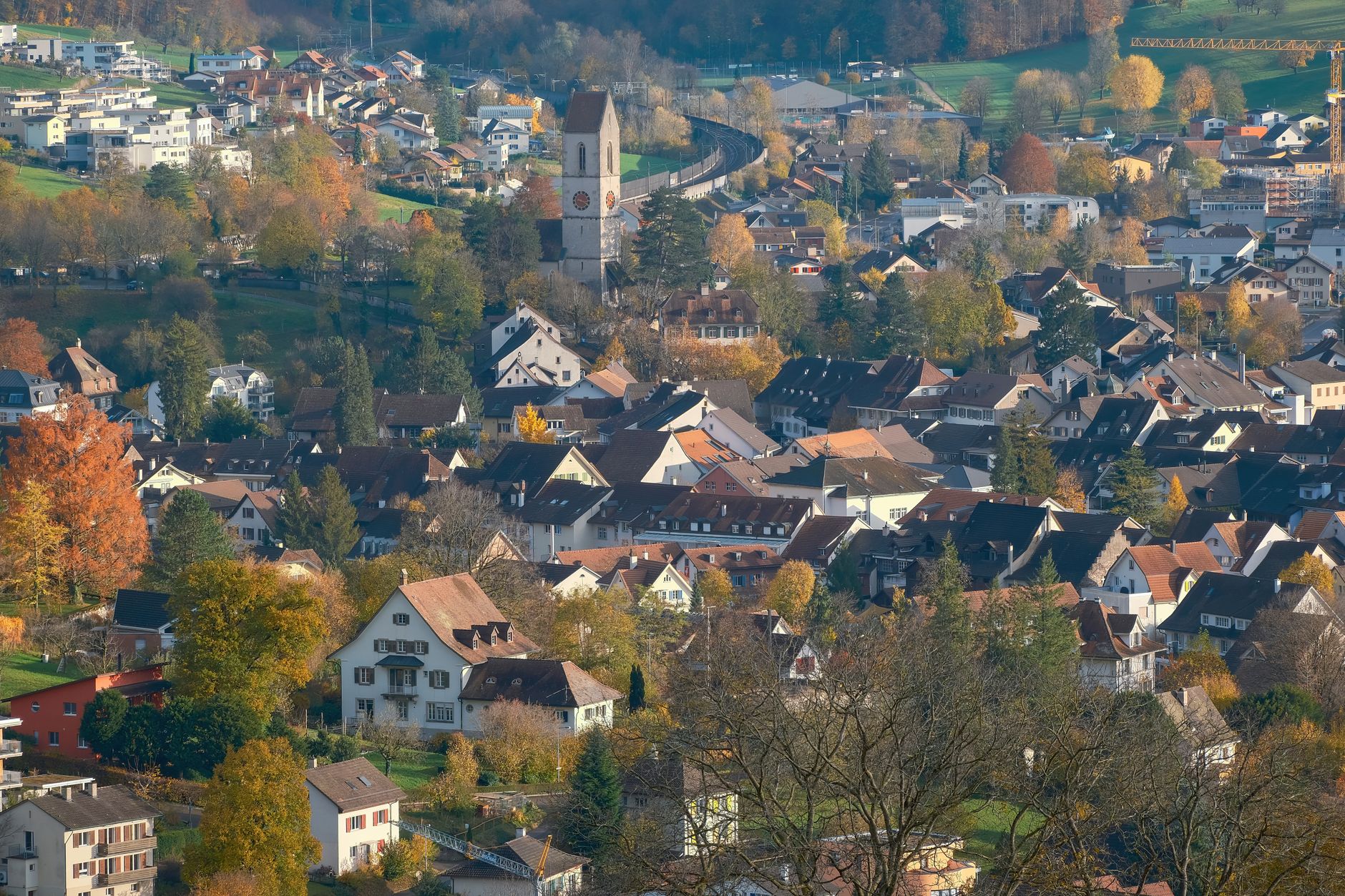
The myth that travel has a ‘right time’ is mostly a marketing decision by the airline industry and a few influential travel magazines that set their editorial calendars around school holidays. For most Mediterranean destinations, the peak weeks of July and August are not the best weeks - they’re the most expensive and, frankly, the most crowded.
Shoulder season - roughly April to early June and mid-September to October across southern Europe - tends to offer the same destination in noticeably better conditions for significantly less money. Hotel rates drop. Flights lose the summer premium. Restaurants are no longer turning tables every forty minutes.
Take the Greek islands as a concrete example. Santorini in late September still has sea temperatures warm enough to swim, daily highs in the mid-20s Celsius, and sunsets that are, if anything, more photogenic with the lower autumn light. But accommodation that costs €250 a night in August regularly sits at €120 to €140 in late September. That difference funds several days of additional travel.
The Crowds Argument Is Not Just About Comfort
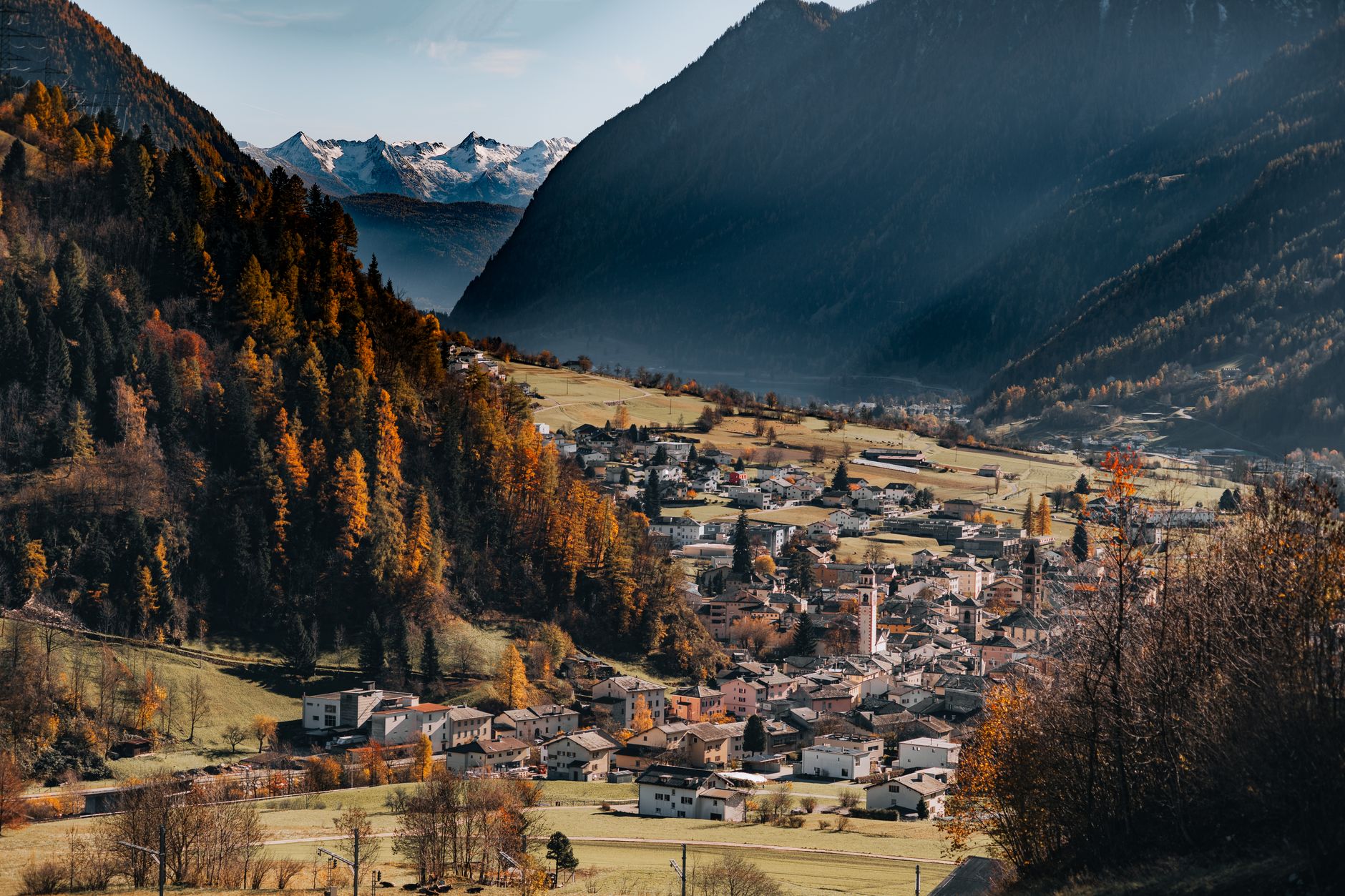
Overtourism in peak season has a practical cost beyond the annoyance of queuing. Popular sites - Dubrovnik’s Old City walls, the Acropolis, the Amalfi Coast road - operate at a pace in July that actively limits how much of them you absorb. You’re moving with a crowd, not through a place. Shoulder season returns a degree of agency to how slowly you walk, where you stop, how long you stay.
For budget travellers specifically, peak crowds also inflate the cost of everything adjacent to the main attraction. The café across from the Colosseum charges more in August because it can. That calculation changes by October.
What Actually Closes
This is the only real trade-off worth checking. Some smaller beach bars, island-specific boat tours, and resort-town restaurants do close after mid-September. This varies enormously by location - Lisbon and Barcelona barely notice the seasonal shift, while a small Cycladic island might feel genuinely quieter. Checking which specific things you want to do against the actual closure dates for that destination takes twenty minutes and prevents the only genuine disappointment shoulder season can produce.
The fear of arriving somewhere ‘closed for season’ is usually more exaggerated than the reality - but it’s worth verifying rather than assuming either way.