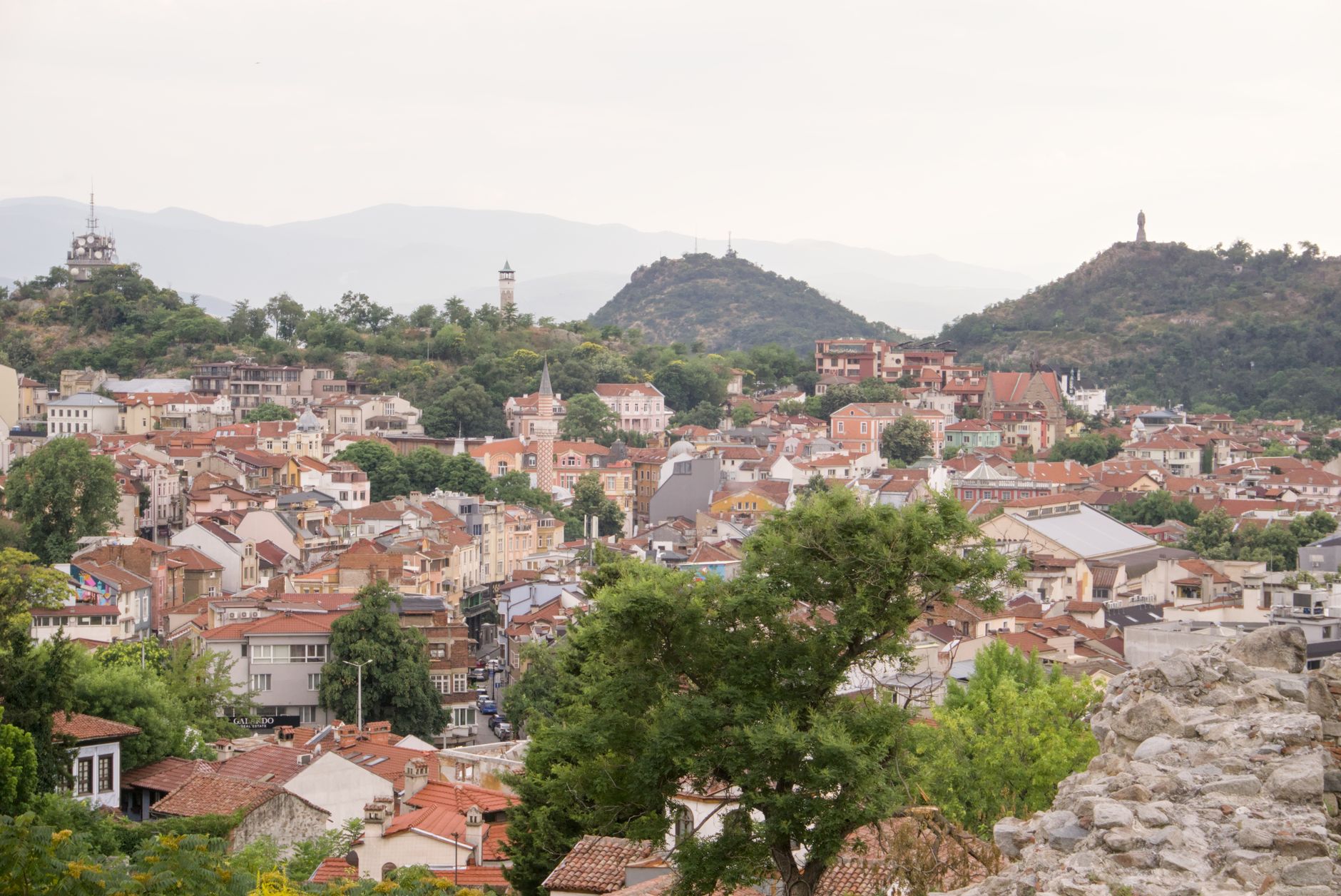
Most preserved old towns in Europe operate on a kind of implicit agreement: tourists walk through, residents have long since moved out, and the whole thing functions as an open-air exhibit. Plovdiv’s Old Town didn’t get that memo. Families hang laundry from the balconies of 19th-century National Revival houses. Cats sleep on Roman stonework. Someone’s grandmother is arguing on the phone in Bulgarian two metres from a restored fresco.
This is one of the oldest continuously inhabited cities in Europe - settled before Rome was founded, though the exact timeline depends on which archaeologist you ask. The visible Roman ruins aren’t themed or fenced off behind gift shops. The ancient theatre, built in the 1st century AD during the reign of Trajan, sits embedded in the hillside and still hosts concerts and performances. You can stumble onto it from a back street without trying.
The Hills Sort Themselves Out
Plovdiv is built across several hills - historically seven, though the number shifts depending on which source you consult. The Old Town occupies three of them. Navigation is instinctive rather than planned: uphill gets you to cobblestones and architecture, downhill brings you back to the main pedestrian strip, Kapana (the craft district), or the river. Getting lost here is genuinely low-stakes.
Kapana deserves its own mention. It was a rundown quarter that the city began reviving in the early 2010s. What’s there now - independent coffee roasters, small galleries, bars that open at noon and don’t close until well past midnight - doesn’t feel manufactured. The ratio of locals to tourists still tilts heavily local, especially on weekday evenings.
The Practical Case
Bulgaria uses the lev, not the euro, and prices reflect it. A meal at a sit-down restaurant in Plovdiv that would cost €25 in Lisbon will cost closer to €8 here. The bus from Sofia takes roughly two hours and runs frequently. Flights into Sofia from most western European cities are short and often inexpensive.
Plovdiv hosted the European Capital of Culture designation in 2019, which brought infrastructure investment and international attention. Some of that attention stuck; most of it didn’t. The city is quieter now than it was that year, which is to say: it’s better.
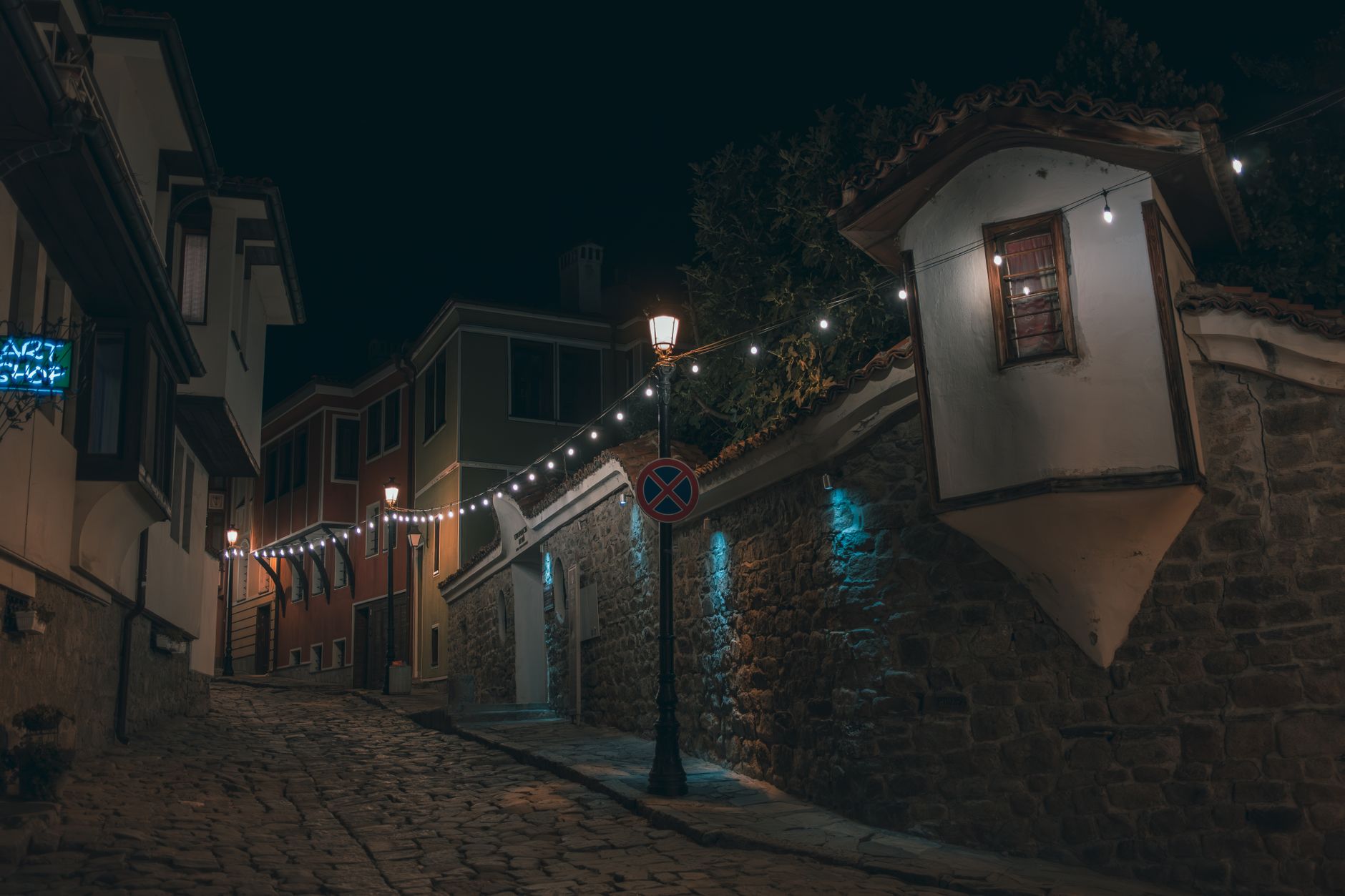
The Old Town at dusk, when the tour groups have gone and the residents reclaim the streets, is one of the more quietly striking things you can see in the Balkans. It’s not performing for you. That’s exactly what makes it work.