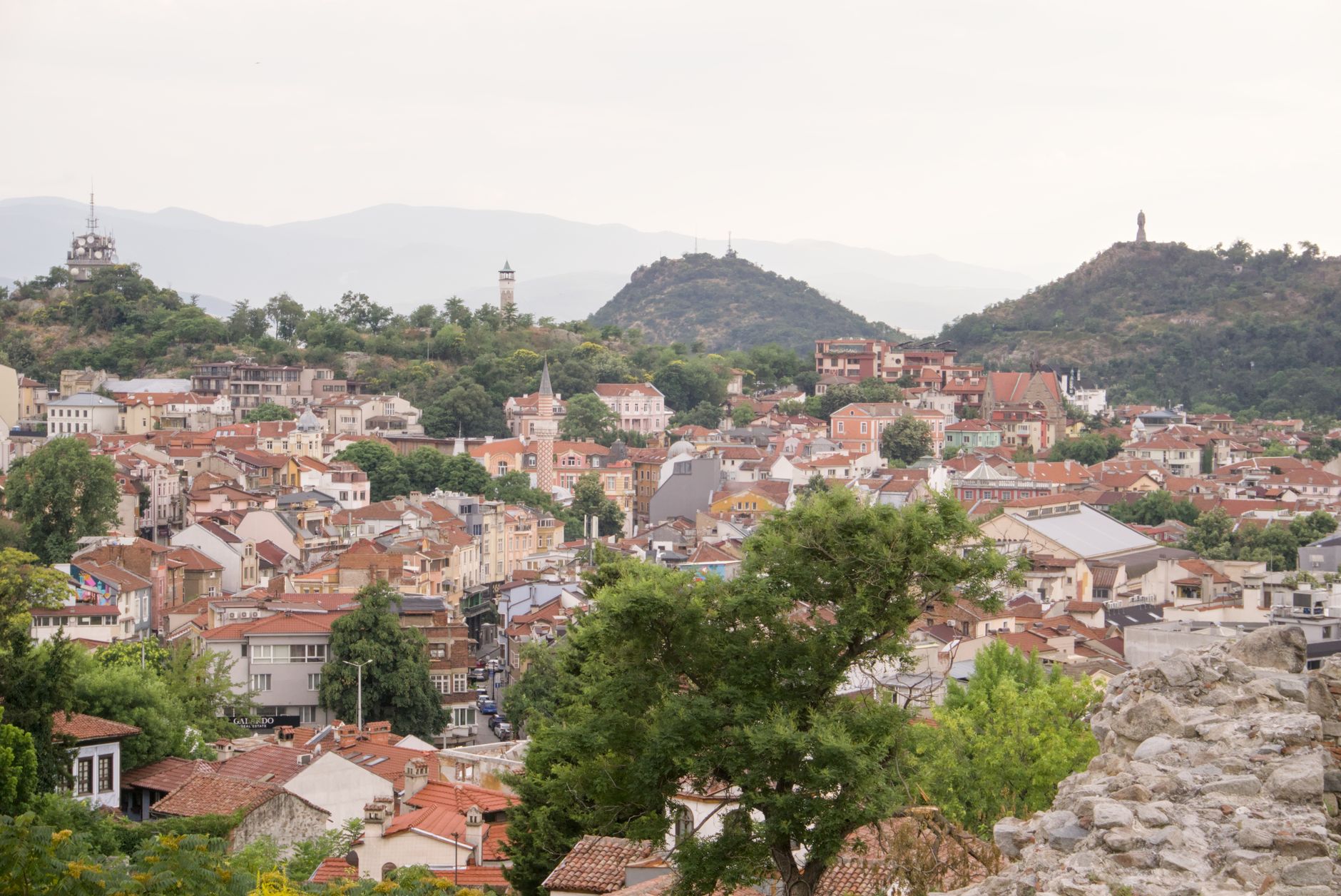
Sofia does a decent job of absorbing visitors and then quietly exhausting them. Two days in, you’ve done Vitosha Boulevard, walked through the Alexander Nevsky Cathedral, eaten banitsa from a street window, and started wondering what comes next. The answer most Bulgarians will give you, without much deliberation, is Plovdiv - two hours southeast by bus or train.
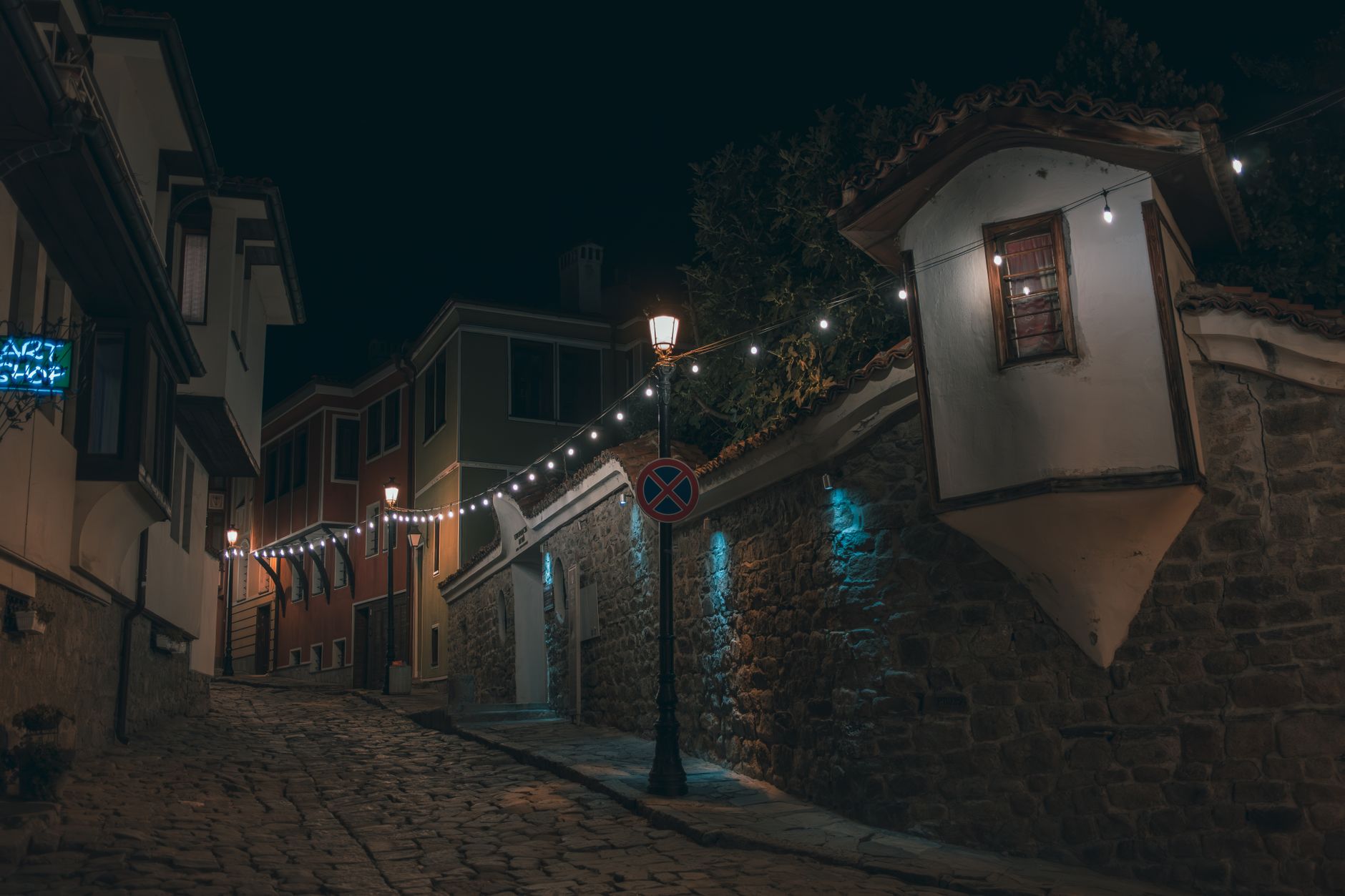
Plovdiv is one of the oldest continuously inhabited cities in Europe, a fact that sounds like a brochure line until you’re actually standing on the Nebet Tepe hill looking at Thracian fortification walls that predate Rome by centuries. The Old Town - Stariat Grad - is built across three of the city’s hills, and the architecture is the Ottoman-era Bulgarian Revival style: overhanging upper floors, ornate facades, wooden bay windows painted in deep ochres and blues. Several of the mansions have been converted into museums, but the neighbourhood itself functions as a lived-in place rather than a set piece. People hang laundry between the historic buildings. Cats sleep in doorways.
The Roman Theatre Is Still in Use
The ancient Roman theatre, dating to the 2nd century AD, is embedded into the hillside of the Old Town and seats around 7,000 people. It’s not behind a fence with a gift shop attached - it hosts actual concerts and performances through the warmer months. Seeing it on a quiet morning, with the Rhodope Mountains visible in the distance and almost no one else around, is one of those accidental moments of proportion that travel occasionally delivers.
Kapana
Down from the hills, the Kapana district - the name means ‘the trap’ in Bulgarian, historically because its narrow streets confused visitors - has been repopulated with independent coffee shops, small galleries, and restaurants that aren’t aiming for tourists specifically. It’s the kind of neighbourhood that gets called ‘up and coming’ for about a decade until it isn’t anymore. Where it sits on that curve right now is hard to say.
Plovdiv was a European Capital of Culture in 2019, which brought infrastructure investment and some international attention. That attention hasn’t fully stuck, which means the city is still at a scale where you can spend a few days without feeling managed by tourism. That balance won’t last indefinitely - these things rarely do.