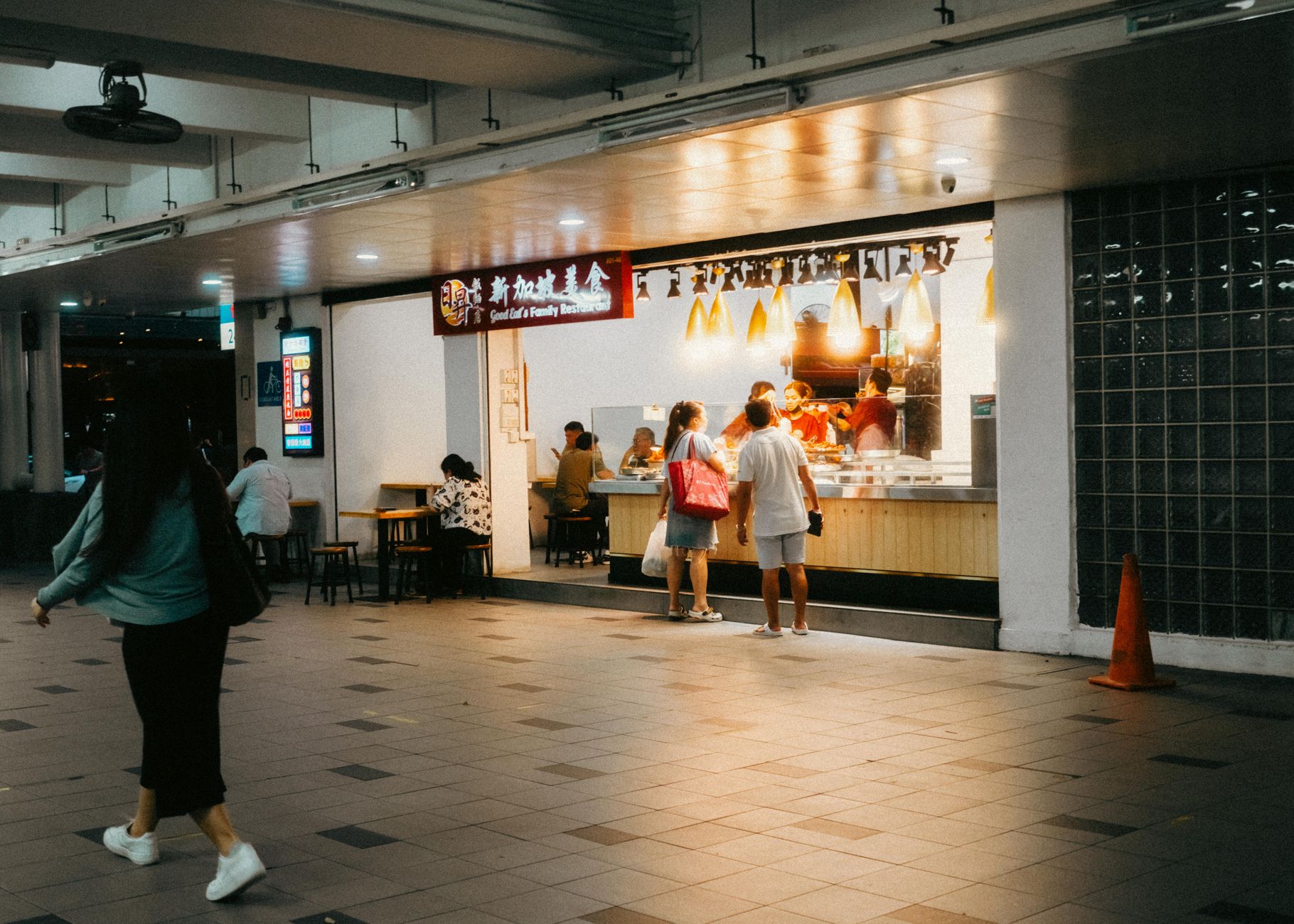
Most people arrive in George Town with a list: char kway teow at Lorong Selamat, asam laksa at Air Itam market, cendol somewhere near the clan jetties. What the lists don’t mention is that several of the most famous stalls operate for three or four hours a day, sell out, and close. By the time a lot of visitors have finished breakfast and wandered over, it’s already done.
This isn’t a complaint about Penang - it’s a reason to pay closer attention to how the city actually runs.
The Hawker Day Is Split in Two
George Town’s hawker culture operates in distinct shifts. The morning session runs roughly from 7am to 11am, and this is when some of the oldest, most established stalls do their real business - locals grabbing nasi lemak or curry mee before work, not tourists with cameras. A second wave starts around 5pm and runs into the night, when the open-air hawker centres fill up and the char kway teow smoke starts rising again.
The midday gap isn’t dead - there are coffee shops and kopitiam open through the afternoon - but if you show up at 2pm expecting the full experience, you’ll miss the point of the city’s eating culture.
What No One Tells You About Air Itam
The Ayer Itam market, a short Grab ride from the heritage zone, is often written up purely for its asam laksa. That’s fair - the version served there is genuinely one of the better ones in Penang, with a tart, fish-forward broth and a shrimp paste hit that sits with you. But the market itself is worth the trip regardless. It’s a working wet market and hawker space that hasn’t been arranged for outside visitors. The crowd at 8am is almost entirely neighbourhood regulars.
Getting there before 9am matters. After 10:30, the laksa stall queue gets long and the fish supply at the wet market starts thinning.
On Timing, Broadly
Three days in Penang isn’t enough to eat everything worth eating. Five days probably isn’t either.
One Practical Note
Cash still runs most hawker stalls in George Town, even in 2026. A few of the newer spots accept QR payments via Malaysia’s DuitNow system, but assuming you can pay by card at a traditional hawker stall will slow down the queue and earn you a look. Ringgit in small denominations, kept accessible, is still the way to go.