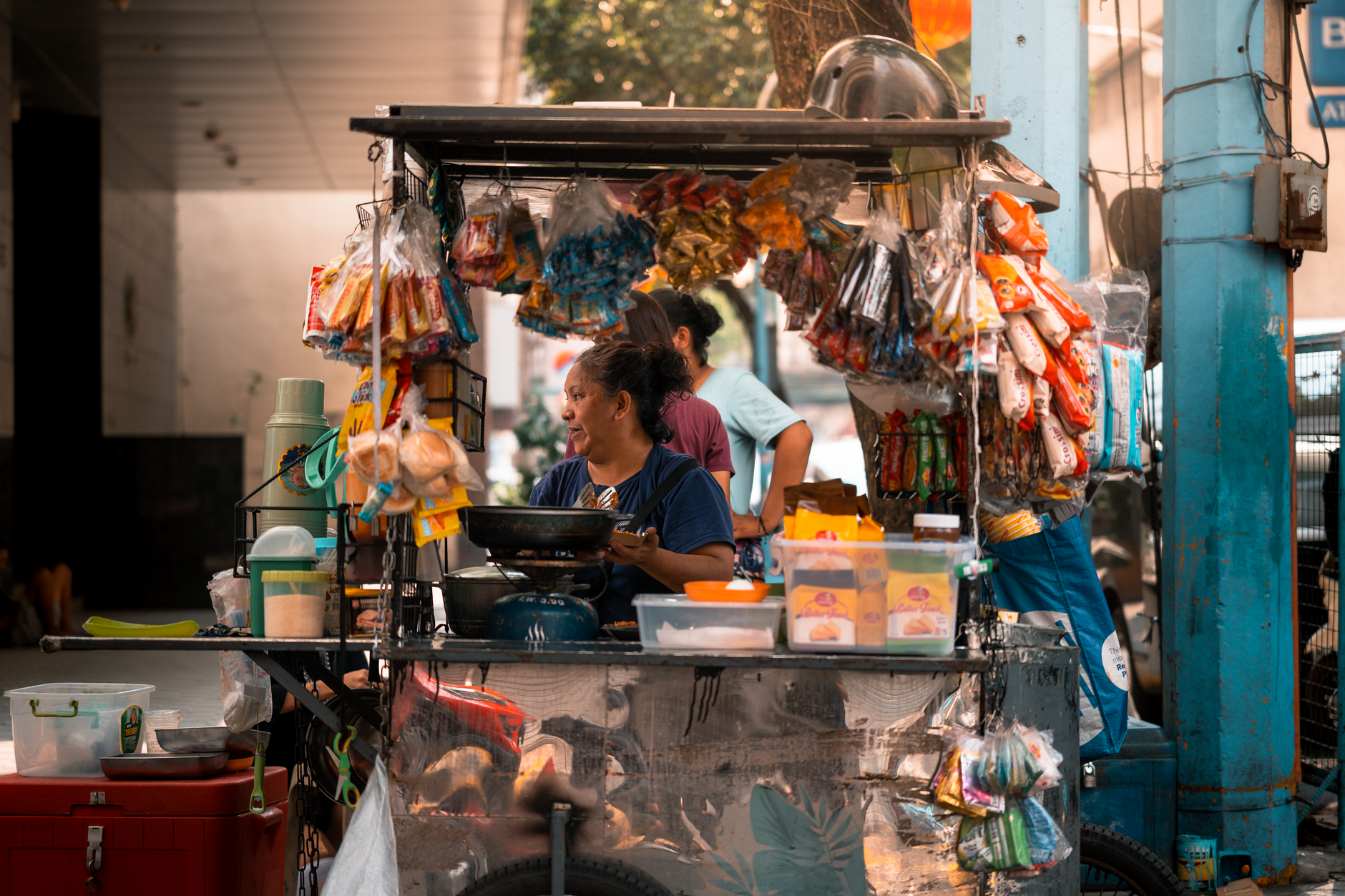
George Town’s hawker culture has been declared a UNESCO Intangible Cultural Heritage, appeared on every ‘best food city’ list published in the last decade, and attracted enough culinary tourism that some stalls now operate with QR code menus and card readers. None of that has made the food worse. That’s the thing people expect you to caveat, and it simply isn’t true.
The char kway teow at the open-air stalls along Lorong Selamat is still being wok-fried over charcoal by the same family operations that built the reputation. The lard goes in. The cockles go in. The breath of wok hei - that high-heat smokiness that only comes from a flame you can’t replicate on a domestic stove - still happens. Tourism has added crowds and occasionally inflated prices by a ringgit or two, but it hasn’t homogenised what ends up in the bowl.
What Actually Changes Between Stalls
The variation between stalls is sharper than most food writing admits. Asam laksa in Penang is sour, fishy, and thick with tamarind - it tastes nothing like the coconut-based laksa you’d find in Singapore or Kuala Lumpur, and even within George Town, the broth weight and fish-to-noodle ratio shifts noticeably from one hawker to the next. Ordering asam laksa at Air Itam market and then again at a stall near Chowrasta is effectively eating two different dishes that happen to share a name.
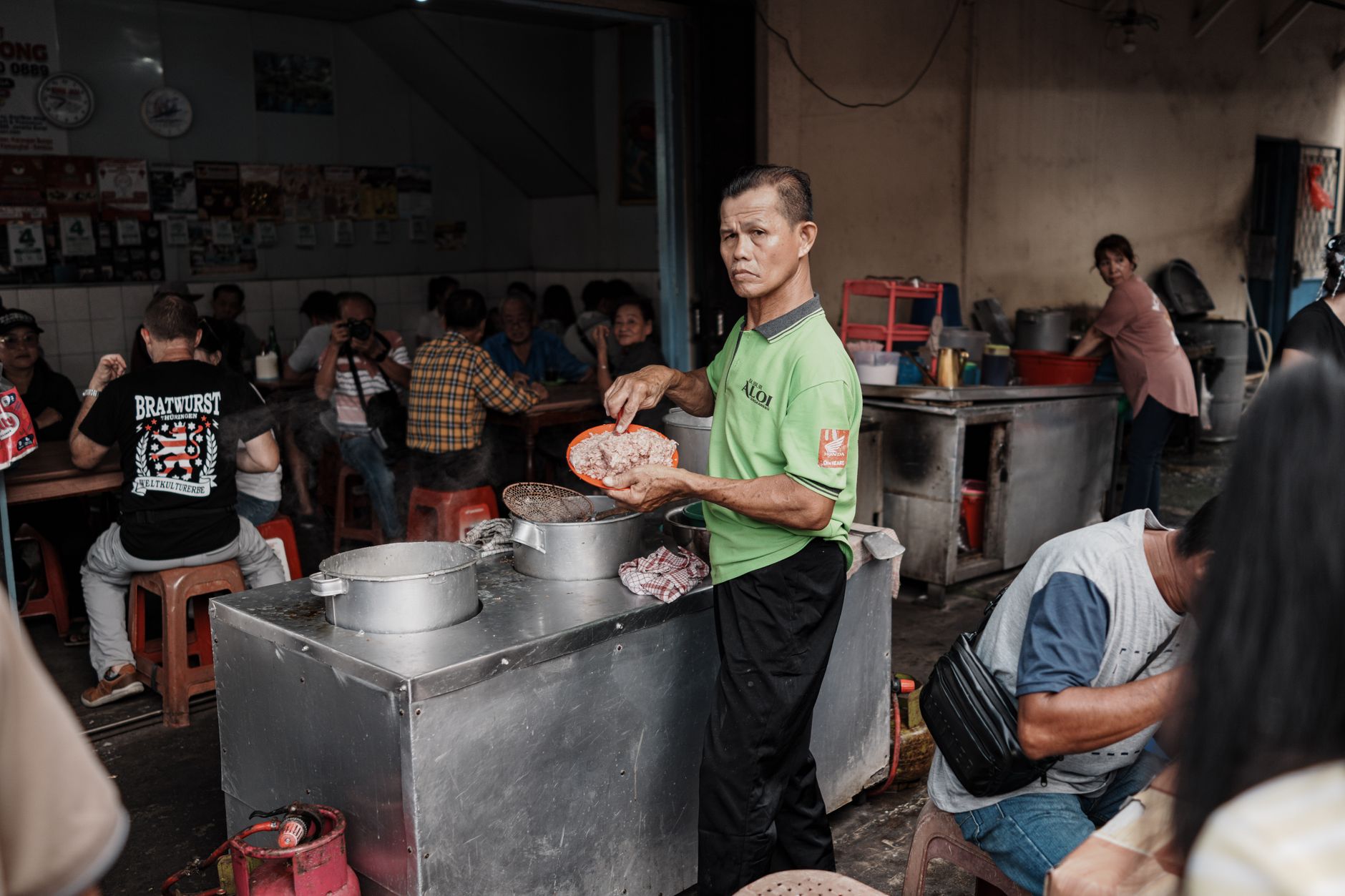
This matters for how you approach eating here. Going in with a checklist - char kway teow, cendol, rojak, done - misses the point. The more useful move is to pick one dish and eat it three or four times across different parts of the island.
The Timing Is Not Negotiable
Most serious hawker stalls in George Town open for breakfast or lunch and sell out before 2pm. This is not a quirk - it’s how the economics work when you’re cooking in volume for a neighbourhood crowd. Arriving at 7am on a weekday and sitting down to prawn mee in a coffee shop where every other table is occupied by someone on their way to work is one of the more specifically pleasurable things Penang offers.
The evening hawker centres at Gurney Drive and New Lane are good, but they run later because they’re calibrated for a different crowd. Both are worth eating at. Neither is where the food is at its most concentrated.
Penang rewards people who treat meals as the itinerary, not a break from it.