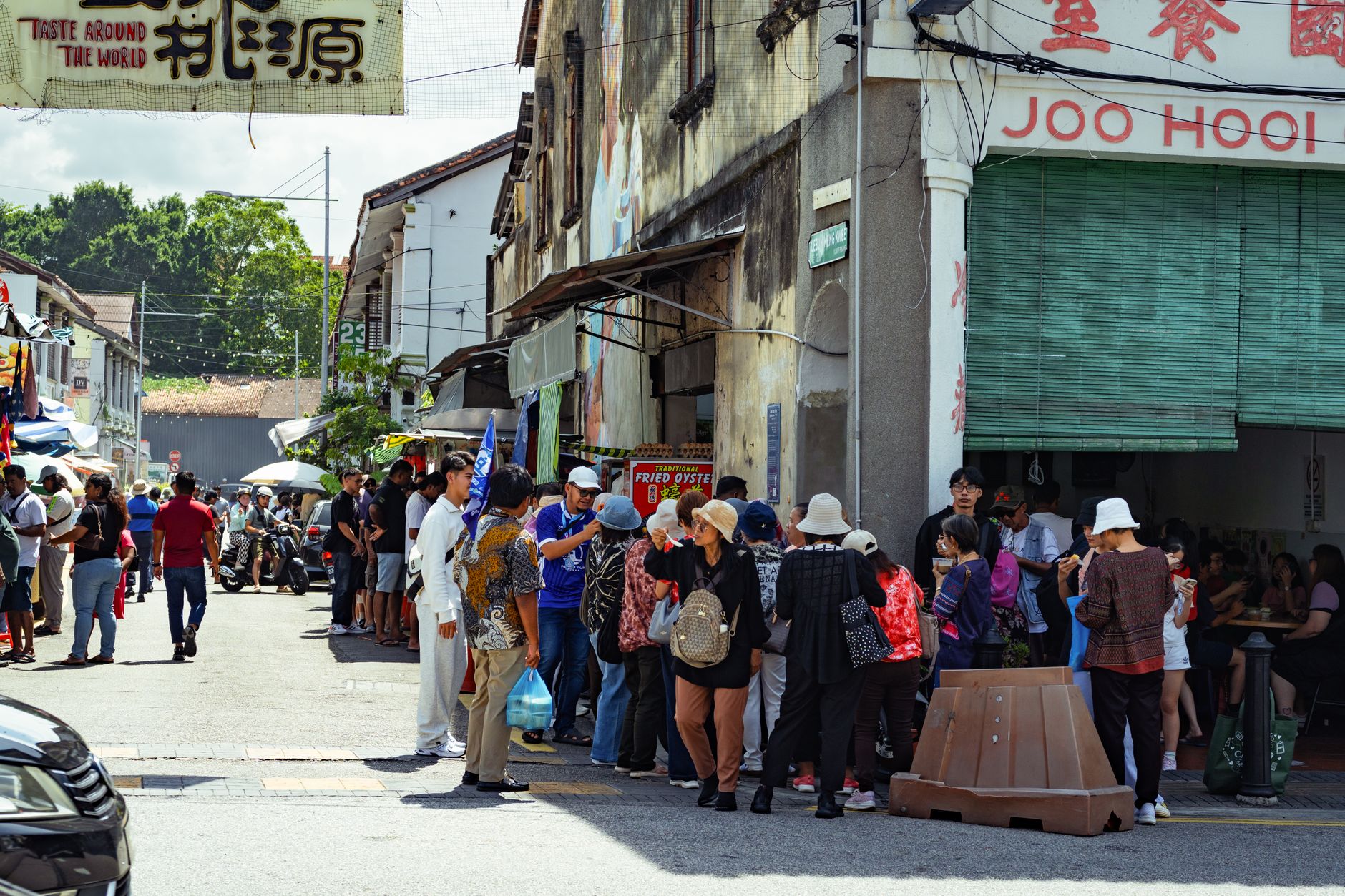
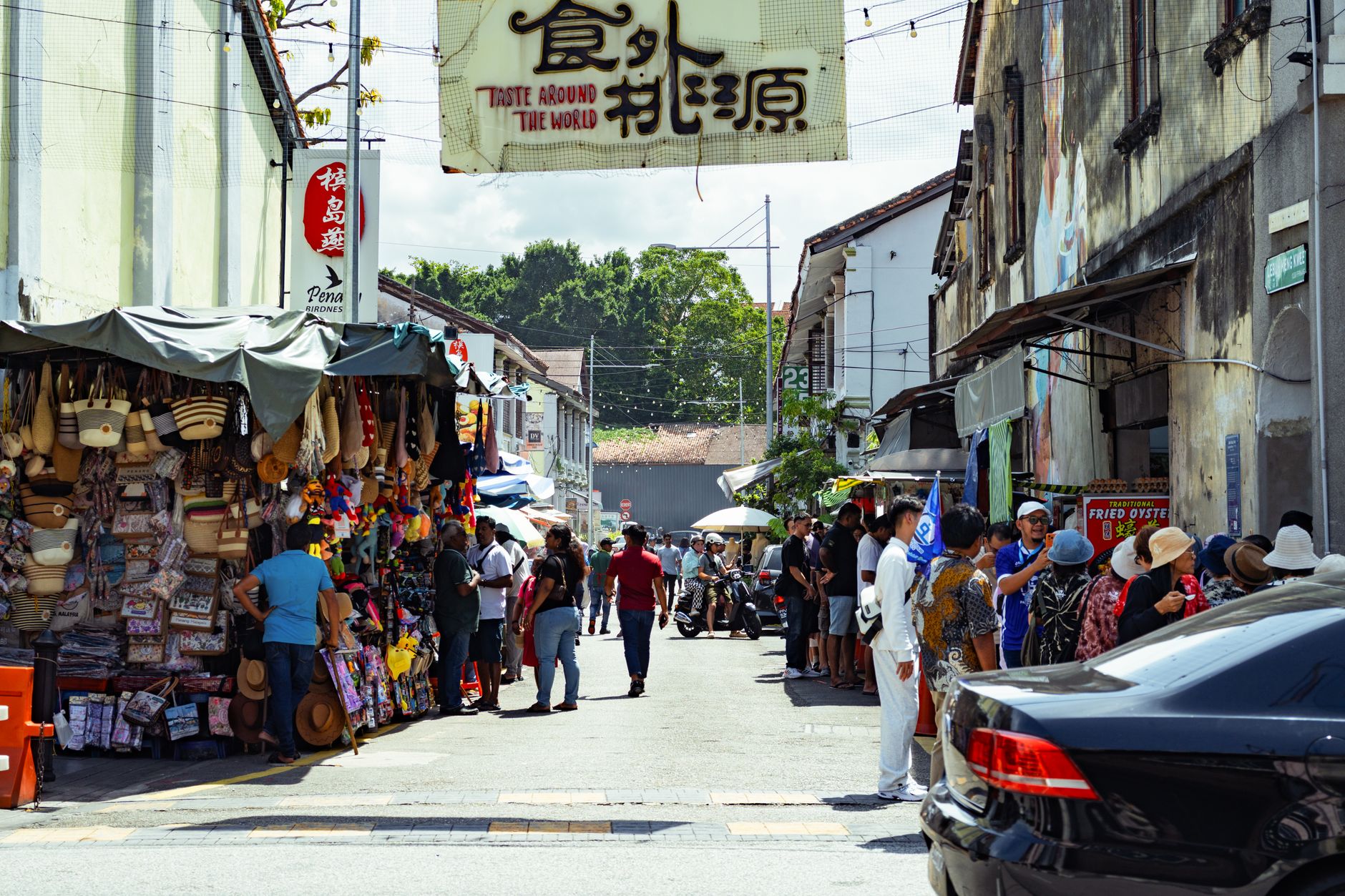
Most food writing about Penang treats the hawker stalls like a bonus feature - the charming backdrop to a heritage walk through George Town’s shophouse streets. That gets it exactly backwards. The food is the city’s primary logic. The streets, the clan jetties, the five-foot ways - they organised themselves around where people needed to eat and when.
The clearest example is Gurney Drive. The hawker centre there isn’t famous because it’s scenic. It’s famous because the char kway teow comes from a lineage of Hokkien Chinese cooks who have been working those same flat iron woks for generations. The smokiness - what Cantonese cooks call wok hei - isn’t a technique you pick up from watching videos. It accumulates over years of cooking at high heat on the same equipment. You can taste that in Penang in a way that’s genuinely difficult to replicate in cities where hawker culture is newer or more dispersed.
George Town’s UNESCO listing in 2008 was for its historic architecture, but the designation has had an unintended effect: it priced out some of the very residents whose food culture made the city worth protecting. Rents in parts of the heritage zone have climbed significantly since the late 2000s, and some older hawker families have moved their operations to outer neighbourhoods like Air Itam or Farlim. Those areas are less photographed, harder to reach without a Grab or a rented scooter, and substantially better eating.
The Assam laksa at the Air Itam market is the version most locals will point you toward - a sour, tamarind-heavy fish broth that bears almost no resemblance to the coconut-based laksa served in Singapore or Kuala Lumpur. They share a name and almost nothing else.
What Actually Takes Time
Penang rewards a slower pace not because slow travel is fashionable, but because the hawker schedule is genuinely inconvenient. The best char kway teow stalls often operate only in the evenings, certain popiah vendors appear only on weekend mornings, and some of the older operations close whenever they feel like it. You cannot eat your way through this city on a two-night itinerary. Three nights is the minimum; five gives you actual flexibility.
Bring cash. Many of the older stalls don’t accept cards or QR payments, and the ones that do often have a minimum spend.