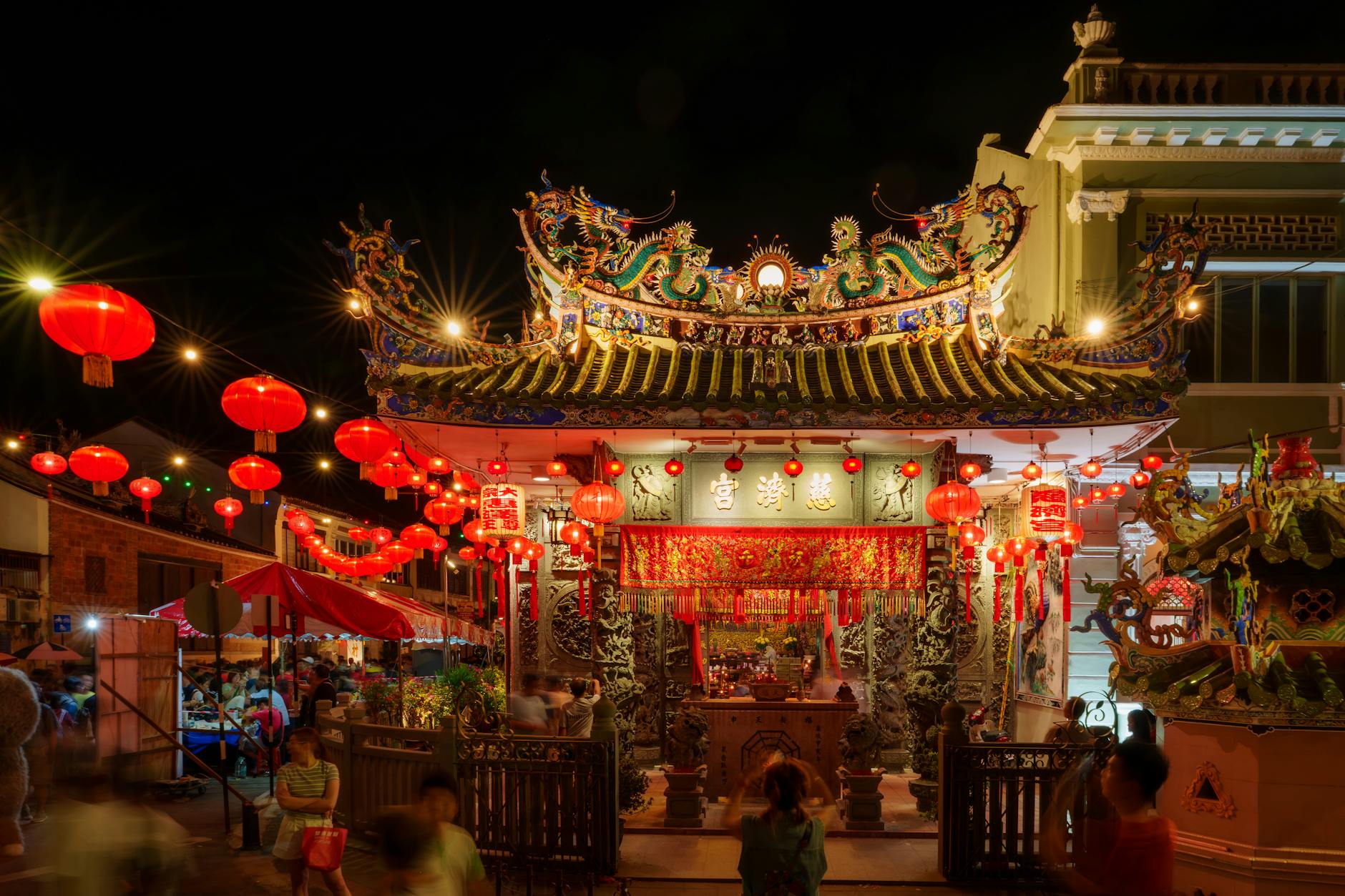
Most people who visit Penang never actually leave Georgetown. They walk the clan jetties, photograph the street murals on Armenian Street, eat char kway teow twice, and fly out. That’s a reasonable trip. It’s also about a quarter of what the island is.
Penang Island covers roughly 293 square kilometres. Georgetown occupies the northeast corner. Everything else - the hill, the fishing villages, the west coast beaches, the kampungs with their own distinct food cultures - gets treated like an afterthought, if it gets treated at all.
Penang Hill Is Worth the Effort, But Not for Sunset Selfies
The funicular railway up Penang Hill runs from Air Itam and takes about ten minutes. At the top, there’s a small heritage zone with colonial bungalows, a mosque, a Hindu temple, and a Kek Lok Si affiliated shrine. Tourists tend to cluster at the viewing deck, photograph the city, and come back down.
The more interesting thing to do is walk. The hill has trail networks that descend through jungle to the outskirts of Balik Pulau on the western side. These trails are not particularly well-signposted, and the descent takes two to three hours depending on which route you take. You’ll want proper shoes and more water than you think. What you get is forest that feels genuinely remote, given you’re on one of Southeast Asia’s most visited islands.
Balik Pulau Has Its Own Food Culture
Balik Pulau is a small town on the southwest coast that sees almost no tourist traffic despite being about 30 minutes by car from Georgetown. It has a morning market that functions as a proper local market rather than a performance of one. The asam laksa made here is noticeably sourer and more tamarind-forward than what you’ll find in Georgetown - locals will tell you it’s the original version, though food origin claims in Penang are always contested territory.
The town sits near durian orchards. If you visit between June and August, roadside stalls sell local varieties, including Musang King and D24, directly from the farms. Prices are lower than in the city.
The West Coast Doesn’t Compete With Langkawi
It shouldn’t have to. Beaches at Pantai Kerachut and Monkey Beach inside Penang National Park are accessible only on foot or by boat. They’re not spectacular by regional standards - the water clarity doesn’t rival the Andaman Sea farther north - but they’re quiet in a way that Batu Ferringhi, the main tourist beach on the north coast, no longer is.
Batu Ferringhi has a night market and a long strip of resort hotels. It functions well as a beach base if that’s what you want. The national park beaches require more effort and offer something different: the sense that the island has edges that most visitors never reach.
Renting a car or scooter from Georgetown and spending a day looping the island’s perimeter takes about four to five hours without stopping. Almost no one does it. That’s the reason to.