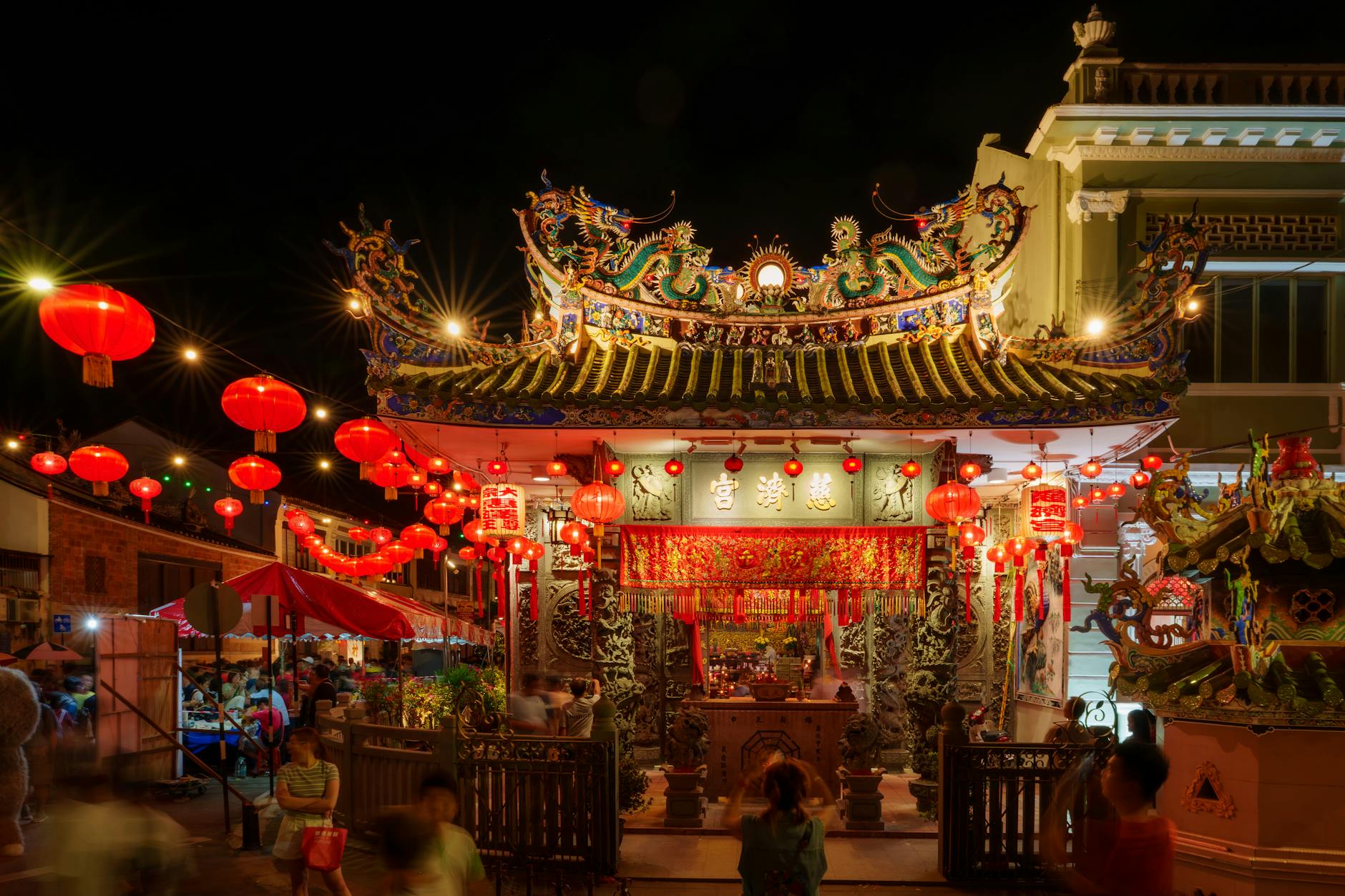
Most people arrive in George Town with a list of hawker stalls and leave with a different understanding of what a city can be. Penang is sold almost entirely on its food - and the food is genuinely exceptional, some of the most layered and historically dense street eating in Southeast Asia - but the island holds you for reasons that have nothing to do with char kway teow.
George Town is a UNESCO World Heritage Site, and unlike some cities where that designation feels like a bureaucratic footnote, here it shaped how the old quarter developed after 2008. The pre-war shophouses were largely preserved rather than replaced. Walking the grid between Lebuh Armenian and Jalan Penang, you pass clan jetties, Hindu temples built into Chinese townhouses, and mosques a short walk from colonial post office buildings. The compression of it is unusual - not chaotic, but genuinely layered in a way that reflects 500 years of port-city trade.
The street art installed from around 2012 onwards by Lithuanian artist Ernest Zacharevic is by now well-documented, but the iron rod sculptures scattered through the heritage zone are less photographed and more interesting. They depict scenes from George Town’s past - trishaw riders, market vendors - and they’re easy to miss if you’re only following the mural trail.
Getting the Logistics Right
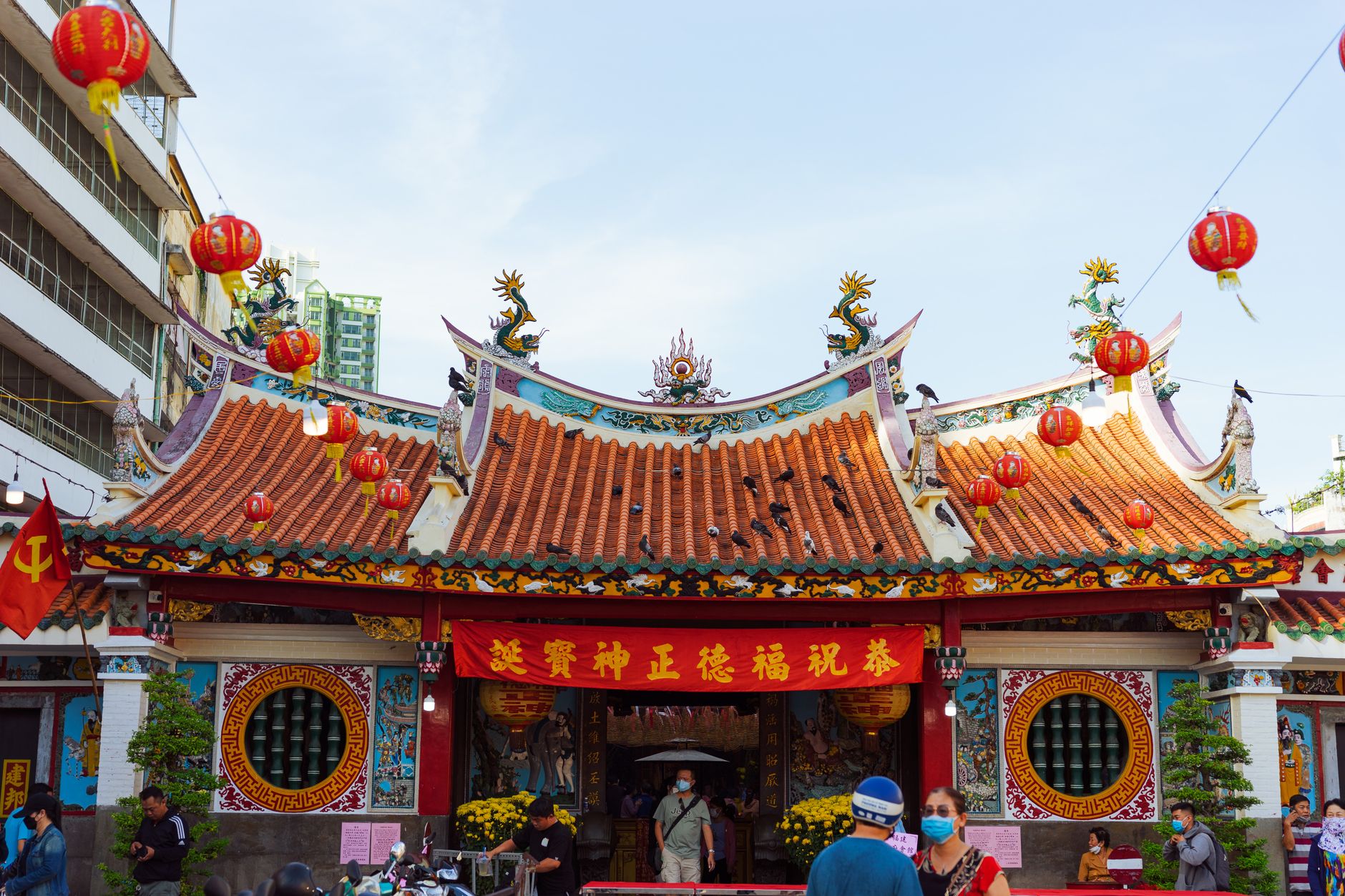
Flights into Penang International Airport from Kuala Lumpur take under an hour, and AirAsia runs the route multiple times daily. Budget accordingly: fares can be under MYR 100 one way if booked ahead. From the airport, Grab is the easiest option into George Town; the fixed-rate taxis from the terminal cost more and the journey is the same.
Accommodation in the heritage zone is worth the extra cost over beach-side Batu Ferringhi. Being on foot in the old quarter at 6am, when the roti canai stalls open and the streets are still cool, is the part of Penang that doesn’t photograph well but sticks with you longest.
The Timing
June sits outside the peak season and before the northeast monsoon that arrives later in the year. It rains, but briefly - afternoon downpours that clear within the hour. The tourist pressure is lower than December or Chinese New Year, which matters in a heritage zone where the lanes are genuinely narrow.
Two days is always too short. Most people figure that out by the end of the first evening.