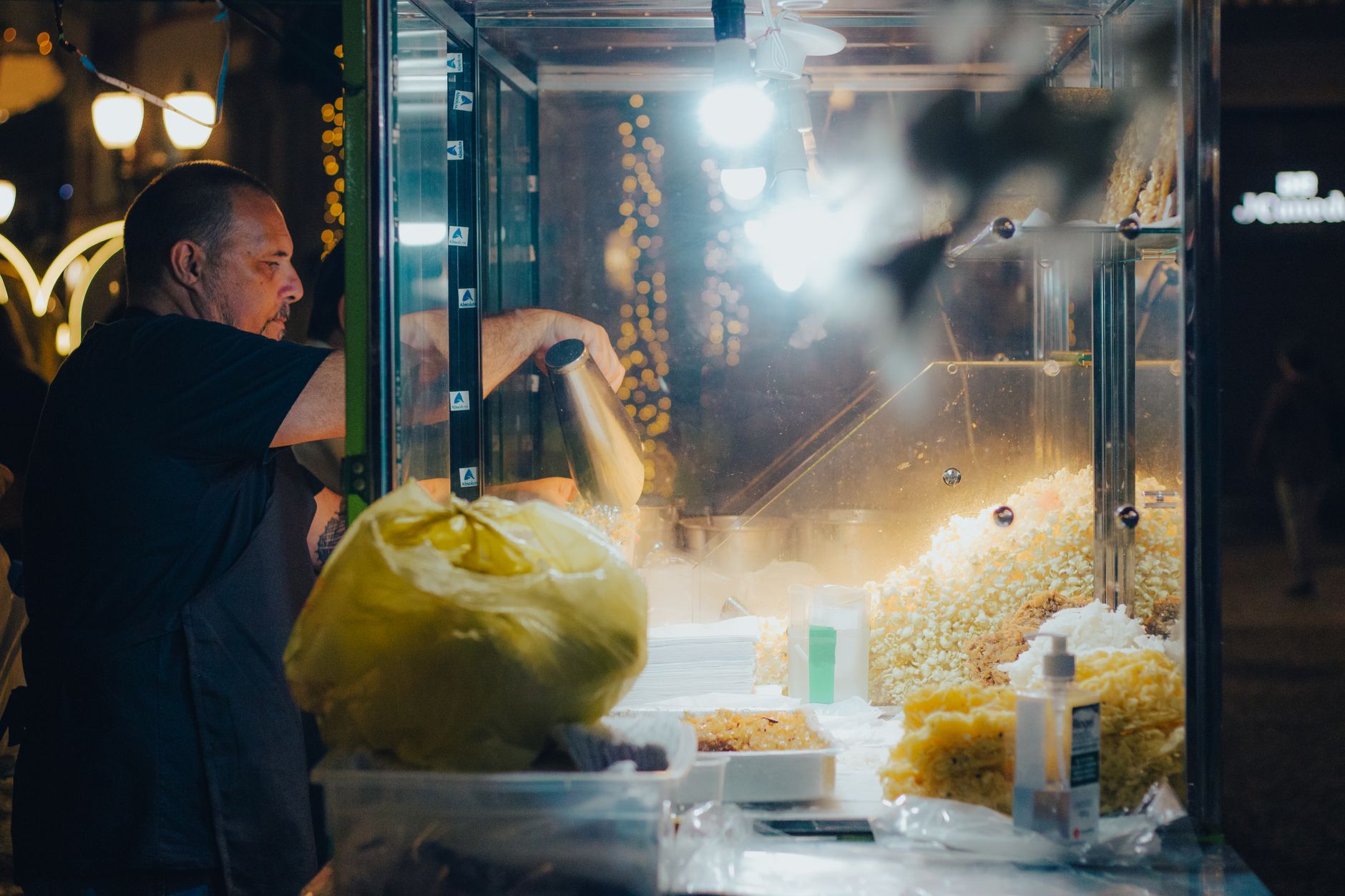
The char kway teow at a specific hawker stall in George Town - the one operated by the same family for decades on Lorong Selamat - is not interchangeable with the char kway teow two streets over. Penangites will tell you this immediately, and they’re right. The wok hei is different. The lard content is different. The prawn size is different. This level of specificity, applied to essentially every dish on the island, is what separates Penang from every other food city in the region.
George Town’s food culture is a product of layered migration. Hokkien Chinese settlers arrived from Fujian province and brought noodle traditions. Tamil and Malayali communities brought spicing techniques and banana-leaf eating culture. Malay cooking shaped the use of coconut milk, belacan, and tamarind. None of these absorbed each other cleanly - they coexisted, borrowed selectively, and competed. Assam laksa, for instance, is a Malay-soured fish broth served with thick rice noodles and garnished with pineapple. That combination would not exist without that particular intersection of influences happening in that specific port city.
The hawker system itself matters more than people acknowledge. In Penang, hawker stalls are frequently single-dish operations. One family, one dish, refined over generations. This is structurally different from the food courts of Kuala Lumpur or the hawker centres of Singapore, where vendors often operate broader menus. Specialisation at this level creates a kind of competitive pressure that generalisation doesn’t.
What to Actually Prioritise
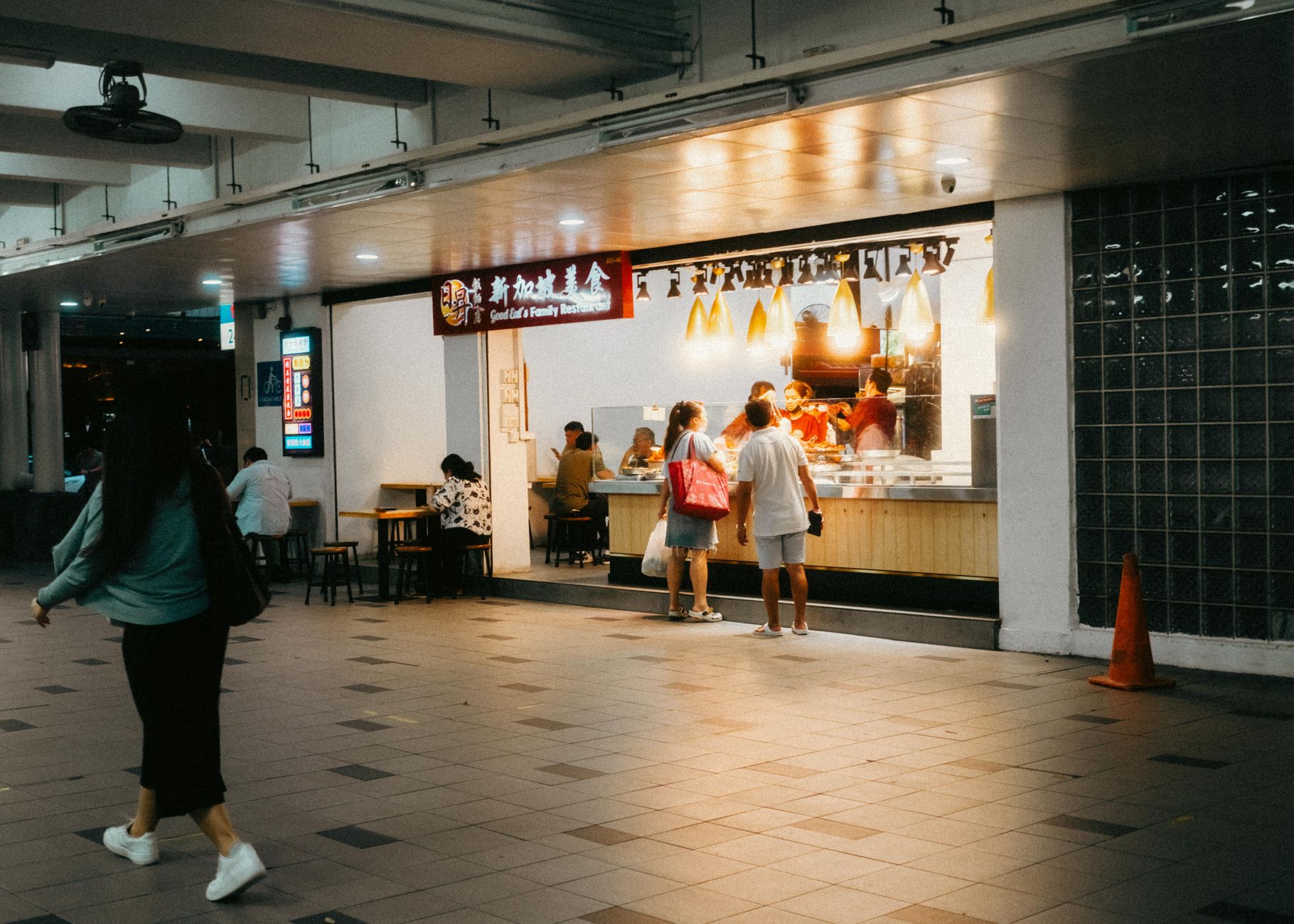
If you have three days, eat Penang prawn mee for breakfast at least once - the stock is long-simmered and the version at stalls inside Pasar Lebuh Cecil is reliable. Nasi kandar, the Muslim-Indian rice dish served with rotating curries ladled tableside, is a lunch fixture; Hameediyah on Campbell Street has been operating since 1907. For something lighter, cendol - shaved ice with green rice-flour jelly, palm sugar syrup, and coconut milk - cuts through afternoon heat in a way that nothing else does.
Skip the hotel breakfast entirely. In Penang, eating well before 9am is not optional - it’s how the locals communicate that they take food seriously.
Getting There
Penang International Airport connects directly to Kuala Lumpur (around 55 minutes), Singapore, Bangkok, and several Chinese cities. The island is also reachable by ferry from Butterworth on the mainland, though most travellers fly in. George Town, where nearly all the eating happens, is a short taxi or Grab ride from the airport.
Accommodation inside the UNESCO-listed heritage zone puts you within walking distance of most hawker areas. The trade-off is noise - George Town’s old quarter is not quiet at night, and that’s not something earplugs fully solve.