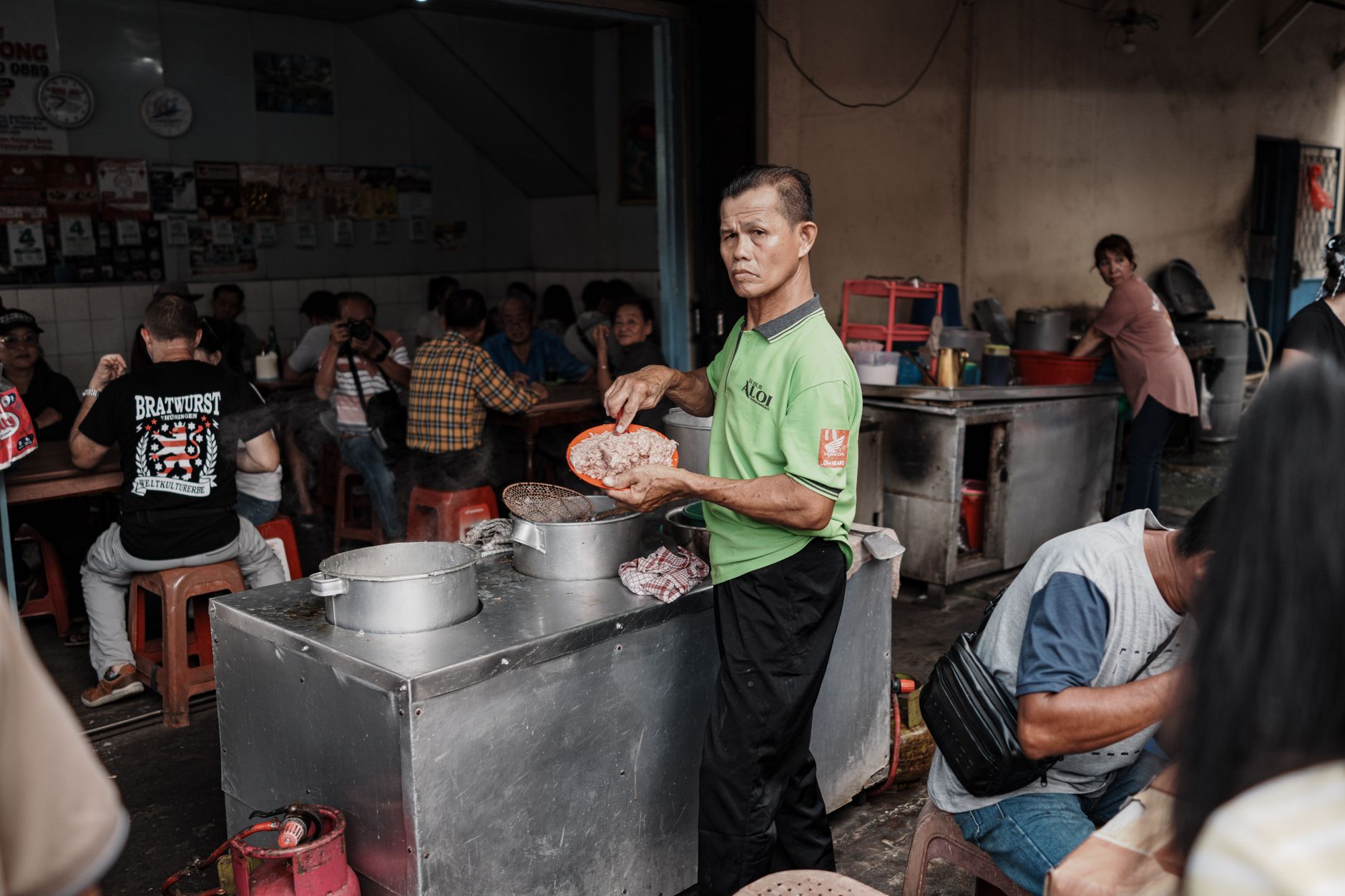
Most food-focused travel writing about Penang starts at lunch. That’s the wrong entry point. The stalls that matter - the ones that have been doing one dish for thirty or forty years - are often packed up and gone before noon. Some close by 10am.
George Town operates on a hawker schedule that rewards early risers in a way that almost no other city in Southeast Asia does. The Chowrasta Market area on Penang Road is busy by 6:30am. Stalls selling char kway teow, Hokkien mee, and curry mee treat the morning as prime service hours, not warm-up time. The logic is straightforward: these cooks often start at 3 or 4am, and by mid-morning they’ve run through their prep. When the food is gone, the stall closes - regardless of clock time.
Lorong Baru (New Lane) is worth knowing specifically. It runs off Macalister Road and hosts a hawker row that draws a mostly local crowd for breakfast. The nasi lemak there - coconut rice with sambal, a fried egg, and anchovies - is the kind that people in Penang will argue about with genuine emotion.
Why This Matters for How You Plan
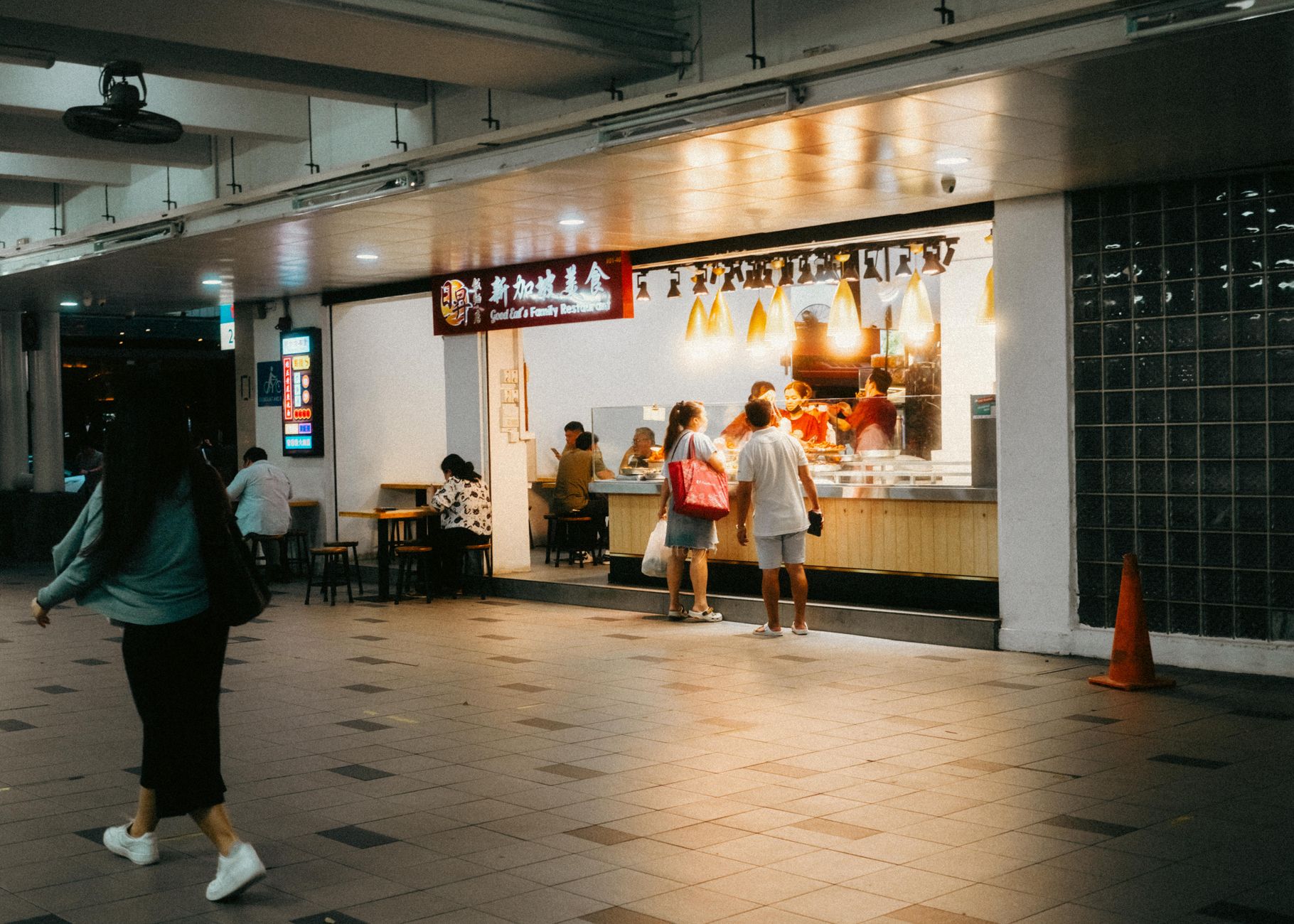
If you’re staying in the boutique guesthouses clustered around Armenian Street or Love Lane, you’re a short walk from several of the older hawker stalls. But those guesthouses tend to offer breakfast - and it’s tempting to take it, especially when it’s included in the rate. The trade-off is real: a hotel breakfast might cost you the window for the stalls worth visiting.
The other thing most itineraries miss is that Penang’s food geography is genuinely spread out. The stalls in Air Itam, up near the Kek Lok Si temple area, are different from what you’ll find in George Town proper. Asam laksa from Air Itam has a sharper, more tamarind-forward profile than versions served closer to the tourist corridor. Getting there requires either a Grab or some comfort with local buses, but neither is difficult.
One Honest Caveat
Penang’s reputation has attracted enough food tourism that some stalls near the heritage zone now operate more like tourist attractions than working hawker operations. Prices are still low by any international standard, but the experience of eating at a stall that’s genuinely feeding its neighbourhood is different from one that’s feeding its TripAdvisor ranking. The gap between those two things is narrowing - which is a reason to go sooner rather than later, not a reason to stay home.