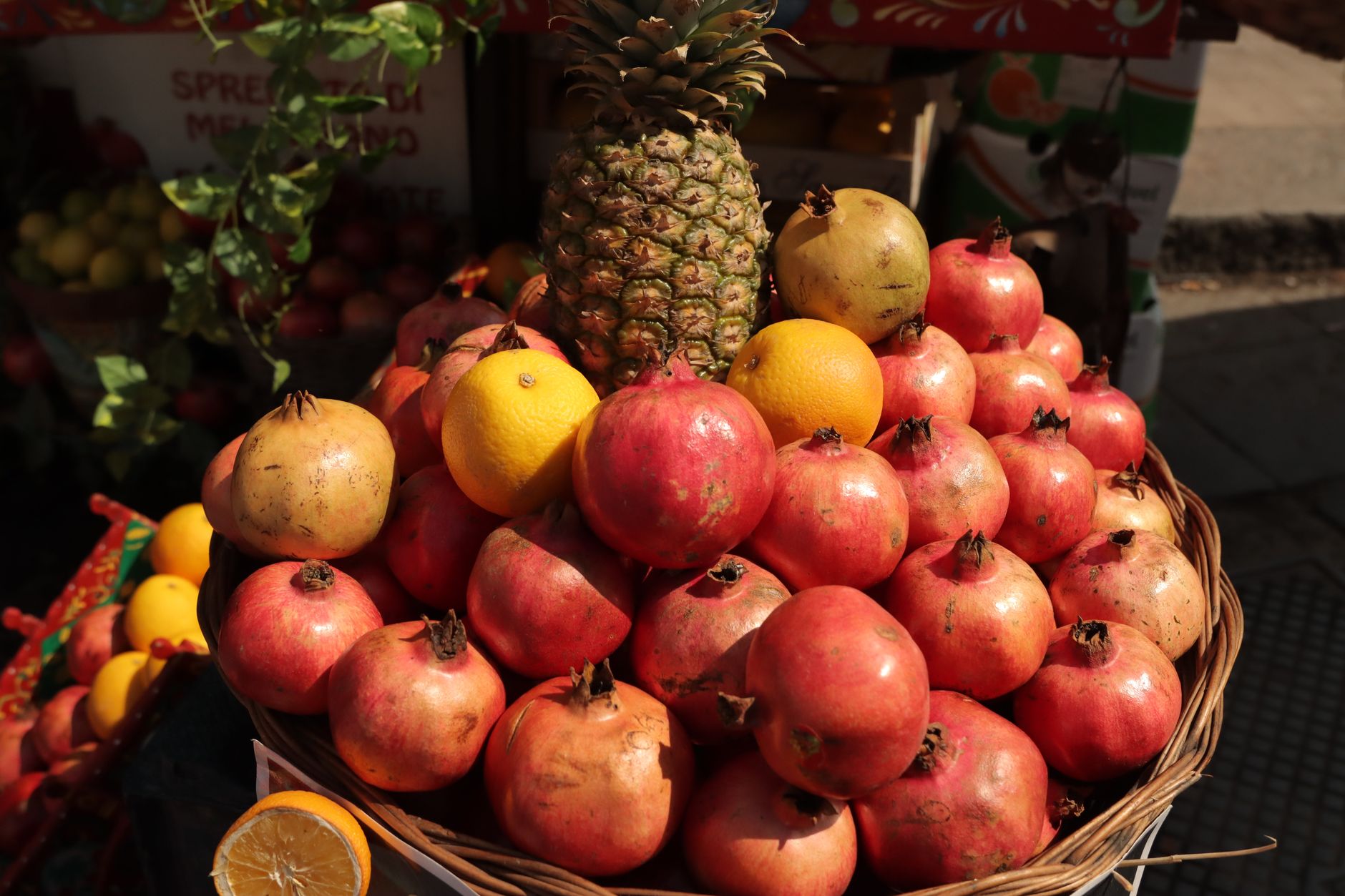
Palermo has fed people from market stalls and hole-in-the-wall counters for centuries. The city didn’t discover street food - it never stopped.
The three main street markets - Ballarò, Capo, and Vucciria - are not interchangeable. Ballarò, in the Albergheria neighbourhood, is the most working-class of the three and still primarily serves the people who live there. That matters. The prices reflect a local economy, not a tourist one. A panino con la milza - a small roll stuffed with spleen, lung, and lung fat, fried in lard - costs around two euros at the stalls near the market’s interior. It is not refined. It is not trying to be.
Vucciria, by contrast, has shifted. It still has market stalls during the day, but by night it becomes something closer to an open-air bar scene. Young Palermitans drink on the steps of crumbling palazzi while vendors sell beer from coolers. It’s worth going once, especially on a Friday, but it’s not where you eat well anymore.
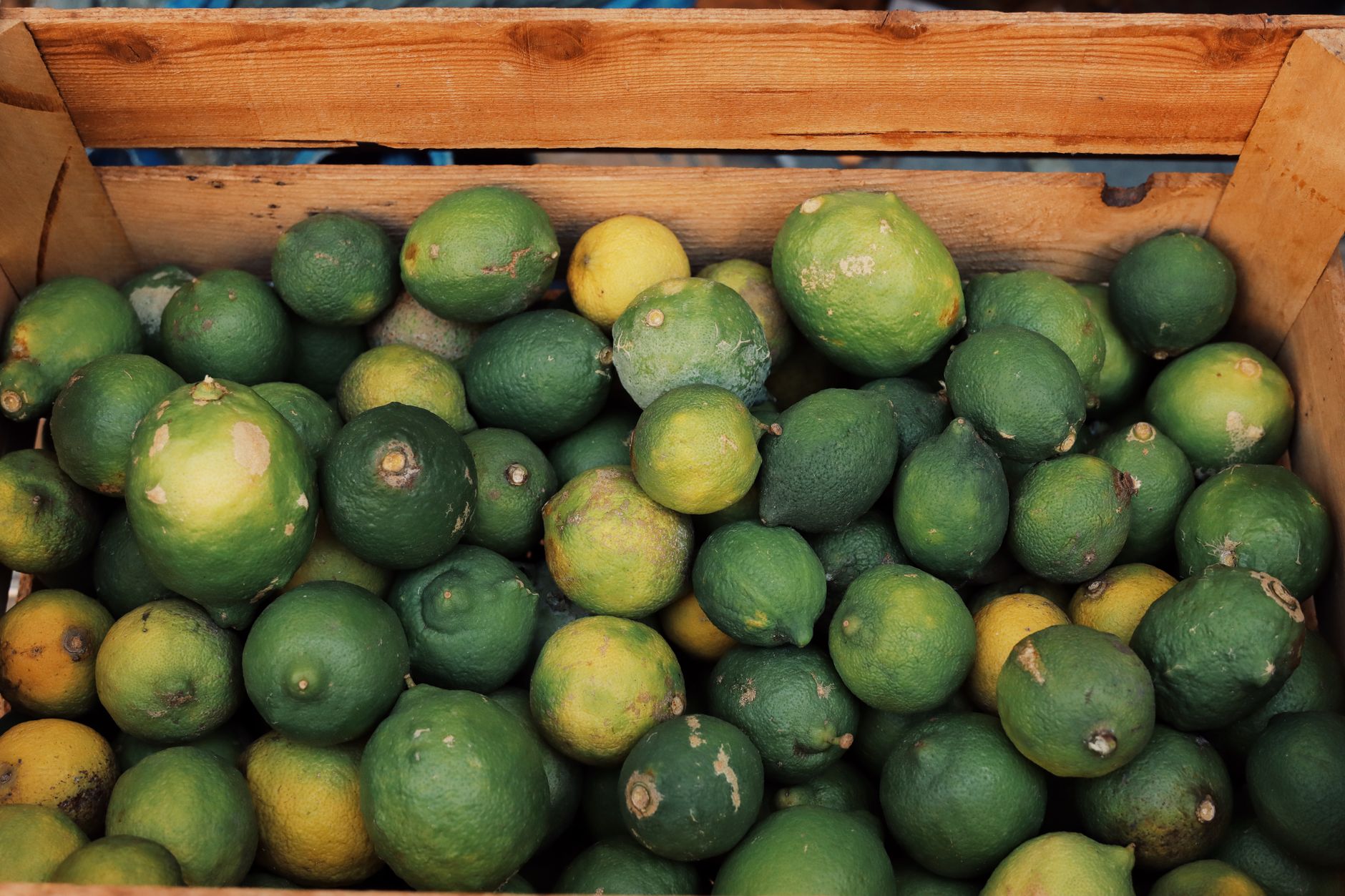
Capo is the underrated one. It runs along Via Sant’Agostino in a long covered corridor and feels more like a functional neighbourhood market than either of the others. The food vendors at the inner end sell arancine, stigghiola (grilled intestines wrapped around spring onions), and sfincione - a thick, spongy Sicilian pizza topped with onion, anchovies, and breadcrumbs - that is nothing like what you’d expect from the word pizza. It is better.
The practical point is this: Palermo rewards eating before noon. The best stigghiola is gone by early afternoon. The sfincione is freshest in the morning, when the vendors pull it from trays that have just come out of the oven. Arriving at a market stall at 2pm and finding the good stuff picked over is a common mistake first-time visitors make, partly because they’ve been told that Sicily runs on late schedules. It does, for dinner. Not for markets.
There is also no particular neighbourhood you need to stay in to access this. Ballarò and Capo are both walkable from the historic centre, and Palermo’s centro storico is compact enough that orientation takes about half a day to establish. The street food here is not a district or a district within a district. It is the city operating as it always has - loudly, cheaply, and without much interest in explaining itself.