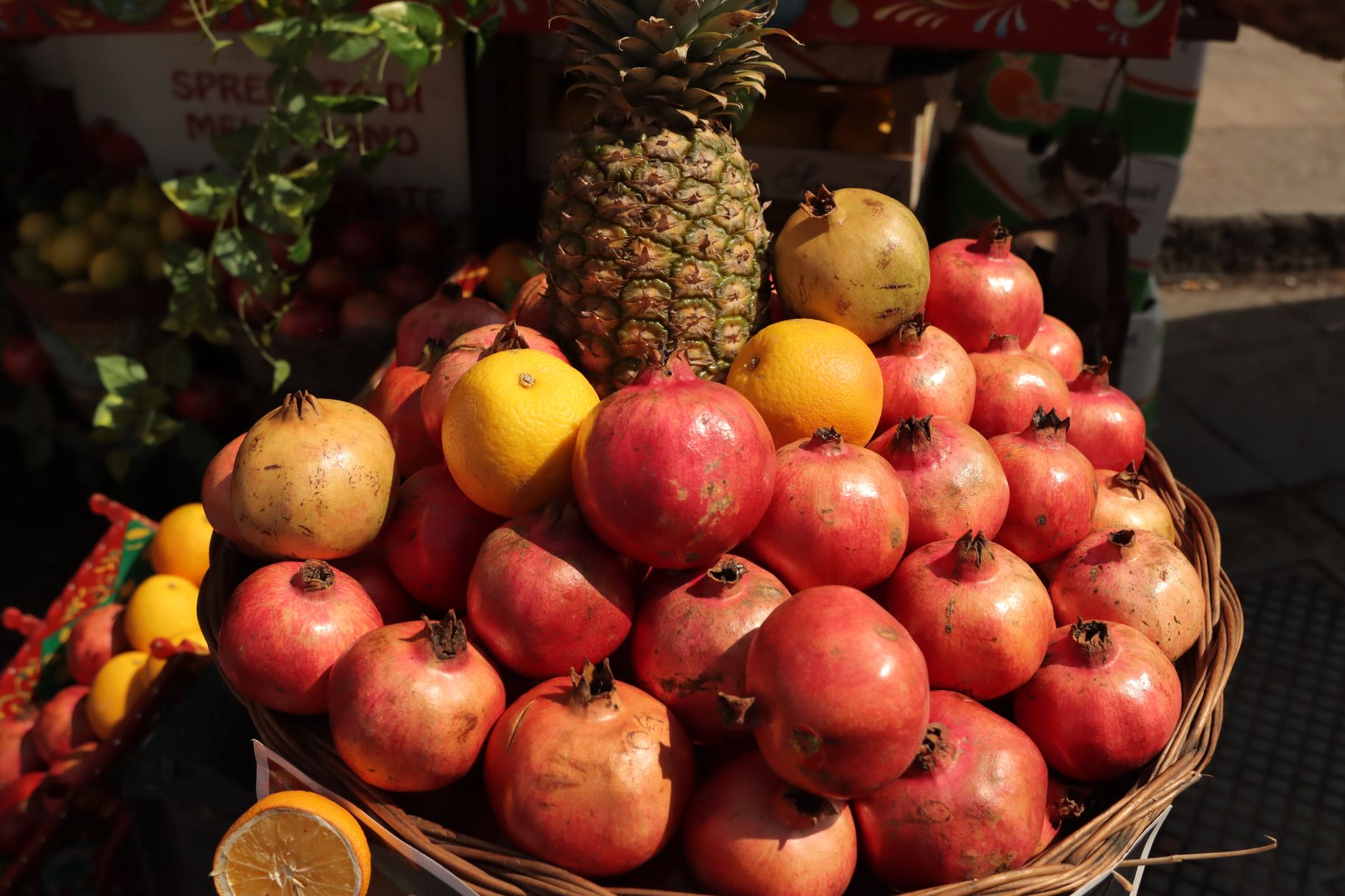
Most food cities have a dish they’re known for. Palermo has an entire eating culture built around not sitting down. The distinction matters more than it sounds.
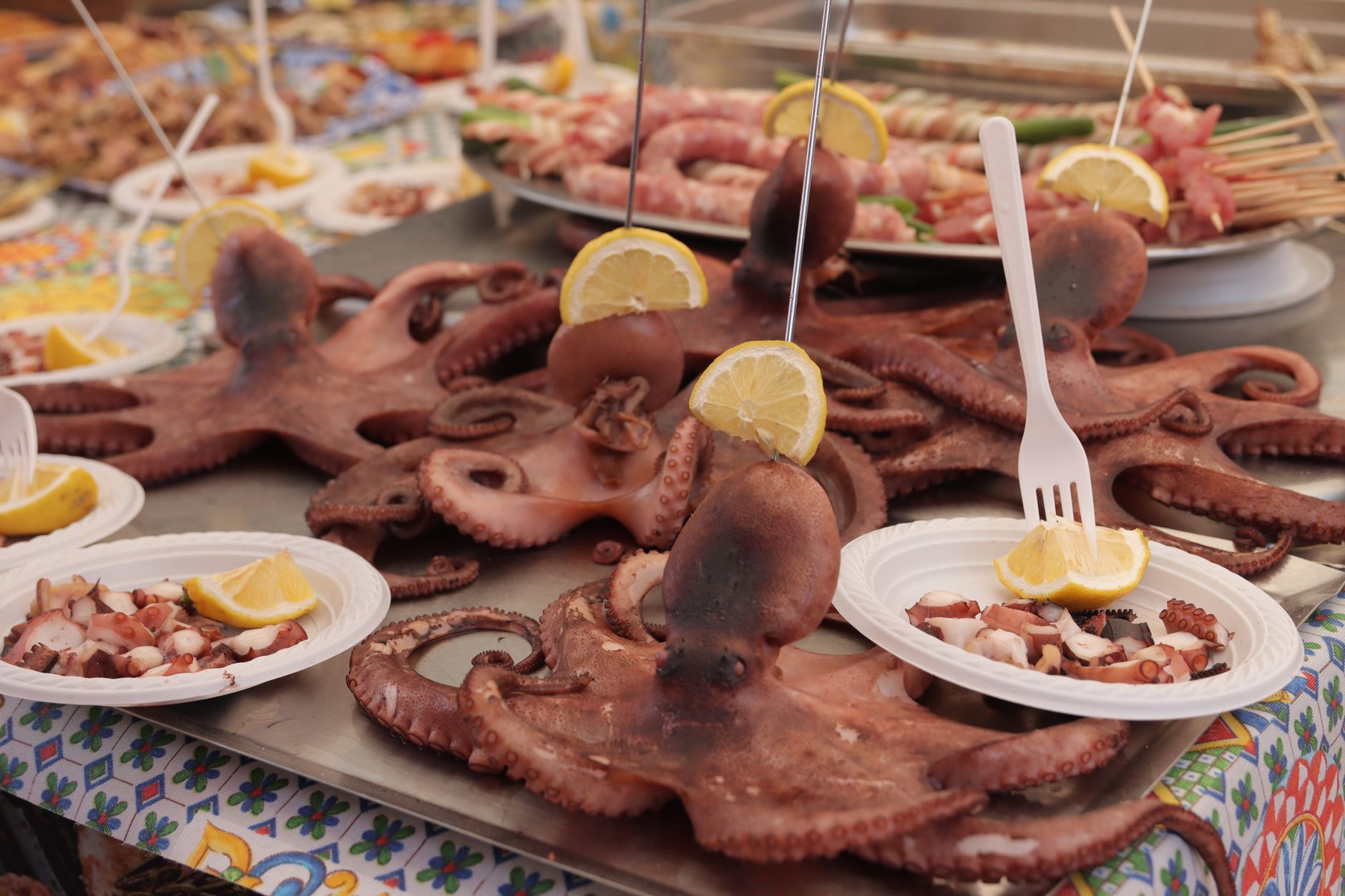
The Ballarò and Vucciria markets are the obvious starting points, and yes, they are genuinely worth your time - not because they’re picturesque (they are), but because they’re still functional neighbourhood markets where locals shop and eat alongside tourists. That’s increasingly rare in Mediterranean cities. What you’ll find there isn’t curated for outsiders: offal sandwiches, fried cartilage, boiled octopus eaten standing over a plastic tray. This is not adventurous eating. It’s just Tuesday.
The Thing About Stigghiola
Stigghiola - lamb or goat intestines grilled over charcoal - is the food that sorts visitors into two camps very quickly. It smells like a fire in a butcher’s shop, which is essentially what it is. The flavour is sharp, slightly charred, nothing like the delicate Sicilian cooking that fills restaurant menus. It’s street food in the oldest sense: cheap, filling, produced and consumed in the same ten square metres.
You’ll find it at the markets and from mobile vendors who appear mostly in the evenings. There’s no app that reliably tracks them. You follow smoke and noise.
Timing Is the Only Strategy That Works
Palermo’s street food rhythm doesn’t follow tourist hours. The serious eating at Ballarò starts before 10am, when the market is at its most chaotic and the panelle (fried chickpea fritters) come out of the oil fresh. By early afternoon, the best of it is gone or cooling under a cloth. Returning at dusk for the Vucciria - which functions more as a social gathering than a market by that point - is a different experience entirely: louder, drunker, fewer vendors selling food.
The practical point: if you plan to eat seriously from the street, treat it like breakfast and lunch, not dinner.
What the Restaurants Aren’t Telling You
Palermo has excellent sit-down restaurants. Some of them are exceptional. But the city has spent centuries developing a parallel food culture that exists entirely outside those spaces, and eating only in restaurants here is like going to Naples and skipping the pizza fritta because you prefer a table.
The street food isn’t a warm-up act. It’s the thing itself - and the fact that it remains genuinely local, unglamourised, and slightly chaotic is exactly why it’s worth orienting your days around it.