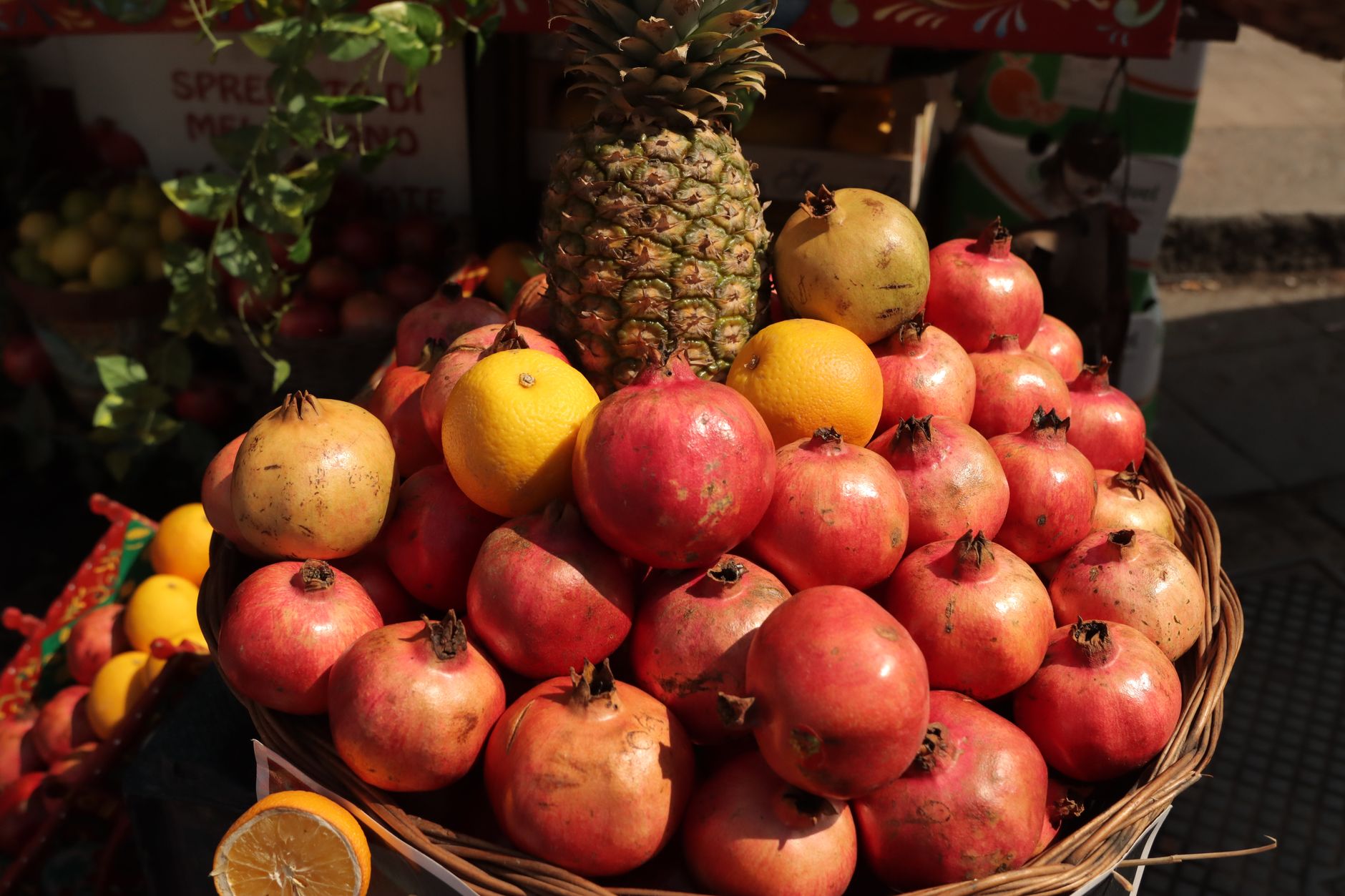
The sit-down restaurant is not where Palermo feeds itself. That happens at the fryers, the carts, the folding tables wedged into alley corners around the Ballarò and Vucciria markets - and it happens fast, standing up, with no napkin that could reasonably handle the situation.
Street food in Palermo is not a tourist amenity bolted onto the city’s edges. It’s the actual food culture of the working-class neighbourhoods that have run these markets for centuries. The dishes reflect that directly. Pane ca meusa - a bread roll stuffed with beef spleen and lung, dressed with lemon or ricotta - is not a novelty item designed to shock visitors. It’s lunch. The offal tradition here connects to the city’s Arab and Norman past and to the economic reality of using every part of the animal. You’ll find it most reliably from carts near the Vucciria, particularly around Via Argenteria.
What to Order and Where Not to Overthink It
Arancine (spelled with the feminine ending in Palermo - a point locals care about) are rice balls filled with ragù or butter and ham, fried to order. They’re bigger here than you’ll find elsewhere in Sicily, and heavier. One is lunch. Sfincione - a thick, soft focaccia topped with tomato, onion, anchovies, and breadcrumbs - gets sold from trays balanced on vendors’ heads or from wheeled carts that announce themselves with a recorded call through a small speaker. It’s peculiar and worth chasing.
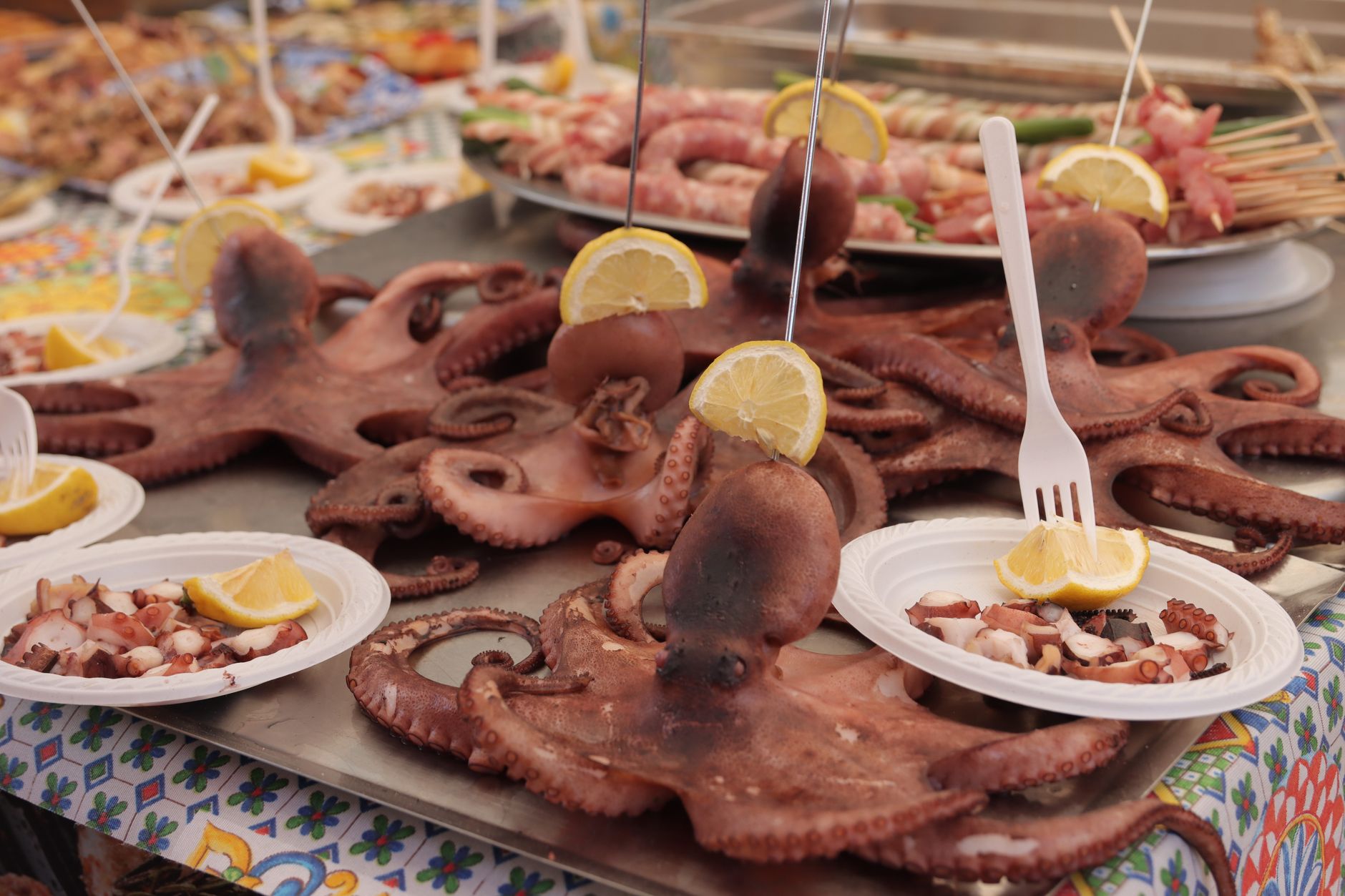
Ballarò, in the Albergheria district, is the market most embedded in daily neighbourhood life. It runs every morning except Sunday, and it gets genuinely crowded by 9am with people actually shopping for dinner, not photographing it.
Timing Matters More Than the Map
The Vucciria market, which was historically Palermo’s main food market, is now quieter during the day and transforms into a nightlife street from around 9pm. Trying to eat traditional street food there at 8pm on a Tuesday will mostly result in standing around waiting for things to open. Ballarò is the morning and midday option; Vucciria is late.
The food at these markets is cheap by any standard - a few euros for most items. That’s not because it’s simple. It’s because it always has been. The price point belongs to the neighbourhood, not to a calculation about what tourists will pay.